As the war enters its sixth week, simulations of two U.S. aircraft crashes within Iranian territory, alongside a helicopter being hit during rescue operations, reveal an increasing complexity in the operational environment. These simulations underscore the magnitude of the challenges faced by Washington in penetrating deep into Iran, influenced by both the rugged geography and the density and diversity of air defense systems.
Iran spans over 1.6 million square kilometers with rugged terrain that serves as a natural fortress, which Tehran has leveraged to enhance its military capabilities. This geography has posed significant challenges to U.S. plans, particularly due to the restrictions it imposes on surveillance and targeting.
Details of the Incident
At the heart of this terrain are the Zagros Mountains, which stretch across several provinces from West Azerbaijan to Hormozgan, where their intensity diminishes somewhat without losing their operational complexity. At the foothills of the Zagros, in an area between Khuzestan and Boyer-Ahmad provinces, initial estimates indicate the crash of a U.S. fighter jet, the F-15E Strike Eagle.
This aircraft is an upgraded multi-role version, carrying a crew of two, capable of conducting deep penetration missions in various weather conditions, as well as air-to-air and ground attack missions. It can also carry tactical nuclear weapons and heavy munitions.
Regarding the circumstances of the incident, the reasons remain unclear; however, analysis of circulated images of parts believed to belong to the aircraft led the War Zone website to suggest its affiliation with the 494th Fighter Squadron based at Lakenheath Air Base in the UK, based on a distinctive red stripe visible on the tail, indicating the aircraft's participation in the Epic Fury operation.
As images circulated, videos emerged documenting search and rescue operations carried out by a C-130 aircraft accompanied by Black Hawk helicopters. These aircraft were flying at low altitudes to scour the area for the crew of the downed plane.
During these operations, one of the Black Hawk helicopters was hit due to the activation of Iranian air defenses. This helicopter is known for its high capabilities in tactical transport and medical evacuation, in addition to conducting search and rescue missions, thanks to its flexible design and ability to operate in difficult terrains.
Background & Context
In a simultaneous development, over 800 kilometers from the site of the Strike Eagle crash, off the southern coast of Iran, Washington announced the crash of a second fighter jet, the 10-A Thunderbolt. Iranian sources reported that air defense systems managed to down the aircraft near the Strait of Hormuz, although all details have not yet been clarified.
The Thunderbolt is a single-seat attack aircraft specifically designed for close air support and targeting tanks and armored vehicles. This aircraft features a rotary cannon of 30 millimeters, capable of firing approximately 4,000 rounds per minute, leading it to be described as a "gun with an aircraft."
The aircraft is also noted for its high durability and survivability despite damage, thanks to a titanium-armored cockpit, which was reflected in an American announcement that the pilot managed to continue flying after the aircraft was hit and safely exit Iranian airspace.
Impact & Consequences
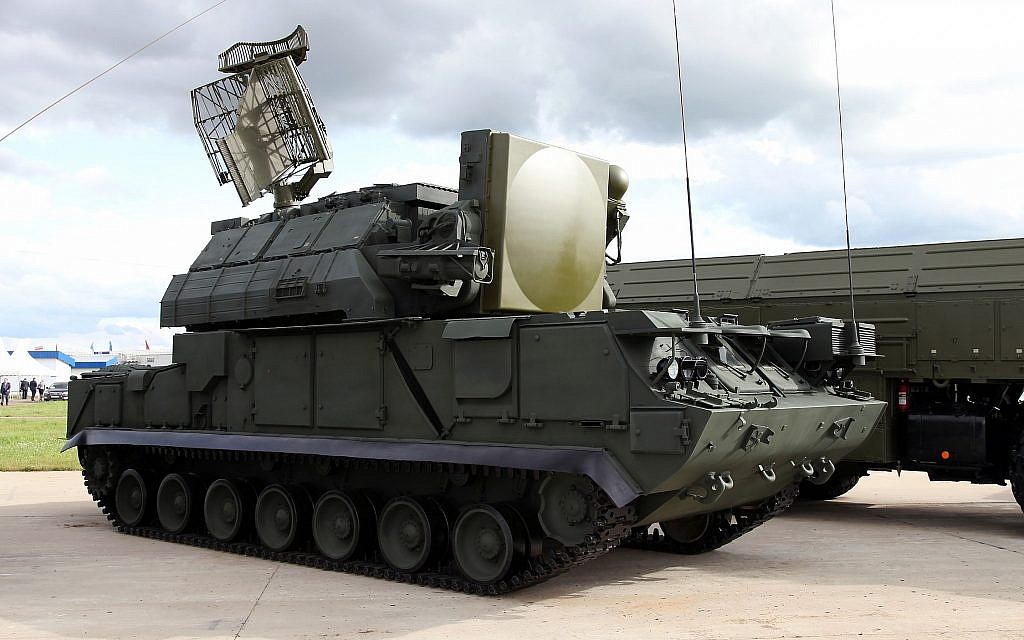
In analyzing Iranian defensive capabilities, the report raises possibilities regarding the systems that may have been used, including Chinese surface-to-air missile systems from the HQ-9 family or Russian shoulder-fired systems of the Verba type.
These events raise fundamental questions about the complexity of disrupting Iranian air and missile defense systems and the extent to which any force can completely neutralize them. This scenario also opens the door to a larger question: does what occurred represent a realistic model of the challenges the United States might face if it were to undertake a ground operation within Iran?
Regional Significance
These events are indicative of rising tensions in the region, reflecting Iran's ability to effectively defend its airspace. They also highlight the importance of strengthening the defensive capabilities of neighboring countries amid potential threats from U.S. military operations.
In conclusion, recent events serve as evidence of the complexities of the conflict in the region and the challenges that major powers may face in conducting military operations amidst rugged terrain and advanced air defenses.