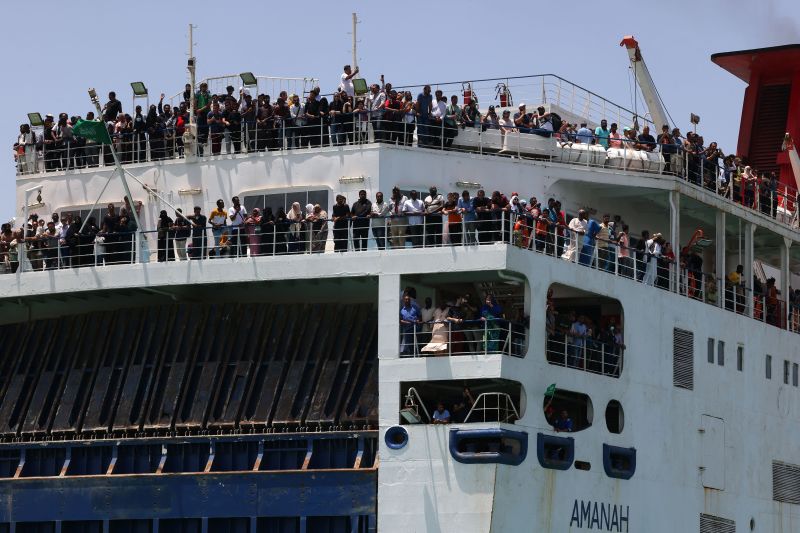
In light of the escalating conflict in the Middle East, the Singapore Air Force executed evacuation operations for hundreds of its citizens and their families from Saudi Arabia, completing these missions in a record time of less than 48 hours from their activation. This action was prompted by the suspension of civilian flights from Saudi Arabia, making military evacuation operations a pressing necessity.
The operations involved evacuating citizens from the cities of Riyadh and Jeddah, where the aircrews faced significant challenges, including the disruption of GPS signals in conflict zones, increasing the risks associated with the flights. Nevertheless, the spirit of duty and belonging was the primary motivation that helped the crew overcome these challenges.
Details of the Operation
Major Simion Chen Jian Wei, the commander of one of the aircraft, expressed concerns about the possibility of the plane being targeted by missiles or projectiles, particularly amidst reports of reciprocal attacks between countries in the region. However, he confirmed that the crew conducted a thorough analysis of the situation and utilized available commercial flight paths to ensure the safety of the missions.
The operations required over 16,000 nautical miles, with the crew working for more than 24 hours on each flight. Despite the exhaustion, the primary motivation was to return citizens to their families, which the crew regarded as a national duty.
Background & Context
These operations come at a sensitive time, as the region is experiencing heightened tensions due to armed conflicts. Since the onset of the war in Iran, there have been increasing concerns regarding the safety of citizens in Gulf countries, prompting many nations to take urgent measures to evacuate their nationals.
Historically, the region has witnessed numerous crises that have led to similar evacuation operations, such as those from Iraq and Afghanistan. These operations reflect the ongoing challenges faced by nations in protecting their citizens during times of crisis.
Impact & Consequences
These operations serve as a testament to the Singapore Air Force's ability to respond swiftly and effectively in critical times. They also highlight the importance of collaboration among various government agencies, including the Ministry of Foreign Affairs, to ensure the safety of citizens.
The success of these operations may enhance citizens' confidence in their government's ability to protect them, potentially influencing future policies related to security and defense.
Regional Significance
These events serve as a reminder of the importance of international cooperation in addressing humanitarian crises. While many Arab countries are suffering from conflicts, these evacuation operations underscore the need for effective strategies to protect citizens abroad.
Furthermore, these operations may impact relations between countries, reflecting the extent to which nations are willing to cooperate during crises, which could contribute to fostering peace and stability in the region.
In conclusion, the evacuation operations carried out by the Singapore Air Force reflect the government's commitment to protecting its citizens and underscore the importance of rapid and effective responses to global challenges.