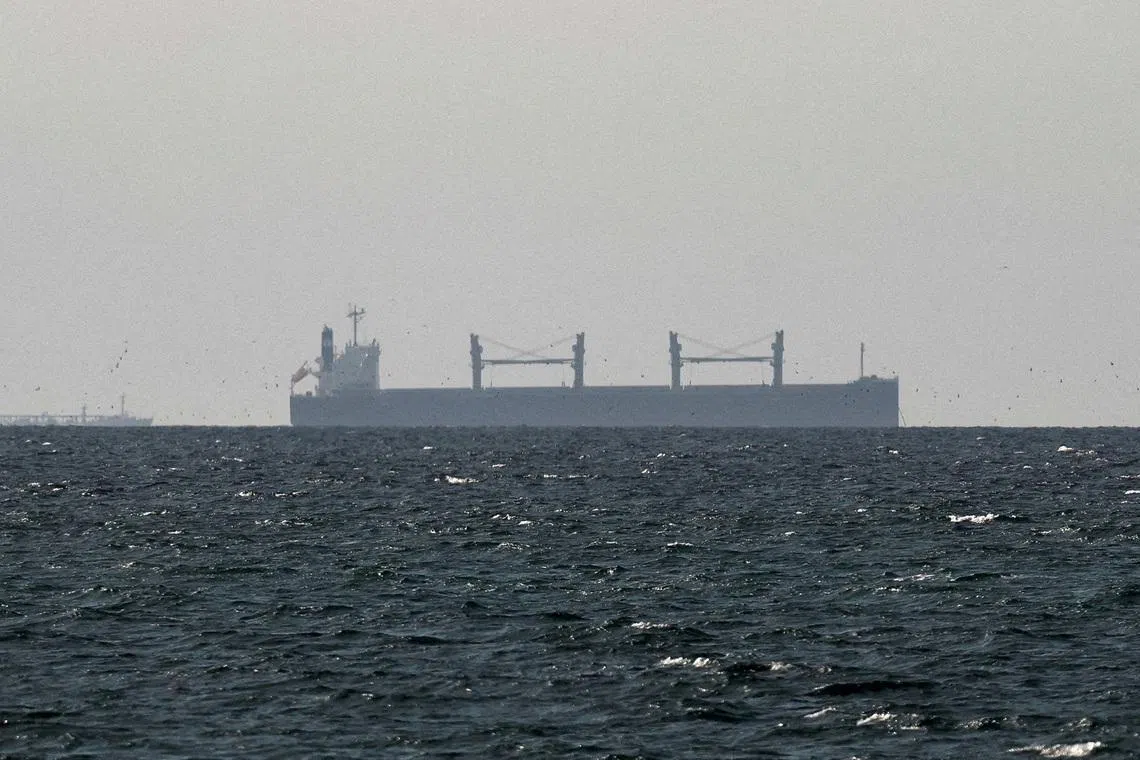
In a significant statement, Singapore's Foreign Minister, Vivian Balakrishnan, confirmed that his country will not negotiate on safe passage through the Strait of Hormuz, stressing that this passage is considered a fundamental right rather than a privilege. These remarks come at a time when tensions in the region are escalating, underscoring the importance of freedom of navigation in this vital waterway.
The Strait of Hormuz is one of the most crucial maritime passages in the world, through which approximately 20% of the world's total oil supply flows. This strait represents a strategic point for many countries, especially those that rely on oil as a primary energy source. The Singaporean statements have elicited varied reactions within political and diplomatic circles.
Details of the Statement
During a press conference, Balakrishnan clarified that Singapore's position reflects its commitment to the principles of international law and freedom of navigation. He pointed out that any attempt to pressure countries into negotiating their passage through the strait would undermine these fundamental principles. He also affirmed that Singapore will continue to support international efforts to ensure the safety of navigation in this sensitive region.
These statements come at a time when the region is witnessing an escalation of tensions between Iran and the United States, with both countries exchanging accusations regarding threats to navigation in the Strait of Hormuz. Recent weeks have seen several incidents involving commercial vessels, increasing international concern over the safety of passage through this corridor.
Background & Context
Historically, the Strait of Hormuz has been the scene of numerous conflicts and disputes, with recurring tensions between major powers. In the 1980s, during the Iran-Iraq War, the strait was the site of numerous military operations. Since then, the issue of freedom of navigation in this strait has become a focal point of international discussions.
Singapore is one of the countries that heavily relies on maritime trade, with its ports serving as major transit points for goods and oil. Therefore, its stance on freedom of navigation in the Strait of Hormuz reflects its economic and strategic interests.
Impact & Consequences
Singapore's statements may bolster the position of other countries advocating for freedom of navigation in the Strait of Hormuz. These remarks could provoke reactions from nations seeking to assert control over this passage. At the same time, such positions may lead to increased cooperation among countries that share a common vision regarding the importance of maritime freedom.
On the other hand, the rising tensions in the region could have negative effects on oil prices and global markets. Any escalation in the conflict may heighten concerns over oil supplies, which could adversely impact the global economy.
Regional Significance
The Arab countries neighboring the Strait of Hormuz are among the most affected by the tensions in this area. Many of these nations depend on their oil exports that pass through the strait. Consequently, any threat to freedom of navigation could directly impact the economies of these countries.
Moreover, Singapore's position may encourage Arab nations to enhance their cooperation in maritime security, potentially contributing to greater stability in the region.
In conclusion, Singapore's assertion of not negotiating safe passage through the Strait of Hormuz reflects the significance of this vital corridor in international politics. As tensions in the region persist, the question remains about how these positions will affect the future of maritime navigation and regional peace.