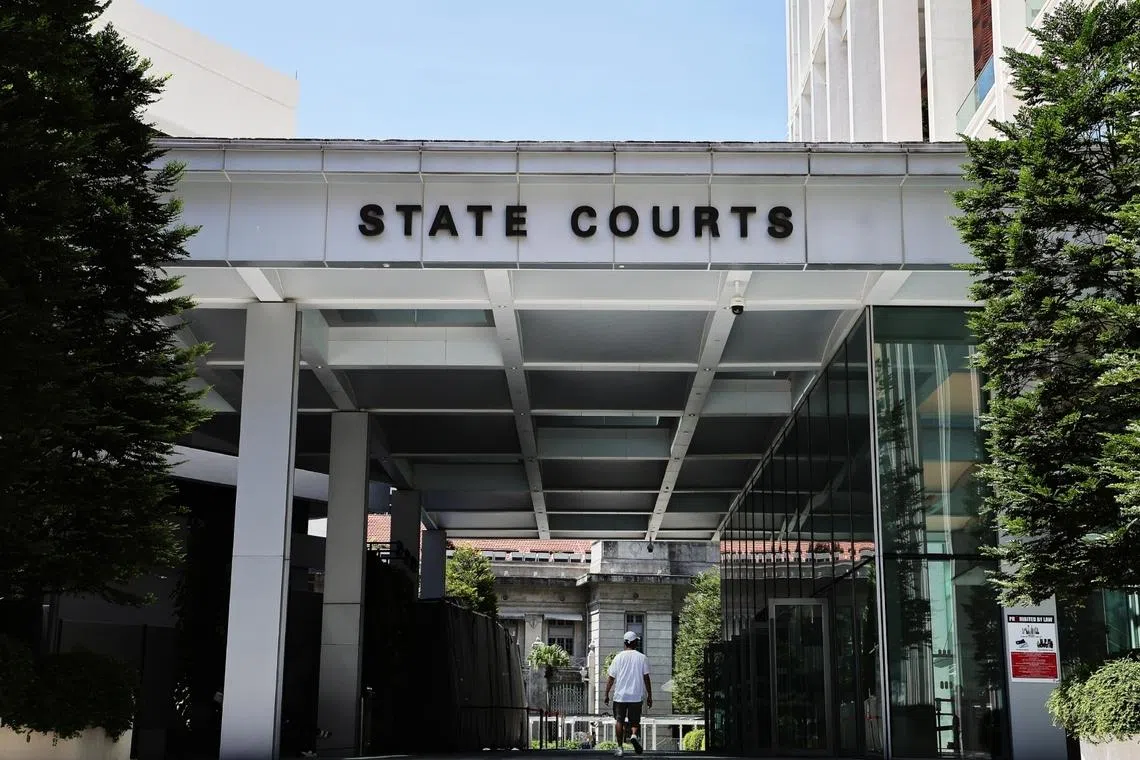
A Singapore court has sentenced 42-year-old teacher Geraldine Quek Yee Ling to 18 months in prison after she became embroiled in illegal loan issues. She was convicted of sending personal photos to an illegal lender due to a debt amounting to $600, sparking widespread debate about the impact of illegal loans on individuals.
The details of the case trace back to a failed investment in cryptocurrencies, which left the teacher in a precarious financial situation. Instead of seeking legal solutions, she resorted to an illegal lender, leading to a series of events that culminated in her conviction.
Details of the Incident
In court, it was revealed that Quek was under significant financial pressure after losing money in a cryptocurrency investment. She turned to an illegal lender for help in repaying her debts. However, this decision proved unwise, as she was subjected to extortion by the lender who demanded personal photos as part of the agreement.
During the trial, evidence was presented showing that Quek had sent personal photos to the lender as a means of coercion to repay her debts. The court deemed this action a violation of applicable laws, resulting in her prison sentence.
Background & Context
Illegal loan cases are a growing phenomenon in many countries, including Singapore. Individuals often turn to these loans due to financial pressures or the inability to secure loans from official financial institutions. This phenomenon leads to a series of social and psychological problems, as individuals find themselves trapped in a cycle of debt and extortion.
Historically, many countries have witnessed similar cases where illegal loans have been used as a means to exploit individuals. With the increasing popularity of cryptocurrencies, it has become easier for individuals to engage in unwise investments, raising the likelihood of falling into the trap of illegal loans.
Impact & Consequences
This case exemplifies the risks individuals face when dealing with illegal loans. Such loans can lead to a loss of control over one's financial situation, adversely affecting personal and professional lives.
Additionally, this case raises questions about how to protect individuals from the dangers of illegal loans and the necessity of enhancing financial literacy among citizens. Governments and financial institutions must work to provide safe and suitable financing options for individuals to avoid falling into the trap of illegal loans.
Regional Significance
Illegal loan issues are also a significant concern in the Arab region, where many individuals face financial pressures due to economic crises. Arab countries must enhance financial awareness and provide support for individuals facing financial difficulties to prevent them from falling into the trap of illegal loans.
In conclusion, this case highlights the importance of financial literacy and caution when dealing with loans. Individuals should seek legal and safe financing options and avoid falling into the trap of illegal loans that could lead to severe consequences.