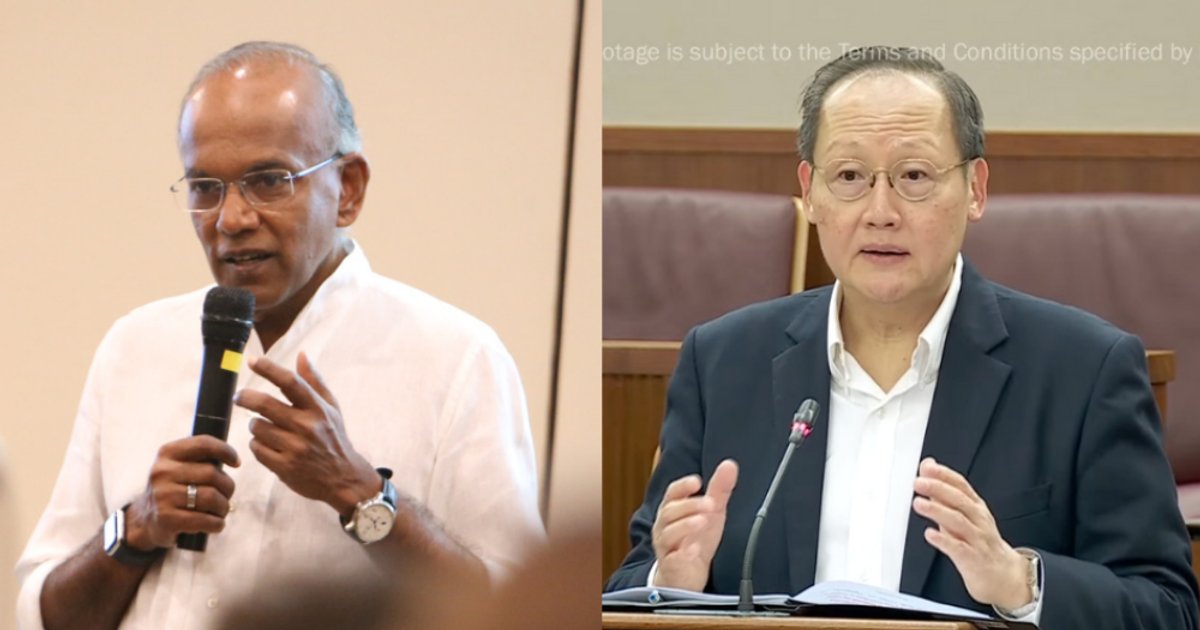
In the initial session of a defamation trial, Singapore's Interior Minister K. Shanmugam accused the American agency Bloomberg of attempting to publish details regarding the sale of his private property, indicating that the article published by the agency had no relation to public interest. This accusation was made during a court hearing where the minister presented his testimony regarding the article that discussed real estate transactions in Singapore.
During the session, Shanmugam expressed doubts about Bloomberg's motives when they requested his comments on the sale of his property in the Astrid Hill area. He pointed out that internal emails, which the court requested to review, showed that Bloomberg was seeking to publish details about the sale transaction.
Details of the Event
The trial revolves around an article published by Bloomberg in December 2024, written by journalist Lou De Wei, titled "Luxury Property Deals in Singapore Shrouded in Increasing Secrecy." The minister accuses Bloomberg of defaming him by implying that he exploited a lack of oversight in purchasing properties in a non-transparent manner.
A large audience gathered in the courtroom to follow the session, where Minister Shanmugam was represented by his lawyer Davinder Singh, while Bloomberg was represented by lawyers Srinivasan Narayanan and Chilva Retnam Rajah. After presenting brief opening statements, Shanmugam began to give his testimony.
Background & Context
Singapore is considered one of the most active real estate markets in the world, with a significant demand for luxury property deals. As elections approach, any news related to ministers or public figures becomes more sensitive, complicating matters in such cases.
Historically, there has been controversy surrounding the transparency of real estate transactions in Singapore, with some believing that more oversight is needed regarding how these transactions are conducted. In this context, this legal dispute highlights the tension between press freedom and individual rights.
Impact & Consequences
This case could affect Bloomberg's reputation as a media outlet, as many question its commitment to ethical standards in news coverage. If it is proven that Bloomberg sought to publish misleading information, this could lead to a loss of public trust in its reports.
Furthermore, this case may contribute to enhancing the discussion about the limits of press freedom, especially when it comes to sensitive issues involving public figures. It could have long-term implications on how media handles news related to politicians.
Regional Significance
Press freedom is a critical issue in the Arab world, where many countries face challenges in this area. This case in Singapore may inspire Arab journalists to review their practices and reaffirm their commitment to ethical standards in news coverage.
Moreover, the discussion about transparency in real estate transactions could resonate in Arab countries, where some real estate markets face similar challenges. It is essential for journalists to learn from this case to promote responsible journalism practices.