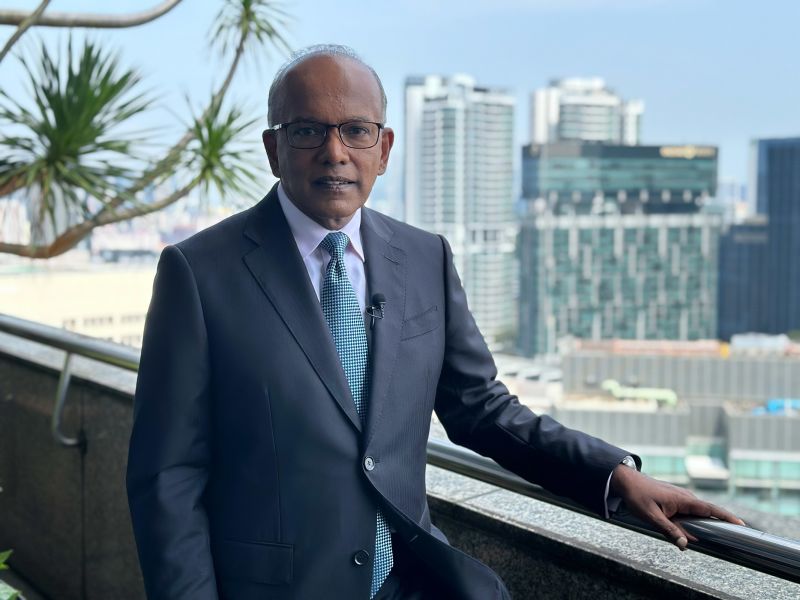
In a significant legal development, Singapore's Interior Minister K. Shanmugam accused the Bloomberg group of misleading his press secretary about an article he considers defamatory during a hearing on Wednesday. The minister highlighted his fundamental disagreement with Bloomberg's defense, which denied targeting him in the article.
The case revolves around an article published in December 2024 discussing real estate deals in Singapore, where both Shanmugam and Minister of Manpower Tan See Leng were mentioned. The two ministers believe the article misrepresents them by implying they exploited a lack of oversight in real estate transactions.
Details of the Case
During questioning by Bloomberg's attorney, Srinivasan Narayanan, Shanmugam was pressed to clarify how Bloomberg's employees misled him. The minister asserted that the employees were not honest with their management regarding the nature of the article, raising questions about their intentions. He also pointed out that the failure to retract the article after government intervention serves as evidence of their malicious behavior.
In the session, Shanmugam presented internal emails from Bloomberg, explaining that his press secretary contacted Bloomberg in October 2024 to inquire about the article, where she was told it was not directed at him. However, the minister deemed these statements false based on what he found in the emails.
Background & Context
This case is part of a broader discussion about press freedom and its limits, especially concerning government officials. Singapore has witnessed recent controversies regarding how the media handles news related to politicians, with journalists facing significant challenges in covering sensitive issues.
Historically, Singapore has been known for its stringent stance on freedom of expression, leading to criticisms from human rights organizations. The current case stands out as evidence of the tension between the government and the media, particularly under laws governing misleading information.
Impact & Consequences
If Shanmugam's allegations are proven, it could have significant repercussions for Bloomberg's reputation and raise questions about how the media handles sensitive information. It may also affect how the media covers politicians in Singapore, potentially leading to increased self-censorship. Furthermore, this case could influence the relationship between governments and the media in other countries, as it may set a precedent for addressing defamation claims.
Regional Significance
This case highlights the ongoing tension between press freedom and individual rights, prompting questions about how the media should handle sensitive information. It serves as a reminder of the delicate balance that must be maintained in democratic societies where freedom of the press is a fundamental principle.
In conclusion, the outcome of this case could shape the future of media practices in Singapore and beyond, influencing how journalists report on political figures and the potential consequences of their reporting.