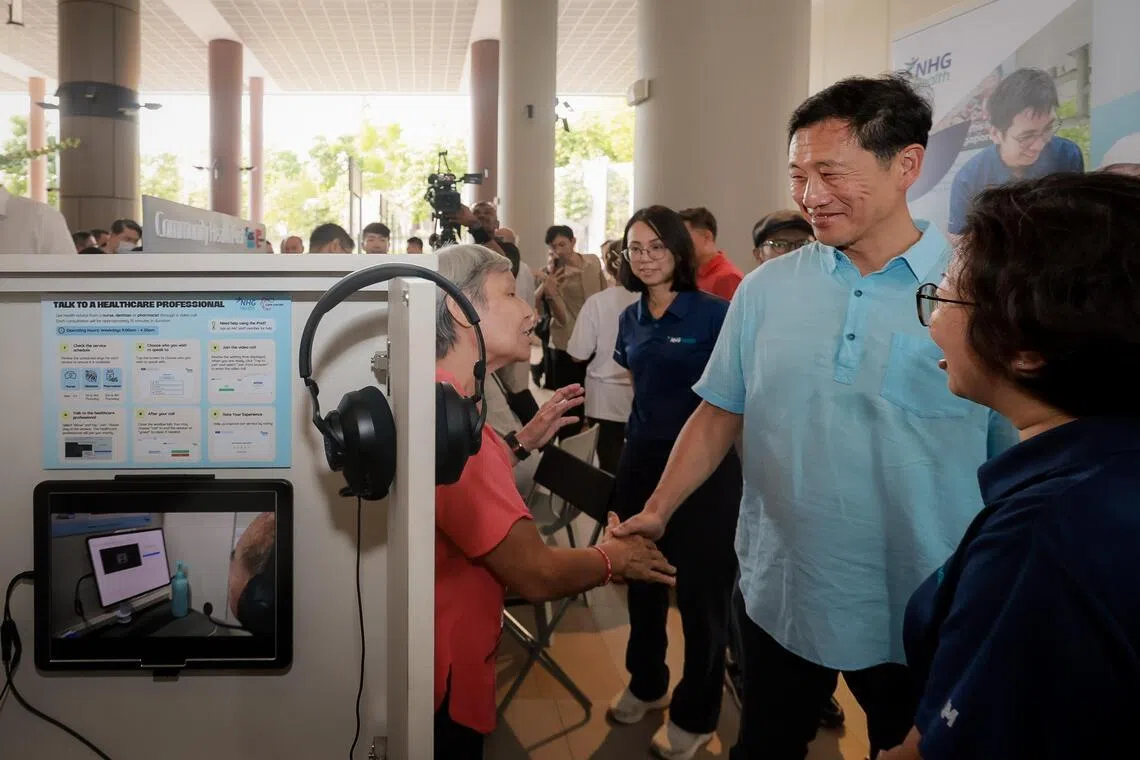
Singapore has announced a new initiative worth $37.9 million aimed at enhancing the health of seniors through the use of modern technology. This initiative includes the development of tools based on
This step comes as part of Singapore's efforts to address the challenges posed by an aging population, with the number of individuals over 65 years expected to double by 2030. The initiative aims to provide innovative solutions that help seniors live independently and healthily for longer.
Details of the Initiative
The initiative includes several projects, among them the development of smart applications that can assist seniors in monitoring their health and managing their medications. AI technologies will also be utilized to analyze health data and provide personalized recommendations to users. This system aims to reduce the number of fractures and injuries resulting from falls, which are common issues among seniors.
Additionally, the government will provide workshops and training courses to teach seniors how to use these modern technologies, facilitating their adaptation to technological changes and enhancing their independence.
Background & Context
Singapore is considered one of the leading countries in healthcare, having taken serious steps to address the challenges of an aging population. In recent years, the government has launched several initiatives aimed at improving the quality of life for seniors, including home care programs and psychological and social support.
Historically, Singapore has witnessed a significant demographic shift, with the proportion of seniors rising markedly. According to statistics, the number of individuals over 65 years currently represents about 15% of the total population, and this figure is expected to rise to 25% by 2030.
Impact & Consequences
This initiative could contribute to improving the quality of life for seniors and reducing the burden on the healthcare system by decreasing the number of emergency cases resulting from fractures and injuries. Additionally, the use of technology in healthcare could open new avenues for innovation in this field, encouraging more companies to invest in innovative health solutions.
Furthermore, this initiative could serve as a model for other countries facing similar challenges, promoting international cooperation in the development of healthcare technologies.
Regional Significance
Many Arab countries face similar challenges due to the increasing percentage of seniors in their communities. Singapore's experience could inspire Arab nations to adopt similar technologies in healthcare, contributing to improving the quality of life for seniors in the region.
These initiatives could also help raise awareness about the importance of using technology in healthcare, prompting Arab governments to invest in this field and develop similar programs that meet the needs of seniors.
In conclusion, Singapore's initiative represents an important step towards improving the lives of seniors and reflects the significance of technology in healthcare. By investing in innovation, countries can ensure their citizens lead healthy and independent lives.