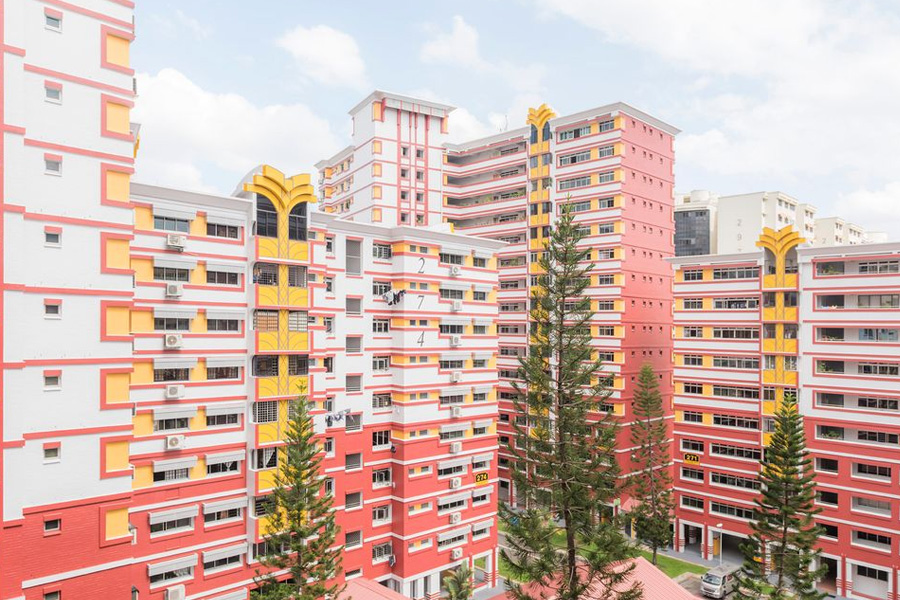
Singapore has unveiled plans to construct the tallest public housing project in its history, with several buildings in the Pearl’s Hill area expected to rise over 60 stories. This announcement was made by Minister for National Development Chan Chun Sing, who confirmed that the Housing and Development Board (HDB) will seek more opportunities to build higher apartments across the country.
The need for vertical housing projects in Singapore is growing due to land scarcity, prompting urban planners to consider more intensive land use through vertical construction.
Details of the Project
The Pearl’s Hill project is part of the Urban Development 2025 plan, which focuses on the concept of "vertical zoning," integrating various land uses within the same building. The new projects are expected to feature light industrial uses on the lower floors, followed by commercial spaces, and residential units on the upper levels.
It is noteworthy that Singapore is not the only city moving towards vertical construction; many major cities worldwide, such as New York and Malaysia, have embraced this trend, with residential buildings reaching up to 96 stories.
Background & Context
Historically, Singapore has relied on mid-rise housing projects, with average building heights ranging from 10 to 40 stories. However, the increasing population and rising housing demand have compelled the government to explore new options.
Studies indicate that vertical construction can lead to challenges, such as difficulties in evacuating buildings during emergencies, as seen in the Grenfell fire in London, which resulted in 72 fatalities. These incidents highlight the importance of establishing stringent fire safety standards for high-rise buildings.
Impact & Consequences
New vertical housing projects require consideration of how to enhance the quality of life for residents. An increased population within a single building may lead to feelings of congestion, necessitating the provision of facilities such as high-speed elevators and regular maintenance to ensure residents' comfort.
Moreover, modern designs should incorporate green spaces and social amenities to foster community ties among residents. For instance, the Pinnacle@Duxton project features a sky bridge with running tracks and children's play areas, enhancing social interaction among residents.
Regional Significance
Singapore's experience with vertical construction could serve as a model for Arab countries facing land shortages, such as Egypt and Jordan. Vertical housing projects could help meet the increasing housing needs while considering social and environmental aspects.
In conclusion, building vertical housing projects in Singapore, and elsewhere, requires careful planning to ensure these developments are sustainable and livable. The focus should be on creating environments that enhance social connections and provide a high quality of life for residents.