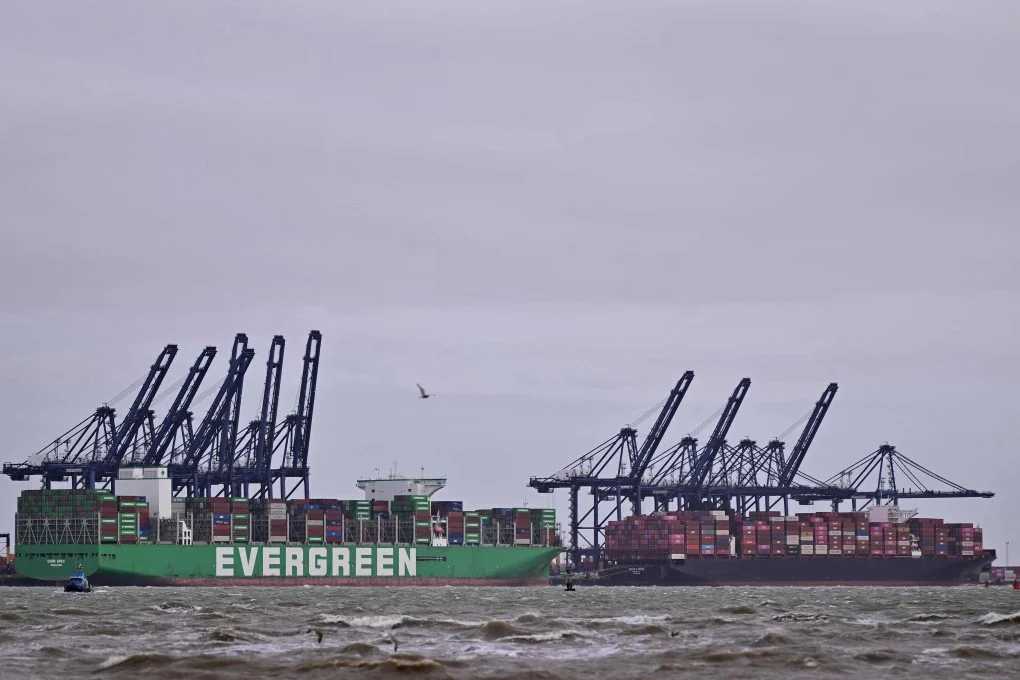
In a move reflecting Singapore's commitment to international law principles, Foreign Minister Vivian Balakrishnan announced that the country will not engage in negotiations regarding the guarantee of safe passage for vessels through the Hormuz Strait. Balakrishnan clarified that the right of passage through these waterways is a fundamental right and not a privilege that can be bargained.
The minister's statements were made during a parliamentary session on Tuesday, where MP Fadhli Fawzi raised a question about whether Singapore would consider negotiating with Iran or paying fees for its ships to transit. Balakrishnan affirmed that any attempt to negotiate in this context would undermine the core principles of international law.
Details of the Event
The remarks from Singapore's Foreign Minister serve as a reaffirmation of the country's steadfast position in supporting freedom of navigation in international waters. This stance comes at a time when the Hormuz Strait is experiencing increasing tensions, as it is one of the world's most critical waterways, through which approximately 20% of the world's total oil passes.
Concerns are growing over the escalation of tensions in the region, especially with the rise in military activities in the Gulf. Many nations have expressed their worries about any threats that could impact freedom of navigation in this vital strait.
Background & Context
The Hormuz Strait, located between Iran and Oman, is a crucial transit point for oil and natural gas. Historically, the strait has witnessed numerous political and military crises, making it a focal point for various regional and international disputes. In recent years, tensions between Iran and the United States have escalated, affecting security in the region.
Major powers are striving to ensure the safety of navigation in the strait, as any threat to freedom of navigation is seen as a threat to the global economy. The region has experienced several incidents involving commercial vessels, prompting countries to bolster their military presence in the area.
Impact & Consequences
Singapore's statements represent a clear message to the international community regarding the importance of maintaining freedom of navigation. If tensions in the region continue, they could negatively impact oil prices and global markets. Furthermore, any military escalation could have serious repercussions for the global economy, necessitating proactive measures from nations to ensure navigational safety.
There is an increasing need for greater international cooperation to ensure security in the Hormuz Strait, as any threat to navigation could affect all nations, not just those passing through the strait. The current situation requires a coordinated response from the international community to address security challenges in the region.
Regional Significance
The Arab countries neighboring the Hormuz Strait are among the most affected by tensions in the region. Many of these nations rely on oil transit through the strait, making them vulnerable to any potential escalation. Additionally, any threat to freedom of navigation could impact the Arab economy as a whole, prompting Arab nations to enhance cooperation among themselves to protect their interests.
In conclusion, Singapore's statements reflect a strong position on freedom of navigation in international waters, highlighting the importance of international cooperation in addressing security challenges in the Gulf region.