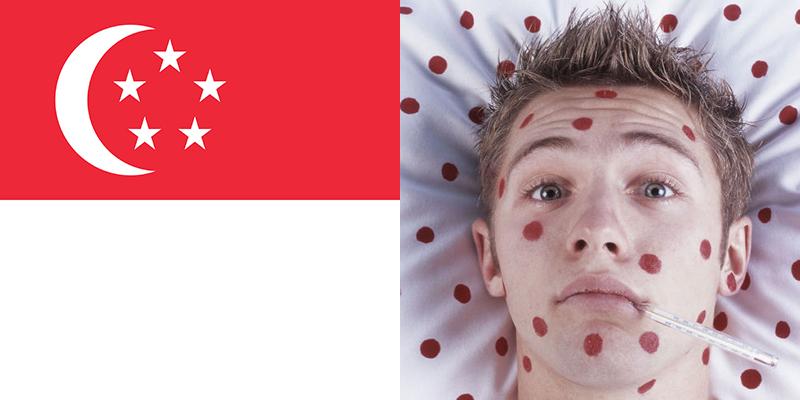
Singapore's Infectious Diseases Agency has reported 12 new cases of measles, raising the total number of cases recorded this year to 23 cases. Among the new cases, 4 cases were reported within a known cluster, while 11 individuals had not received full vaccination, including two children under 12 months who were not yet eligible for the measles, mumps, and rubella (MMR) vaccine.
The new cases were reported between February 1 and March 24, with the agency stating that all infected individuals reside in Singapore, and 6 individuals had recently traveled abroad. The agency confirmed that there is no evidence of wider community transmission, and epidemiological investigations are ongoing.
Details of the Event
In February, Singapore implemented stricter health measures, including mandatory isolation for measles cases, contact tracing, and quarantine for certain close contacts, following an increase in reported cases. The agency emphasized that Singapore remains at risk of imported infections due to rising measles rates abroad, necessitating the implementation of enhanced public health measures starting April 1, 2026.
Mandatory testing for all suspected cases will continue, with an added requirement preventing individuals in high-risk environments from returning to schools or work until their results are negative. Mandatory isolation will also continue for confirmed laboratory cases, along with testing for their contacts.
Background & Context
Historically, measles is one of the infectious diseases that spreads easily among unvaccinated individuals, with the infectious period typically beginning four days before the rash appears. The agency has confirmed that vaccination is the best means of preventing measles, as the MMR vaccine is effective and safe, providing long-lasting immunity after completing the recommended doses.
Under the Infectious Diseases Act, vaccinating children under 12 years old is mandatory in Singapore. The first two doses of the MMR vaccine are recommended at 12 months and 15 months of age. Parents are advised to ensure their children receive both doses on schedule.
Impact & Consequences
These new measles cases serve as a reminder of the importance of vaccination, especially amid a global increase in reported cases. Although the agency has confirmed that the risk of a large outbreak in the community remains low due to high vaccination coverage and herd immunity among Singapore's population, vigilance remains essential.
The agency continues to monitor the situation closely and adjust public health measures as the situation evolves, aiming to prevent transmission in the community and maintain herd immunity.
Regional Significance
Measles is a disease that can affect many countries, including those in the Arab region. In recent years, some Arab countries have seen an increase in measles cases, highlighting the need to strengthen vaccination programs and raise awareness about the importance of vaccines. Cooperation between countries in public health and information sharing about infectious diseases can help reduce the spread of these diseases.
In conclusion, preventing infectious diseases like measles is a collective responsibility that requires commitment from individuals and communities. Everyone should ensure they receive the necessary vaccinations to protect themselves and the community.