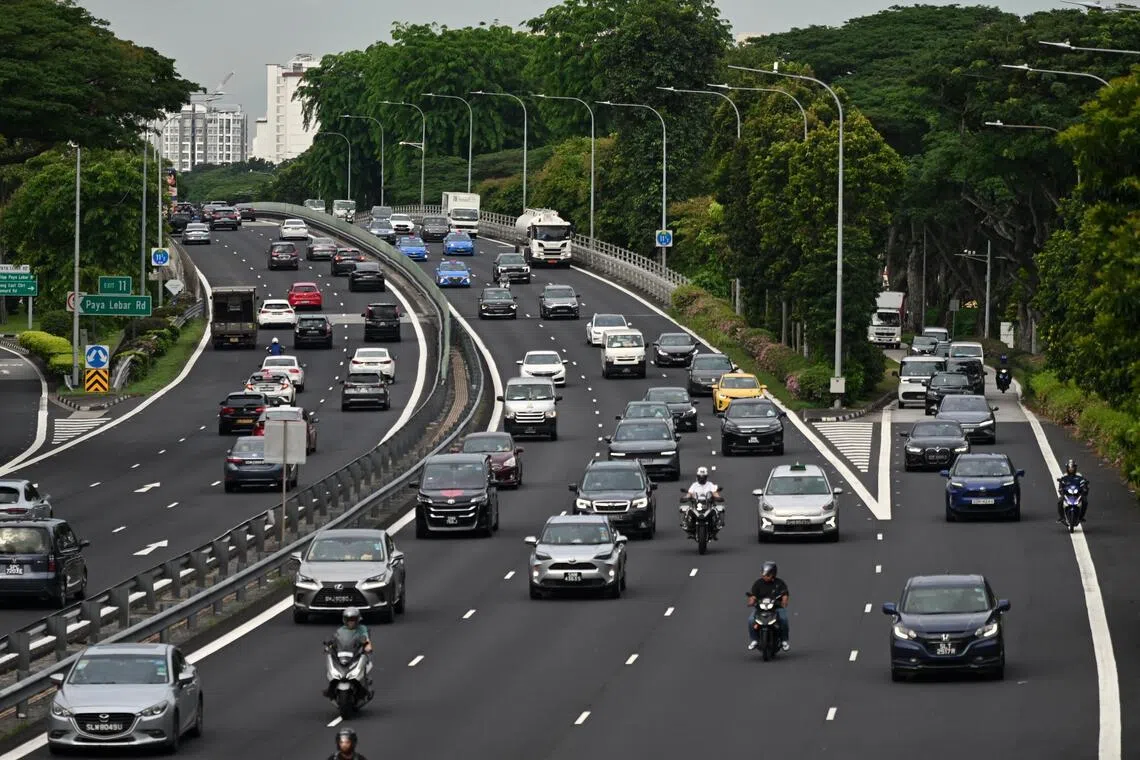
The Singaporean government recently announced new limits on refrigerant emissions used in commercial refrigerators and air conditioners. This initiative is part of the government's strategy to reduce greenhouse gas emissions and improve air quality in the country.
Singapore, recognized as one of the most advanced countries in environmental protection, aims to reduce reliance on refrigerants that contribute to global warming. Officials have indicated that this step will significantly help in reducing harmful gas emissions, reflecting the government's commitment to tackling environmental challenges.
Details of the New Regulations
The new regulations announced include setting maximum levels for refrigerant emissions, meaning that companies using these substances will need to comply with strict standards. The government will also provide support and guidance to businesses to help them adapt to these changes.
This initiative is part of Singapore's ongoing efforts to reduce carbon emissions, with the government aiming to achieve its environmental goals by 2030. This approach is considered part of a broader vision for sustainable development.
Background & Context
Historically, Singapore has been a leader in environmental innovation. The government has implemented numerous environmental policies aimed at improving air quality and reducing pollution. In recent years, concerns about the impacts of climate change have prompted the government to take more stringent actions.
Refrigerants used in refrigerators and air conditioners are among the largest sources of greenhouse gas emissions. Therefore, setting limits on their emissions is a vital step towards achieving environmental goals. Studies have shown that these substances can have negative effects on the climate, making immediate action necessary.
Impact & Consequences
This move is expected to lead to significant changes in the refrigerant market in Singapore. Companies will need to invest in new, more efficient technologies, which may initially increase operating costs. However, these investments could lead to long-term cost savings and improved environmental performance.
Additionally, this step may inspire other countries in the region to take similar actions. In light of global environmental challenges, international cooperation in environmental protection is crucial. Singapore could serve as a model in this field.
Regional Significance
In the Arab region, many countries face similar challenges regarding emissions and climate change. Singapore's experience could serve as an inspiration for Arab nations seeking to improve their environment. Effective environmental policies can contribute to sustainable development and achieve economic goals.
This step highlights the importance of cooperation among nations in addressing environmental challenges. Arab countries can benefit from sharing knowledge and experiences with countries like Singapore to achieve their environmental objectives.
In conclusion, the Singaporean government's decision to set limits on refrigerant emissions is a bold step towards improving the environment. By committing to environmental standards, countries can make tangible progress in addressing environmental challenges.