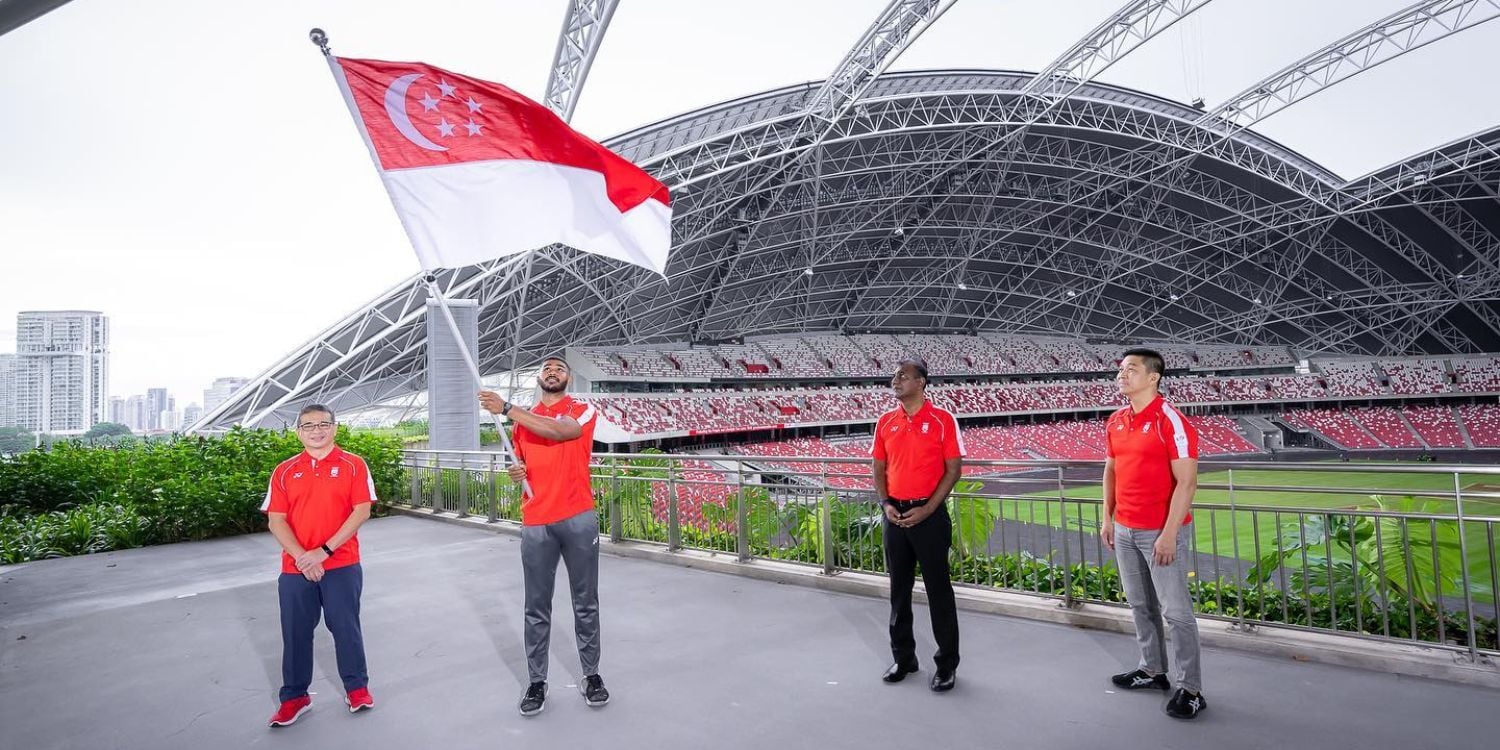
In a move that reflects Singapore's commitment to promoting sports, the government has announced support for 200 athletes from various sports disciplines through intensive training in preparation for the upcoming SEA Games 2029. This announcement was made during a ceremony honoring athletes at the Singapore Sports School, where the Minister for Culture, Community and Youth, David Niu, emphasized that this support aims to enhance athletes' performance in the forthcoming competitions.
Niu pointed out that the financial support will include high-level training camps, technical expertise, and increased exposure to competitions, along with initiatives to improve specific sports performance in collaboration with head coaches and national sports federations.
Details of the Initiative
This announcement comes at a critical time to enhance athletes' ability to compete on the international stage. Currently, there are 165 athletes receiving intensive training support, reflecting Singapore's commitment to developing its athletes. Niu also announced plans to increase the number of specialists at the High-Performance Institute by 40%, bringing the total to 110 specialists.
The scope of athlete life management services at the institute will expand, with a dedicated team of managers and specialists to assist athletes in transitioning through various stages of their lives, from education to career development.
Background & Context
Historically, Singapore hosted the SEA Games in 2015, establishing itself as a leading nation in organizing sporting events in Southeast Asia. These games serve as an important platform for athletes in the region, allowing them to compete at a high level and develop their skills. Singapore's hosting of these games again reflects its commitment to enhancing sports in the country.
The SEA Games are not only a showcase of athletic talent but also a celebration of regional unity and sportsmanship. By hosting the event, Singapore aims to foster a sense of pride and community among its citizens while promoting a healthy lifestyle through sports.
Impact & Consequences
These steps are part of a long-term strategy to enhance Singapore's position as a leading sports destination. By intensively supporting athletes, the government hopes to achieve outstanding results in the upcoming games, which will bolster the country's reputation on the international stage. Additionally, increasing the number of specialists in the sports field will contribute to improving the level of training and guidance, positively impacting athletes' performance.
The government's investment in sports is expected to yield significant returns, not only in terms of medals but also in inspiring future generations to pursue sports professionally. This initiative is a testament to Singapore's dedication to nurturing talent and fostering a vibrant sports culture.
Regional Significance
As Southeast Asia continues to grow as a hub for sports, Singapore's proactive approach in preparing for the SEA Games positions it as a leader in the region. The support for athletes and the enhancement of training facilities will likely attract more international events, further establishing Singapore as a premier sports destination.
Moreover, the collaboration with national sports federations and coaches signifies a unified effort to elevate the standards of sports in the region, promoting healthy competition and cooperation among neighboring countries.