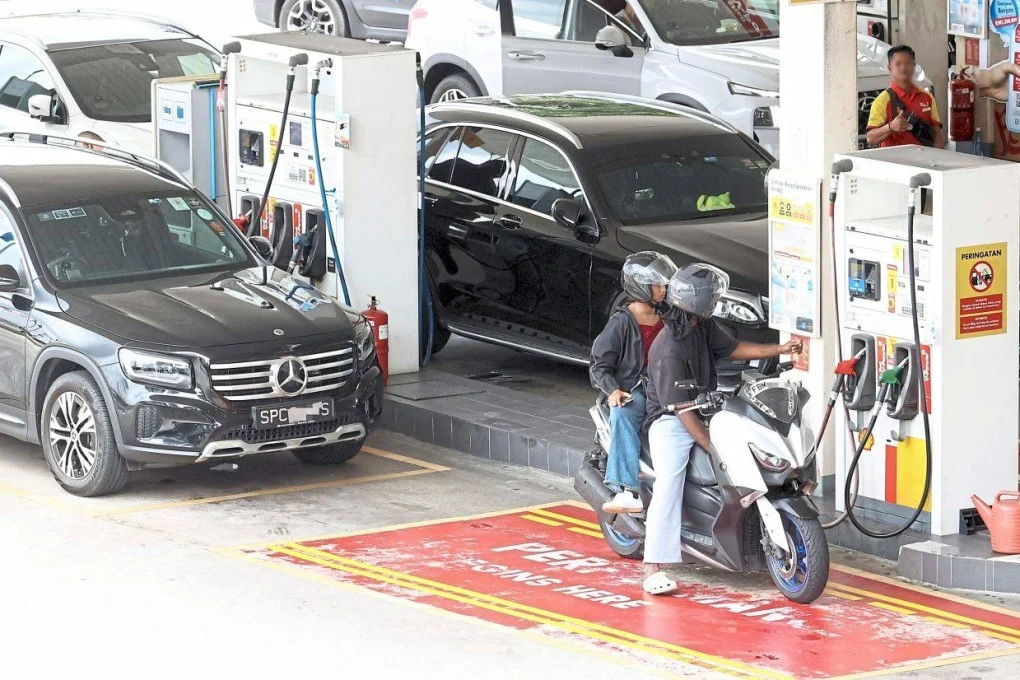
The Malaysian state of Johor is witnessing a significant influx of Singaporean citizens seeking fuel at lower prices, a phenomenon now referred to as the new "obsession." Amid the sharp rise in gasoline prices in Singapore due to ongoing conflicts in the Middle East, the price of RON95 gasoline has surged to around 3.41 Singapore dollars (2.64 US dollars) per liter, which is nearly three times its price in Malaysia.
Reports indicate that Singaporeans are heading to Johor Bahru, where RON97 gasoline, considered unsubsidized, is sold for 5.15 Malaysian ringgit (1.27 US dollars) per liter. This significant price difference has prompted many citizens to cross the border in search of affordable fuel.
Details of the Event
The number of Singaporean vehicles crossing the border into Malaysia is on the rise, with fuel being one of the main reasons for this influx. Singaporean cars are only allowed to fill up with RON97 gasoline, making it an attractive option compared to the high fuel prices in Singapore. This trend demonstrates how economic and political factors can influence consumer behavior in the region.
One Singaporean citizen, who preferred to remain anonymous, noted that "prices in Singapore have become unreasonable, so going to Malaysia to fill up fuel has become a necessary option." These statements reflect the growing concern among citizens about the cost of living.
Background & Context
Historically, relations between Singapore and Malaysia have been tense at times; however, economic cooperation between the two countries has always been at the core of bilateral relations. Crossing the border between the two countries is common, as many Singaporeans head to Malaysia for shopping or weekend getaways. However, the rise in fuel prices in Singapore has added a new dimension to this dynamic.
The roots of the rising fuel prices in Singapore can be traced back to political and economic turmoil in the Middle East, where conflicts affect oil supplies and global energy prices. This situation reflects how global events can impact the daily lives of citizens in distant countries.
Impact & Consequences
This phenomenon illustrates how local economies can be significantly affected by global events. With ongoing conflicts in the Middle East, fuel prices in Singapore are expected to continue rising, potentially leading to an increase in the number of citizens heading to Malaysia. This trend may also impact the Malaysian economy, as it could lead to increased revenue from fuel sales and trade.
Moreover, this influx of citizens could contribute to strengthening economic ties between Singapore and Malaysia, potentially leading to increased investments and cooperation in other areas. However, both governments must respond appropriately to ensure that this influx does not strain local infrastructure.
Regional Significance
Although this event focuses on Southeast Asia, it highlights the importance of stable fuel prices and their impact on local economies. In the Arab region, fuel prices are a significant factor affecting the cost of living, as many countries suffer from rising energy prices due to regional conflicts. This situation reminds us of the importance of cooperation among Arab countries to secure energy supplies at reasonable prices.
In conclusion, this trend in Singapore and Malaysia demonstrates how global events can directly affect individuals' lives, prompting reflection on how to address future economic challenges.