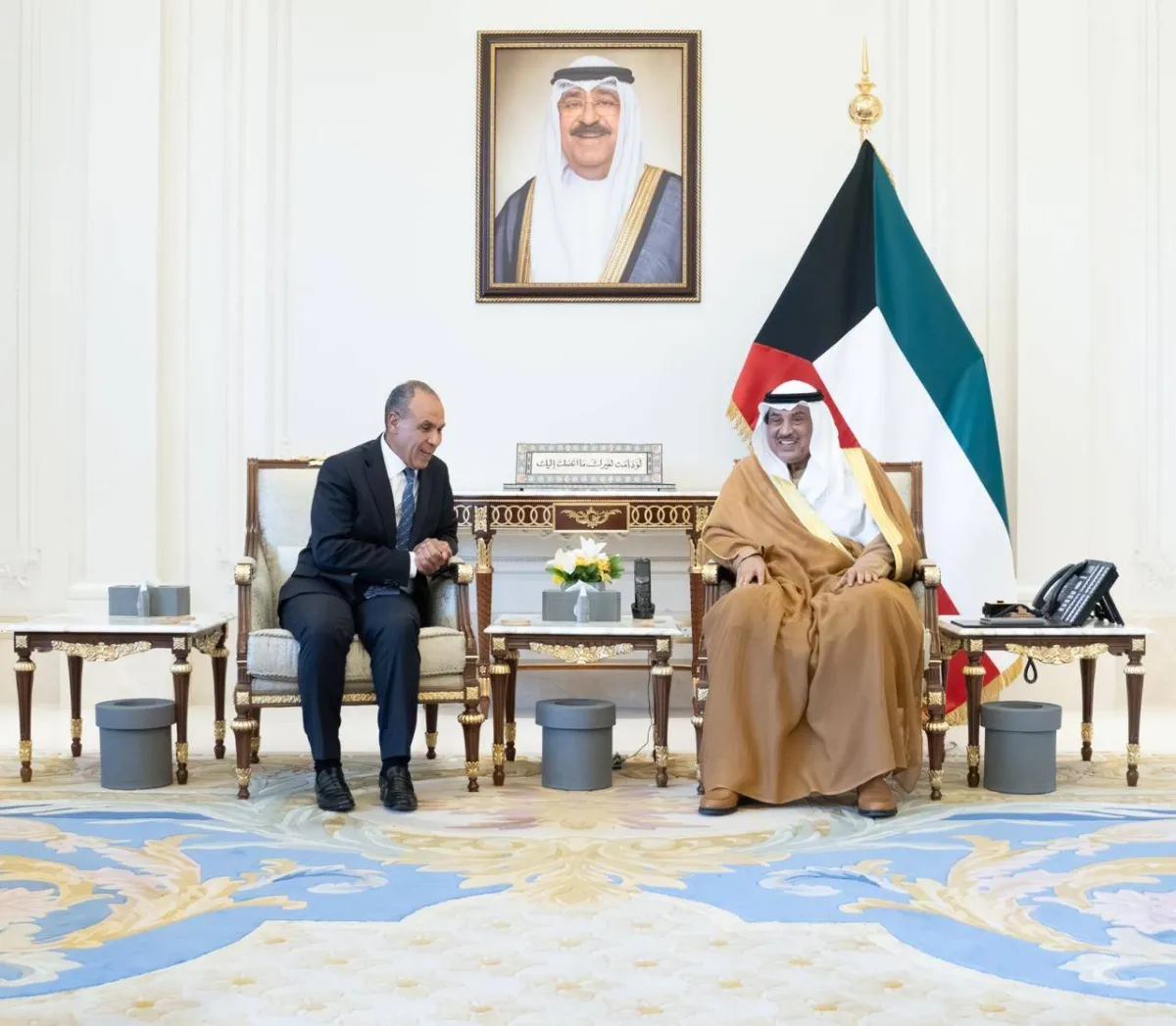
Egyptian President Abdel Fattah Sisi stated on Wednesday the importance of addressing Gulf security concerns in the ongoing negotiations between the United States and Iran, following the announcement of a ceasefire. These statements come at a critical time, coinciding with the visit of Egyptian Foreign Minister Sameh Shoukry to Kuwait to enhance solidarity and discuss regional developments.
The United States and Iran had agreed to a ceasefire before the deadline set by President Donald Trump, who announced via his social media platform that the ten-point Iranian plan represents a viable basis for negotiations.
Details of the Event
Sisi welcomed the announcement of an agreement between Washington and Tehran in a post on his social media accounts, expressing hope that this positive development would lead to a permanent agreement to end the war in the region. The Egyptian president reaffirmed his country's full and unconditional support for the Gulf Cooperation Council states, Jordan, and Iraq during these sensitive circumstances, emphasizing the importance of considering the legitimate security concerns of these nations in any forthcoming agreement.
The Egyptian Foreign Ministry also welcomed Trump's announcement regarding the suspension of military operations in the region for two weeks, noting that the security and stability of the Gulf states are closely linked to the security and stability of Egypt. The ministry confirmed its ongoing efforts with Pakistan and Turkey to enhance security and stability in the region.
Background & Context
These developments occur amid increasing tensions in the region, as Egypt has engaged in mediation efforts to de-escalate the situation between the United States and Iran. President Sisi and the Egyptian Foreign Minister have conducted tours in several Gulf countries, where they emphasized the necessity of considering Gulf security concerns in any future agreement.
In this context, the Egyptian Foreign Minister visited Kuwait, where he met with the Crown Prince and delivered a message from President Sisi affirming Egypt's steadfast solidarity with Kuwait in the face of aggressions. The Crown Prince praised Egypt's pivotal role in defending Kuwait's security and the Gulf's national security.
Impact & Consequences
Sisi's emphasis on the importance of Gulf security concerns and Shoukry's visit to Kuwait signal Egypt's supportive stance towards the Gulf and its desire to maintain coordination with regional partners. Egyptian academic Khaled Akasha noted that Egypt has been involved in the conflict since its inception and fears slipping into a more complicated situation.
He added that Egypt has engaged in mediation efforts, leveraging the trust it enjoys among all parties involved, reflecting its central role in enhancing regional security.
Regional Significance
These statements represent an important step in the context of relations between Arab states and the Gulf countries, reflecting Egypt's desire to strengthen security cooperation and stability in the region. This cooperation is essential to address the increasing security challenges facing the countries in the area.
In conclusion, the significance of these negotiations in achieving regional stability is highlighted, as any agreement between the United States and Iran must consider the interests of the Gulf states, underscoring Egypt's role as a key mediator in this crisis.