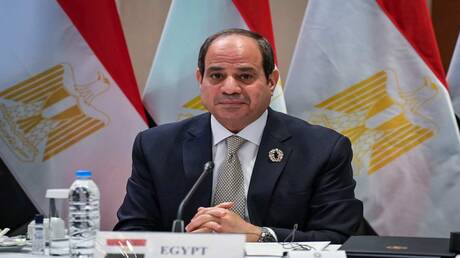
Egyptian President Abdel Fattah Sisi has warned of the potential negative repercussions of regional wars on the Egyptian economy, urging the government to take immediate measures to ensure market stability. This statement was made during a meeting with Prime Minister Mostafa Madbouly, attended by the ministers of finance and planning.
Sisi, who is facing increasing economic challenges, emphasized the need for the government to remain vigilant against any negative impacts that may arise from regional crises. He pointed out the importance of taking proactive steps to ensure price stability and provide essential goods to citizens.
Details of the Meeting
The meeting took place at a sensitive time, as tensions in the region escalate due to ongoing conflicts. During the meeting, Sisi discussed the necessity of enhancing coordination among various ministries to ensure an effective response to crises. The discussion also covered ways to support different economic sectors, including agriculture and industry, to ensure the continuity of production.
Sisi called for a focus on improving the investment environment, noting that economic stability heavily relies on attracting both foreign and local investments. He also stressed the importance of transparency in government dealings to ensure investor confidence.
Background & Context
Sisi's warnings come amid difficult economic conditions in Egypt, where the economy is facing multiple pressures including rising prices and a decline in the value of the Egyptian pound. Additionally, regional crises, such as the conflict in Gaza, could directly impact tourism and investment in the country.
Over the past few years, Egypt has faced significant economic challenges, including the repercussions of the COVID-19 pandemic that affected many sectors. With the escalation of regional crises, it has become essential for the government to take effective steps to protect the national economy.
Impact & Consequences
If regional crises continue, Egypt may face even greater challenges in achieving economic growth. These crises are expected to affect foreign investments, potentially leading to a decline in growth rates. Furthermore, rising prices may increase pressures on Egyptian households, necessitating a swift response from the government.
The economic challenges could also affect social stability, as crises may lead to higher unemployment and poverty rates. Therefore, a quick and effective government response will be crucial in addressing these challenges.
Regional Significance
Egypt is considered one of the largest economies in the region, and any negative impacts on its economy could affect neighboring countries. In light of the current crises, pressures may increase on other Arab nations, requiring greater coordination among governments to face common challenges.
Moreover, economic stability in Egypt is an important factor for the stability of the entire region, as many countries rely on Egypt as a commercial and investment hub. Thus, maintaining the stability of the Egyptian economy will have positive effects on the region as a whole.
In conclusion, the greatest challenge facing the Egyptian government remains how to address regional crises and secure the stability of the national economy, which requires effective strategies and cooperation among various ministries.