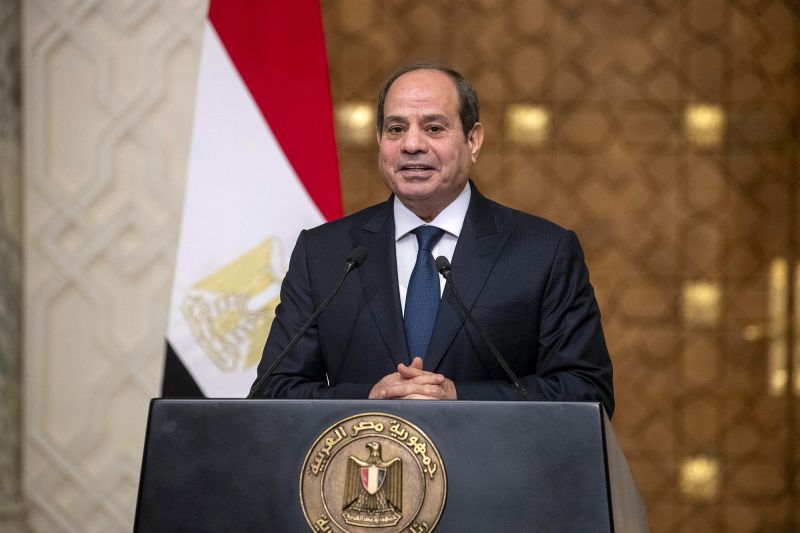
Egyptian President Abdel Fattah Sisi has warned that the continuation of military conflict in the region will lead to increased global fuel and food prices, negatively impacting the Egyptian economy. These remarks come at a critical time as the world grapples with the repercussions of the Ukrainian war, which has significantly affected energy and food markets.
During his speech at the youth conference, Sisi emphasized that current global crises require a swift and effective response from nations, noting that Egypt is not isolated from these challenges. He explained that rising prices could exacerbate economic and social conditions in the country, necessitating urgent measures to protect citizens.
Details of the Event
Sisi's warnings come at a time when oil prices have seen a noticeable increase, with Brent crude prices surpassing $90 per barrel. Additionally, prices of essential food items such as wheat and rice have risen significantly, putting extra pressure on Egyptian households. Sisi pointed out that this price increase is not limited to Egypt but affects many countries around the world.
He also addressed the importance of enhancing local production and reducing reliance on imports, stressing the need to develop the agricultural and industrial sectors in Egypt. He confirmed that the government is working on implementing strategic plans aimed at achieving self-sufficiency in certain essential goods.
Background & Context
Historically, Egypt has faced numerous economic crises due to global political and economic changes. Since the onset of the Ukrainian war, many countries, including Egypt, have been significantly affected by rising energy and food prices. Egypt is one of the largest wheat importers globally, relying heavily on imports to meet its needs.
In recent years, the Egyptian government has taken multiple steps to enhance food security, including increasing cultivated areas and developing agricultural infrastructure. However, challenges remain, especially under the current global circumstances.
Impact & Consequences
The ongoing increase in fuel and food prices may exacerbate economic and social conditions in Egypt, potentially negatively impacting political stability. Under these circumstances, citizens may face greater difficulties in meeting their basic needs, which could lead to increased protests and demands for improved living conditions.
Moreover, rising prices may affect both foreign and domestic investments, as companies may hesitate to expand their operations amid economic instability. Therefore, it is crucial for the government to take effective steps to address these challenges.
Regional Significance
The economic crises resulting from military conflicts in the region pose a significant challenge for Arab countries. With rising fuel and food prices, other Arab nations may also face similar pressures, potentially worsening economic and social conditions in those countries.
These circumstances require greater coordination among Arab countries to address common challenges, especially in the areas of food security and energy. Furthermore, enhancing economic cooperation among Arab nations could have a positive impact on regional stability.
In conclusion, Sisi's warnings serve as a call for serious reflection on how to address current crises and emphasize the importance of collective action to tackle the economic and social challenges facing the region.