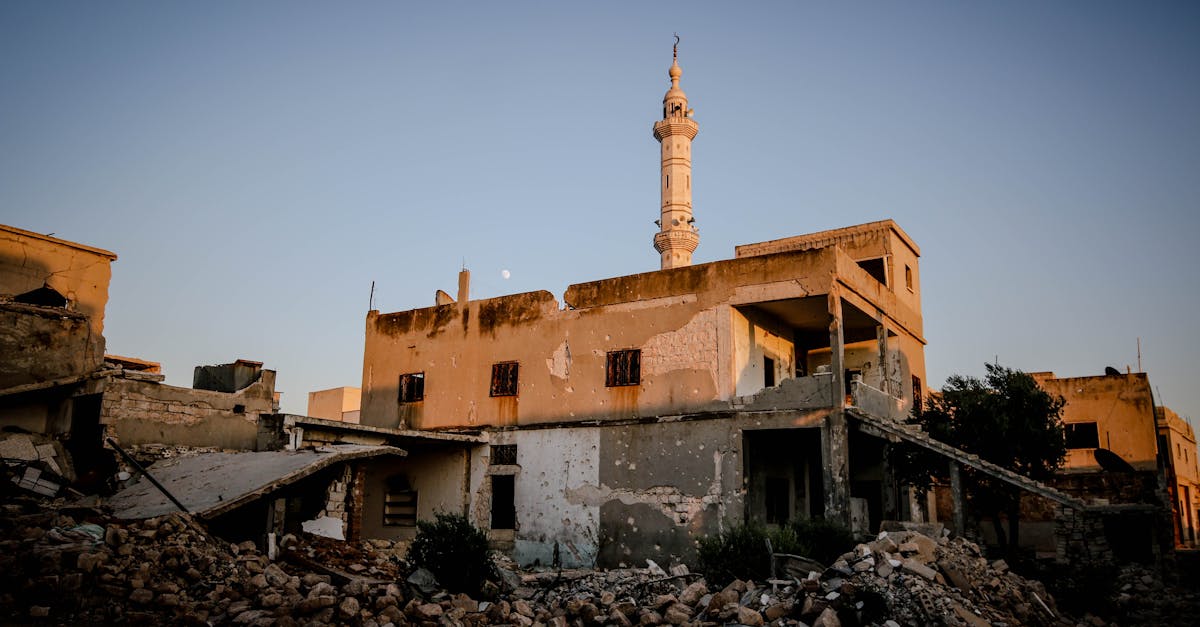
Six civilians, including two children, have been killed as a result of the continuous shelling carried out by the Israeli occupation in southern Lebanon. This escalation occurs at a time when the region is experiencing increasing tensions, exacerbating the suffering of civilians and reflecting a serious deterioration in security conditions.
Reports of intense shelling targeting residential areas continue to emerge, with local sources indicating that the bombardment has caused widespread destruction of property and infrastructure, further increasing the hardships faced by residents who are already suffering from humanitarian crises.
Details of the Incident
Information indicates that the shelling targeted several areas in southern Lebanon, with numerous injuries reported among civilians, in addition to the fatalities. This escalation follows a series of intermittent clashes between Israeli forces and armed groups in the region, raising concerns about the potential for increased violence.
The Israeli occupation has not hesitated to carry out military operations in the area, with the Israeli government justifying these actions as necessary for national security. However, these operations have sparked angry reactions from the international community, which calls for the need to respect human rights and protect civilians in armed conflicts.
Background & Context
Historically, southern Lebanon has witnessed recurring conflicts, serving as a battleground between the Israeli occupation and armed groups. This conflict dates back decades, with the scars of war still evident, placing civilians in the line of fire. The humanitarian situation in Lebanon is in continuous decline, with residents facing severe shortages of essential resources.
In recent years, tensions in the region have intensified, particularly following an increase in military activities by the occupation. This situation places civilians in constant danger and adds to the burdens on the Lebanese government, which is grappling with significant economic and political challenges.
Impact & Consequences
The killing of civilians under such circumstances reflects a dangerous escalation in the conflict, which may provoke strong reactions from the international community. These events are expected to raise global concern regarding the humanitarian situation in Lebanon and could prompt some countries to adopt firmer stances against the Israeli occupation.
The political ramifications of this escalation could be far-reaching, potentially affecting relations between Lebanon and other countries, as well as its impact on regional stability. Under these conditions, pressure is mounting on the Lebanese government to address the multiple crises it faces.
Regional Significance
This escalation in southern Lebanon may affect security conditions in neighboring countries, potentially leading to increased tensions in the region. The humanitarian crises in Lebanon could drive refugees to migrate to other countries, increasing the pressures on neighboring states.
Moreover, events in Lebanon may influence relations among Arab countries, as reactions to the Israeli occupation may vary. In light of these circumstances, Arab nations need to adopt unified positions to support Lebanon and its people in facing the challenges they encounter.
The killing of civilians in southern Lebanon highlights the deteriorating humanitarian conditions in the region and underscores the urgent need for lasting political solutions that guarantee human rights and protect civilians from the ravages of conflict.