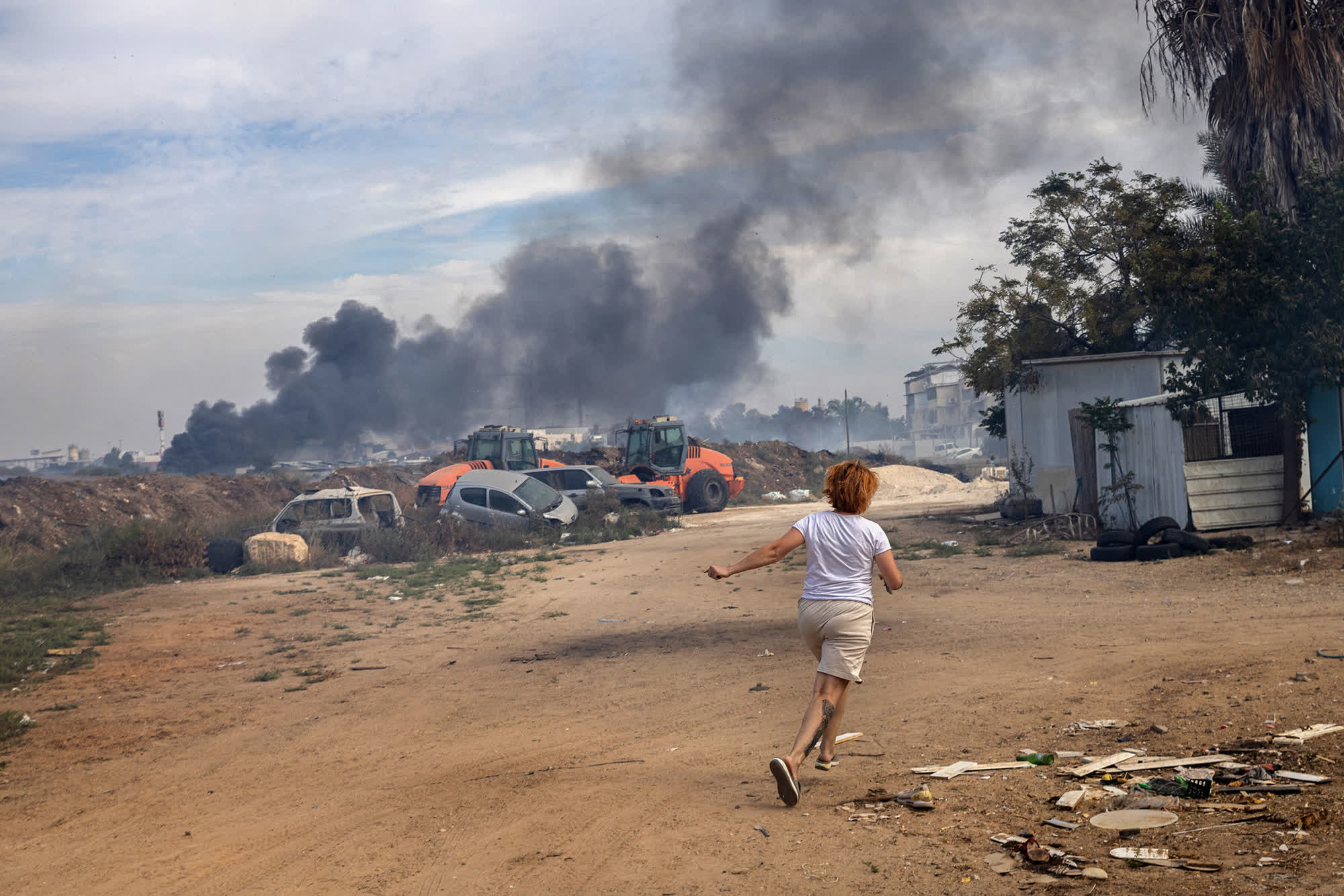
Six Palestinians were killed in two airstrikes conducted by Israeli warplanes on checkpoints in the Gaza Strip, prompting a wave of international condemnation. The attacks occurred late last night and targeted sites associated with Palestinian factions, resulting in casualties and injuries among civilians.
These airstrikes come at a sensitive time, as tensions between Palestinians and Israelis are escalating, amid increasing calls for de-escalation. Medical sources in Gaza confirmed that the bombardment resulted in the deaths of six individuals, including civilians, along with several others sustaining varying degrees of injuries.
Details of the Incident
According to eyewitnesses, the airstrikes targeted two checkpoints in the northern part of the Gaza Strip, where there was active movement of Palestinian faction members. Images circulated on social media showed extensive destruction caused by the airstrikes, with buildings shattered and vehicles damaged.
In this context, reports indicated that Israeli aircraft had carried out a series of strikes over the past few days, targeting various sites in Gaza, further heightening tensions in the area. The Palestinian Ministry of Health confirmed that the number of martyrs in recent days has risen significantly, raising concerns about the humanitarian situation in the besieged enclave.
Background & Context
Historically, the Gaza Strip has witnessed numerous military escalations between Israel and Palestinian factions, with these airstrikes being part of a conflict that has persisted for decades. Since the beginning of the year, the frequency of Israeli attacks on Gaza has increased, amid rising Palestinian protests against the occupation.
These airstrikes are seen as part of an Israeli policy aimed at undermining the capabilities of Palestinian factions, while Palestinians view these attacks as a reflection of the ongoing occupation and violations of their rights. This situation has exacerbated the humanitarian crises in the enclave, where residents suffer from severe shortages of essential resources.
Impact & Consequences
The repercussions of these airstrikes extend beyond military dimensions, directly affecting the humanitarian conditions in Gaza. With an increasing number of martyrs and injured, the pressure on the struggling healthcare system in the enclave is mounting, threatening the lives of many.
Moreover, these airstrikes could lead to greater escalation in hostilities, jeopardizing peace efforts in the region. International organizations have warned that the continuation of these attacks may exacerbate the humanitarian situation and increase the suffering of civilians.
Regional Significance
These events are part of the broader context of the Arab-Israeli conflict, eliciting strong reactions from Arab countries and the international community. Many Arab nations condemned the Israeli airstrikes, calling for an immediate halt to attacks on civilians.
Additionally, these events place additional pressure on Arab governments to intervene in order to end the conflict, reflecting the importance of the Palestinian issue in Arab politics. At the same time, these airstrikes raise questions about the role of the international community in protecting Palestinian rights and stopping Israeli violations.
In conclusion, the situation in Gaza remains tense, with continued military escalation from the Israeli side, threatening to increase civilian suffering and complicate peace efforts in the region.