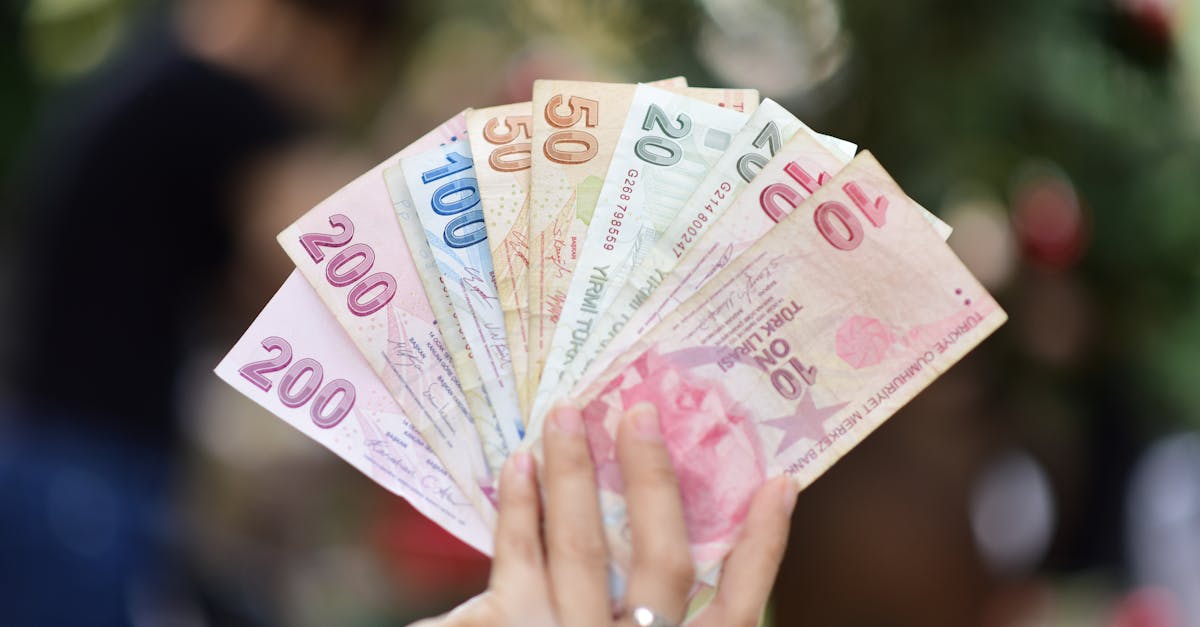
Sixteen global currencies have been affected by the escalating conflict in the Middle East, resulting in a significant rise of the US dollar against these currencies. This situation arises during a sensitive time marked by political and economic tensions worldwide, directly impacting global financial markets.
According to reports, the currencies that have declined against the dollar include the euro, British pound, and Japanese yen, along with many others. This decline reflects a state of economic uncertainty dominating the markets due to ongoing events in the region.
Details of the Event
Amid the escalating conflict in the Middle East, the US dollar has seen a notable rise, leading to the decline of many global currencies. Economic sources indicate that this decline reflects fears regarding the impact of the conflict on global economic stability.
These events serve as a warning bell for financial markets, as any further escalation in the conflict could exacerbate the economic situation. Analysts have pointed out that investors are turning to the dollar as a safe haven during times of crisis, thereby increasing its strength against other currencies.
Background & Context
Historically, the Arab region has witnessed numerous conflicts that have impacted the global economy. The current conflict comes in a complex historical context, where political and economic factors intertwine. Over the years, crises in the Middle East have led to fluctuations in financial markets, affecting global currencies.
In recent years, there have been numerous attempts to stabilize the region, but ongoing tensions reflect the difficulty of achieving this goal. Recent events may remind observers of past crises in the region, which led to declines in currencies against the dollar.
Impact & Consequences
The economic repercussions of this conflict could be far-reaching. The decline of currencies against the dollar may lead to increased import costs, affecting local prices and heightening inflationary pressures. Additionally, this situation could impact foreign investments in the region, as investors may hesitate to enter unstable markets.
Moreover, the decline of currencies could affect citizens' purchasing power, increasing economic pressures on households. Under these circumstances, governments may resort to economic measures to mitigate the effects of the conflict on their citizens.
Regional Significance
For the Arab region, the decline of currencies against the dollar could worsen economic conditions. Many countries rely on imports to meet their basic needs, and thus, the rising cost of these imports may increase the suffering of citizens.
Furthermore, the ongoing conflict could affect political stability in the region, complicating economic conditions. In light of these circumstances, Arab governments must take urgent steps to address the economic challenges arising from the conflict.
In conclusion, the situation in the Middle East remains under close observation, as any new developments could significantly impact global financial markets. Investors and analysts must monitor the situation closely, as economic stability heavily depends on the political conditions in the region.