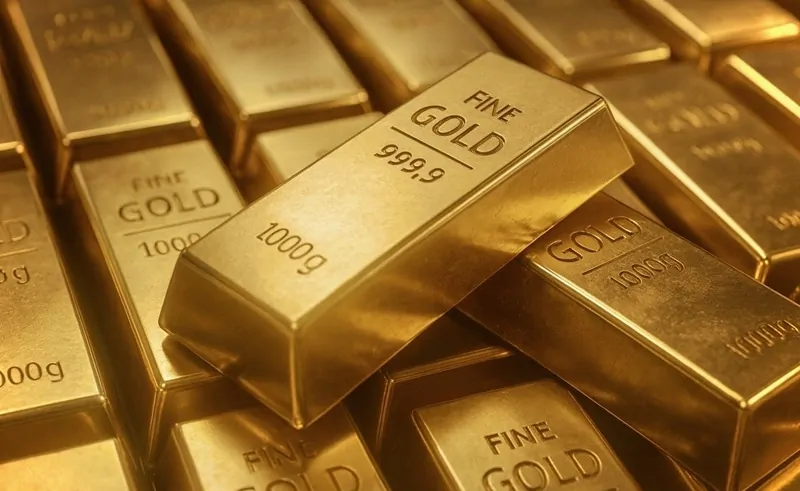
This morning, Saturday, gold prices in Indonesia saw a slight decline of 3,000 rupiah, with the price of 24-carat gold recorded at 2,796,000 rupiah per gram, according to data from Logam Mulia in the capital Jakarta.
The buying price also decreased again to 2,586,000 rupiah per gram, reflecting the ongoing market fluctuations in precious metal prices.
Details of the Event
Gold prices in Indonesia are influenced by several factors, including global gold prices, changes in local demand, and tax policies affecting buying and selling operations. It is well-known that gold prices can change at any moment, keeping investors and traders in a constant state of alert.
It is noteworthy that gold sales are subject to certain taxes, with a 1.5% income tax (PPh) deducted for investors holding a tax identification number (NPWP), and 3% for those without this number, which affects the cost of buying and selling.
Background & Context
Historically, gold is considered one of the most important investment assets in Indonesia, as many people prefer to invest in it as a means of preserving value. With increasing global economic pressures, the demand for gold rises as a safe haven during times of uncertainty.
In recent years, global markets have experienced significant volatility, directly affecting gold prices. As inflation rises and concerns about economic stability grow, many investors are turning to gold as a means of protection against market fluctuations.
Impact & Consequences
The drop in gold prices affects many economic sectors, including the jewelry industry and investment. Additionally, lower prices may encourage some investors to buy gold, potentially leading to increased demand in the future.
Furthermore, changes in gold prices also impact the Indonesian economy as a whole, given that Indonesia is one of the largest gold producers in the world. Therefore, any price changes can affect government revenues and jobs in this sector.
Regional Significance
Gold prices are considered a significant economic indicator in the Arab region, where many Arab investors turn to gold as a means of preserving wealth. With increasing fluctuations in global markets, Arab investors may start monitoring gold prices in Indonesia as part of their investment strategies.
In conclusion, gold remains one of the most important assets in global markets, and changes in its prices serve as an indicator of overall economic trends. Therefore, it is crucial to monitor these changes to understand their impact on local and international markets.