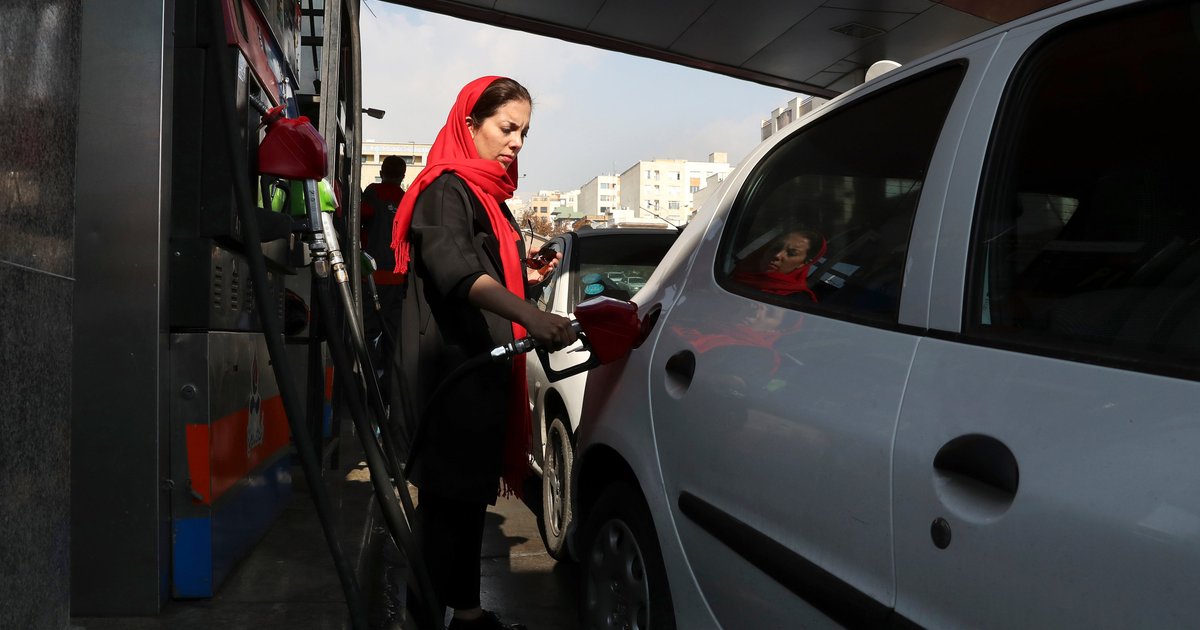
Despite the significant challenges facing the U.S. economy, including a sharp rise in fuel prices due to the ongoing conflict in Iran, new data has shown a slight increase in American consumer confidence. According to reports, the consumer confidence index has risen marginally, indicating some optimism in the U.S. market.
This increase in confidence comes at a time when American citizens are experiencing rising financial pressures due to soaring energy prices. Gasoline prices have seen a noticeable increase, impacting the budgets of American households. However, consumers appear to remain optimistic about the future of the economy.
Details of the Event
According to the consumer confidence index, published by a specific organization, confidence rose by 0.5% last month. This increase follows a series of declines that the index experienced in previous months, suggesting that consumers are beginning to regain some confidence in the economy. This index is an important indicator of how consumers view the economy, as much of economic activity relies on consumer spending.
Despite the pressures from rising fuel prices, some analysts believe that there are positive factors supporting this slight increase in confidence. Among these factors are falling unemployment rates and wage increases in certain sectors, which may help families adjust to rising costs.
Background & Context
Historically, fuel prices have been significantly affected by geopolitical events, especially in the Middle East. The conflict in Iran, which has heightened tensions in the region, has had a direct impact on global oil prices. This increase in prices, in turn, affects transportation and production costs, which is reflected in the prices of goods and services.
In recent years, the United States has seen significant changes in oil production, becoming one of the largest oil producers in the world. However, the country still relies on imports to meet its energy needs, making it vulnerable to fluctuations in global prices.
Impact & Consequences
The rise in fuel prices could have negative effects on the U.S. economy if it persists for an extended period. Increased transportation costs can lead to higher prices for goods, which may affect consumers' purchasing power. If inflationary pressures continue, the U.S. government may have to take measures to curb inflation, such as raising interest rates.
On the other hand, if consumer confidence continues to rise, it could lead to increased spending, which may help support economic growth. Consumer spending is one of the main drivers of the U.S. economy, accounting for about 70% of the gross domestic product.
Regional Significance
Oil prices are one of the main factors affecting the economies of Arab countries, as many of these nations rely on oil revenues as a primary source of income. The rise in oil prices due to the conflict in Iran may have a positive impact on some oil-producing countries in the region, such as Saudi Arabia and the United Arab Emirates.
However, rising prices may negatively affect oil-importing countries, increasing economic pressures on these nations. Therefore, monitoring developments in Iran and their impact on oil prices will be crucial for Arab countries in the coming period.