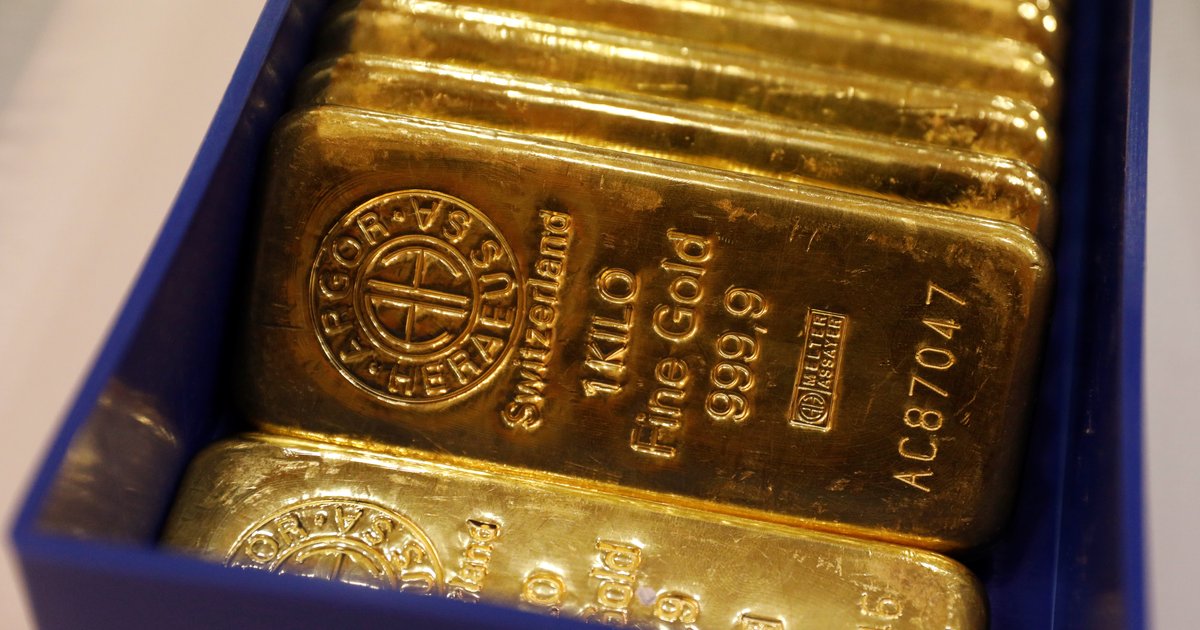
Gold prices saw a slight uptick on Monday as the dollar weakened, but gains were limited due to a sharp rise in energy prices, raising inflation concerns. These factors also impacted expectations for interest rate cuts by the U.S. Federal Reserve.
As of 03:30 GMT, the price of gold in spot transactions recorded an increase of 0.3%, reaching $1945.50 per ounce. This rise came after the dollar's decline, making gold less expensive for investors holding other currencies. However, the significant increase in energy prices, including oil, negatively affected investors' hopes for interest rate cuts.
Details of the Event
This slight increase in gold prices comes at a time when the market is experiencing significant volatility. Oil prices have surged sharply, raising new concerns about inflation. Recent economic data has shown that inflation remains a major challenge for the U.S. economy, increasing pressure on the Federal Reserve.
In this context, forecasts suggest that the U.S. central bank may lean towards holding interest rates steady rather than cutting them, which could negatively impact demand for gold as a safe haven. Nevertheless, there remains strong interest in gold as a hedge against inflation.
Background & Context
Over the past few months, gold prices have experienced notable fluctuations due to changes in U.S. monetary policy. While there were previous expectations for interest rate cuts, recent economic data has altered these projections. Gold is traditionally considered a safe haven during periods of economic uncertainty, making it attractive to investors.
At the same time, rising energy prices reflect ongoing pressures on the global economy, especially amid geopolitical crises and tensions in energy markets. These factors make it difficult for investors to make clear decisions regarding their investments in gold.
Impact & Consequences
The impact of rising gold prices on financial markets can be significant. If gold prices continue to rise, it could lead to increased demand for the precious metal as a safe investment. Conversely, if inflation continues to rise, investors may turn to gold as a means of protecting against loss of purchasing power.
Additionally, the stability of gold prices may affect stock and bond markets, as investors tend to shift towards gold during times of uncertainty. Therefore, any changes in gold prices could influence investment strategies in financial markets.
Regional Significance
In the Arab region, gold is considered an important asset that enjoys significant popularity among investors. Rising gold prices may lead to increased demand for the metal in Arab markets, which could impact local economies. Furthermore, rising gold prices may also reflect the inflationary pressures faced by some Arab countries.
Moreover, fluctuations in gold prices could affect investments in the precious metals sector in the region, necessitating informed strategic decisions by investors.
In conclusion, gold remains a vital asset in financial markets, significantly influenced by economic and political changes. As inflationary pressures persist, the question regarding the future of gold prices remains open.