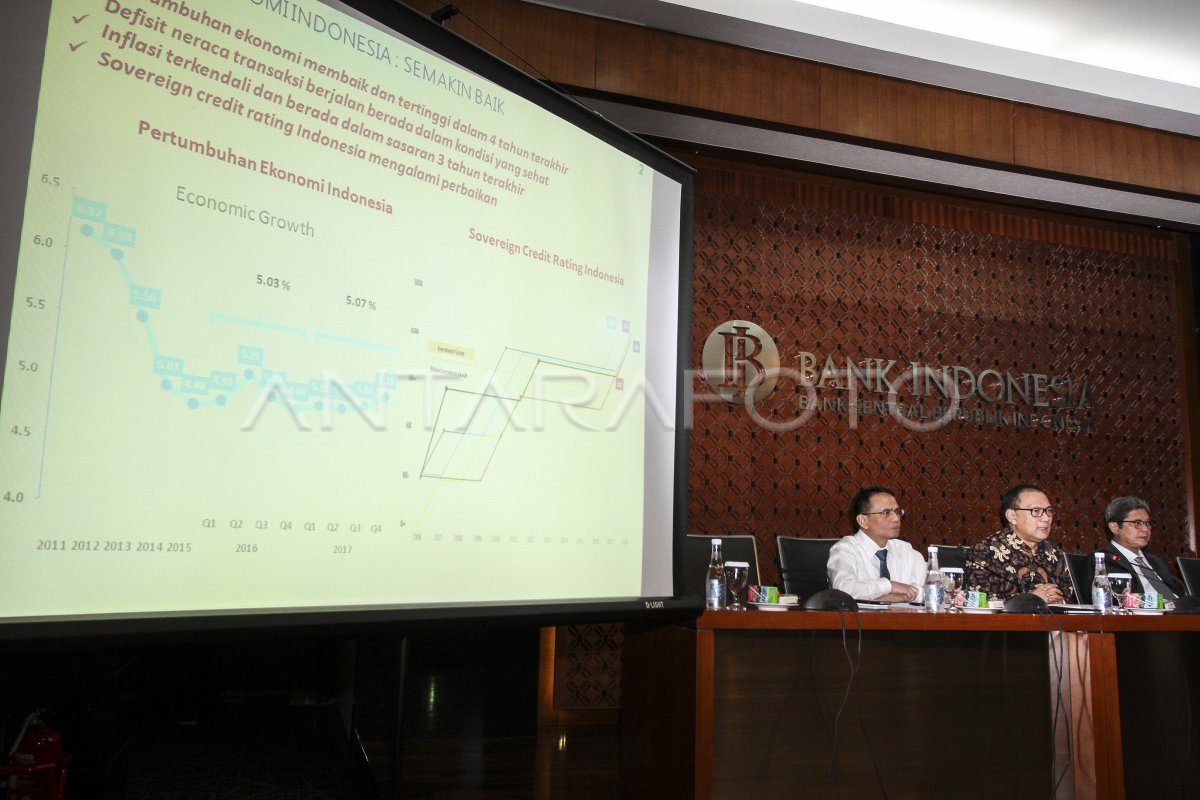
This Thursday morning, the Indonesian rupiah saw a slight increase of one point, reaching 16,982 rupiah against the US dollar. This rise follows its previous closing at 16,983 rupiah in the last session, indicating some stability in the Indonesian currency market.
This slight movement in the value of the rupiah comes at a time when the Indonesian currency is facing external pressures, with noticeable fluctuations in the markets recently. However, there seems to be growing optimism regarding the potential easing of tensions between the United States and Iran, which could positively impact Indonesian financial markets.
Details of the Event
According to reports, the Indonesian rupiah has experienced volatile movements in recent days, influenced by developments in global markets. Economists have pointed out that the slight improvement in the value of the rupiah may be due to increased demand for the local currency from investors looking to capitalize on available opportunities in the Indonesian market.
Additionally, there are internal factors playing a role in the stability of the rupiah, such as the monetary policies of the Indonesian central bank, which aims to balance economic growth and inflation rates. These policies may help boost confidence in the local currency.
Background & Context
Historically, the Indonesian rupiah has experienced significant fluctuations due to economic and political crises, being directly affected by global events. In recent years, the Indonesian government has worked to improve the business environment and enhance foreign investments, contributing to some degree of currency stability.
Indonesia is considered one of the largest economies in Southeast Asia and plays an important role in global trade. Therefore, any changes in the value of the rupiah can affect trade relations with other countries, including Arab nations.
Impact & Consequences
The slight increase in the value of the rupiah may have positive effects on the Indonesian economy, as it could lead to increased confidence in the local market. Furthermore, currency stability may encourage foreign investors to inject more investments into the country, thereby boosting economic growth.
However, caution is warranted as fluctuations in global markets may negatively impact the rupiah in the future. Thus, it is crucial for the Indonesian government to continue monitoring the global economic situation and adjust its policies accordingly.
Regional Significance
Considering the trade relations between Indonesia and Arab countries, the stability of the rupiah may have a positive impact on bilateral trade. Indonesia is one of the largest Muslim-majority countries in the world and has strong trade relations with many Arab nations.
Any improvement in the value of the rupiah could contribute to enhancing Indonesian exports to Arab countries, benefiting the Indonesian economy and strengthening economic relations between the two sides.
In conclusion, the future of the Indonesian rupiah remains linked to various internal and external factors. It is essential for the government and investors to stay informed about economic developments to ensure currency stability and economic growth.