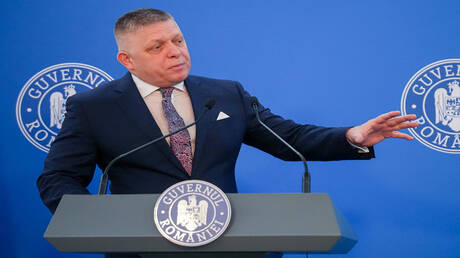
Slovak Prime Minister Robert Fico has called on the European Union to reassess its policy towards Russia, stressing the importance of opening channels for dialogue and communication. Fico noted that lifting the ban on energy imports from Russia could be a necessary step to address the economic challenges faced by EU member states.
Fico's statements come at a sensitive time, as many European countries are grappling with rising energy prices and economic pressures stemming from the ongoing conflict in Ukraine. He expressed concern about the impact of these policies on the Slovak economy, which heavily relies on Russian energy.
Details of the Event
During a press conference, Fico asserted that dialogue with Russia should be a viable option, pointing out that the imposed sanctions have not yielded the desired results. He explained that many European countries, including Slovakia, are struggling to secure alternative energy supplies, making it essential to reevaluate relations with Moscow.
He also indicated that importing energy from Russia could contribute to price stability and alleviate economic pressures on citizens. He emphasized the importance of European cooperation in this regard, calling for discussions with Russia on how to better manage this relationship.
Background & Context
European-Russian relations date back decades, with many European countries relying on Russian energy to meet their needs. As political tensions escalated due to events in Ukraine, the EU imposed strict sanctions on Russia, affecting energy supplies and prices.
Historically, Slovakia has been one of the most dependent countries on Russian gas, with reliance exceeding 80%. However, political and economic tensions have prompted many European nations to seek alternatives, complicating the energy landscape in the region.
Impact & Consequences
Fico's call for a reevaluation of relations with Russia could lead to significant changes in European energy policy. If the EU responds to this call, the European market may witness shifts in energy prices and availability, potentially impacting local economies.
On the other hand, this call may provoke mixed reactions within the EU, as countries differ in their positions towards Russia. While some nations may support the idea of dialogue, others may oppose it, fearing that it could strengthen Russia's position on the international stage.
Regional Significance
The European-Russian relations are of great importance to the Arab region, as any changes in European energy policy could affect global oil and gas prices. If Slovakia succeeds in pushing the EU towards dialogue, it could lead to greater stability in energy markets, benefiting oil-producing Arab countries.
Moreover, these developments could open the door for further cooperation between Arab nations and Russia in the fields of energy and economics, enhancing Russia's role as a key player in the region.
In conclusion, amid increasing economic challenges, the Slovak Prime Minister's call emerges as a step towards rethinking European-Russian relations. This call could mark the beginning of a new dialogue that may reshape energy policy in Europe and directly impact global markets.