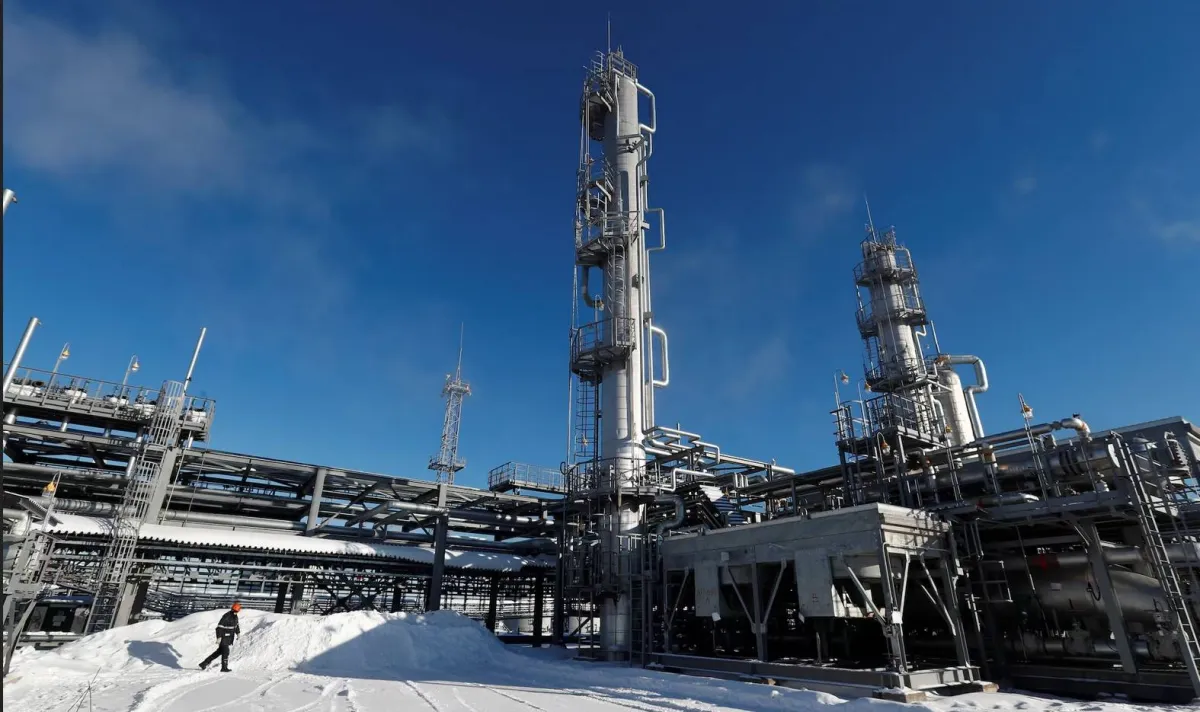
Slovak Prime Minister Robert Fico called on the European Union on Saturday to lift sanctions imposed on imports of Russian oil and gas. Fico stressed the importance of taking urgent steps to resume oil flow through the Druzhba pipeline, noting that these measures are essential to address the energy crisis resulting from ongoing conflicts in the region.
In a press statement following a phone call with Hungarian Prime Minister Viktor Orbán, Fico pointed out that the EU, particularly the European Commission, should immediately resume dialogue with Russia. He emphasized the need to ensure a political and legal environment that allows member states to compensate for lost gas and oil reserves and work on securing supplies of these strategic materials from all possible sources, including Russia.
Details of the Situation
This call comes at a time when Europe is experiencing a severe energy supply shortage, due to multiple crises affecting the global market. The war in Iran has led to a near-total closure of the Strait of Hormuz, significantly impacting oil and gas prices, which have seen sharp increases. The European economy heavily relies on energy imports, making it vulnerable to sharp price fluctuations.
In a related context, former US President Donald Trump had suspended trade sanctions on Russian maritime oil until mid-April, in an attempt to increase global supply. However, this move has not resulted in calming prices, which continue to rise, threatening global economic stability.
Context and Background
Historically, Europe has relied heavily on Russian energy, with these imports constituting a significant portion of its needs. As geopolitical tensions escalate, it has become clear that dependence on a single energy source poses significant risks. In recent years, there have been shifts in European energy policy, with some countries beginning to seek alternative energy sources.
These calls coincide with rising electricity prices in many countries, including Egypt, where prices for commercial sectors have been increased by rates ranging from 20% to 91%. These increases come amid rising global energy prices, adding pressure to local economies.
Consequences and Impact
If the EU responds to Slovakia's call, it could alleviate economic pressures on member states, particularly those suffering from high energy costs. However, resuming relations with Russia may spark internal debate within European countries, as there are still concerns about the implications of this move on national security.
Moreover, this step could reshape the dynamics of the global energy market, as other countries will seek to secure their supplies from alternative sources. Resuming oil flow through the Druzhba pipeline could also contribute to price stabilization, benefiting affected economies.
Impact on the Arab Region
The Arab region is an important part of the global energy market, with oil-producing countries such as Saudi Arabia and Qatar playing a pivotal role in meeting market needs. If sanctions on Russian oil and gas are lifted, it could affect global oil prices, impacting the economies of Arab countries that rely on oil exports.
At the same time, these developments may open the door for Arab countries to strengthen their trade relations with Europe, especially in the energy sector. Additionally, stabilizing energy prices could contribute to enhancing economic growth in the region, benefiting its people.
In conclusion, Slovakia's call for the EU to lift sanctions on Russian oil and gas is a significant step in the context of current crises. The EU's response to this call could greatly impact the future of the global energy market and local economies in the region.