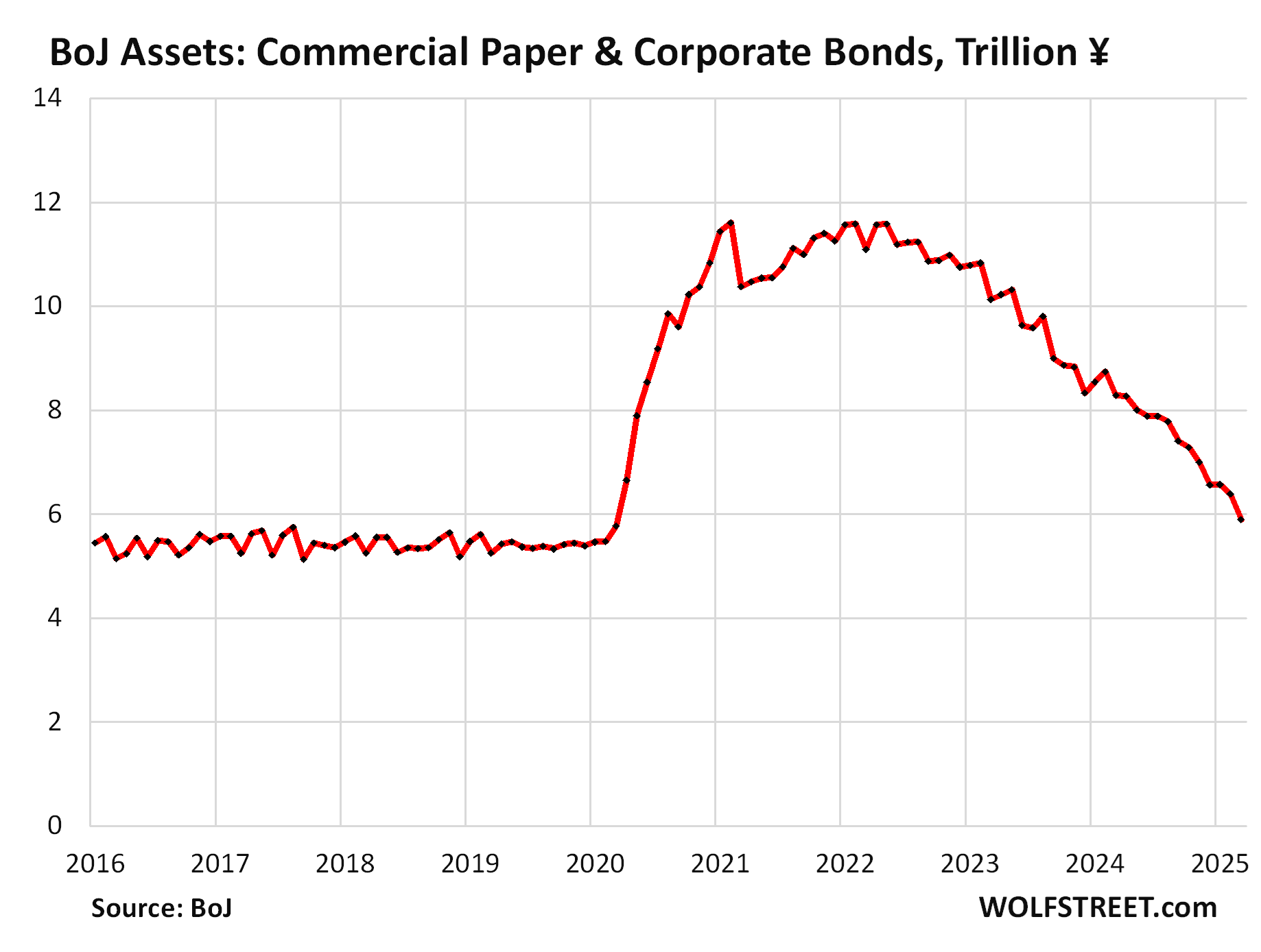
The Japanese corporate bond market has recorded its slowest pace since 2023, as investors face uncertainty due to ongoing conflicts in the Middle East. This slowdown reflects the impact of regional crises on global financial markets.
Data shows that investors have become more cautious in their investment decisions, leading to a decline in new bond issuances. Under these circumstances, investors are closely monitoring developments in the Middle East, where conflicts are affecting the stability of financial markets.
Details of the Event
Reports indicate that the Japanese bond market has seen a significant decline in the number of new issuances, with the value of recent issuances not exceeding previous levels. This decline comes at a sensitive time, as fears of escalating tensions in the Middle East increase, contributing to instability in global markets.
Investors are handling these situations with caution, resulting in decreased demand for Japanese bonds. At the same time, analysts suggest that these conditions may lead to an increase in yields on bonds, making them more attractive to some investors in the future.
Background & Context
Historically, Japan has been one of the largest bond markets in the world, characterized by strong issuances from major corporations. However, regional crises, such as the conflict in the Middle East, significantly impact investor decisions. Over the years, Japan has experienced fluctuations in the bond market due to global events, making it susceptible to external influences.
In recent years, there have been attempts to bolster the bond market by offering incentives to investors, but current conditions suggest that these efforts may not be sufficient to address the new challenges emerging on the global stage.
Impact & Consequences
The slowdown in the Japanese bond market could have widespread implications for the Japanese economy. If this trend continues, it may affect companies' ability to raise funds, potentially leading to a slowdown in economic growth. Additionally, uncertainty in the markets may drive investors to seek safe havens, increasing pressure on government bonds.
Moreover, these conditions could lead to increased volatility in global financial markets, as investors react to ongoing events in the Middle East. This interaction may affect exchange rates and commodity prices, complicating the global economic landscape.
Regional Significance
The Arab region is significantly affected by events in the Middle East, where Japanese investments play an important role in certain sectors. If the slowdown in the Japanese bond market continues, it could impact the flow of investments to the region, potentially hindering some developmental projects.
Furthermore, instability in global financial markets may increase pressures on Arab economies, especially those reliant on foreign investments. Therefore, monitoring developments in the Japanese bond market will be essential to understanding its potential impacts on the region.