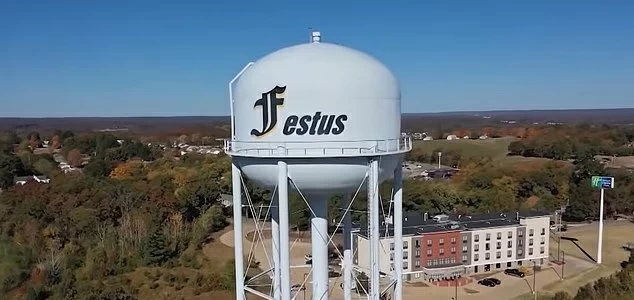
In the American state of Missouri, the quiet town of Festus achieved an unexpected victory against a $6 billion project aimed at building massive data centers to support the AI revolution. The town's residents, numbering around 14,000, decided to say 'no' to tech giants, leading to unexpected results in the local elections.
The planned project was a giant data center spanning 360 acres, with promises from politicians to bring in $32 million annually in taxes. However, the residents had a different opinion, expressing concerns about the potential environmental and social impacts.
Details of the Event
On election night, voters showed their willpower by ousting four members of the city council who supported the project, sending a clear message: 'Our future is not for sale.' The opposition was not directed against technology itself, but against the high price that residents might pay. Concerns about the immense pressure on the power grid, massive water consumption, and continuous noise for years were among the reasons that drove residents to protest.
Meeting halls turned into arenas of confrontation, with one resident shouting at the mayor amid loud applause: 'You’re next!' This scene reflects a state of anger and frustration among residents who felt unheard.
Background & Context
What happened in Festus is not an isolated case, but represents the beginning of a 'national war' in the United States against data centers. More than 90 local governments have begun imposing restrictions or outright bans on such projects, fearing energy consumption and the changing nature of small towns. As technological advancements accelerate, concerns about the impact of these projects on local communities are increasing.
Historically, data centers were seen as part of technological progress, but with rising awareness of environmental and social risks, citizens have begun to express their concerns. This phenomenon reflects a shift in how communities are dealing with modern technology.
Impact & Consequences
The repercussions of this event could be far-reaching. While the world races towards artificial intelligence, the town of Festus has proven that 'the power of the people' can stop the fast train of Silicon Valley. This success may encourage more communities to take a similar stance against projects that threaten their environment and resources.
These movements could lead to changes in local and national policies, as more officials may start listening to citizens’ demands. Additionally, this phenomenon could help raise public awareness about the importance of preserving the environment and natural resources.
Regional Significance
Looking at the Arab region, these events can serve as an important lesson. Amid the shift towards digital transformation and modern technology, Arab communities must be aware of potential risks. It is essential to involve citizens in decision-making regarding major projects that may affect their lives.
If Arab communities wish to benefit from technology, it must be done in a way that preserves the environment and citizens' rights. This experience in Festus may inspire Arab communities to engage in more dialogue and participation in important decisions.
In conclusion, what happened in Festus is a vivid example of community power in facing challenges. This could be the beginning of a new phase of awareness and protest against projects that threaten the future of communities.