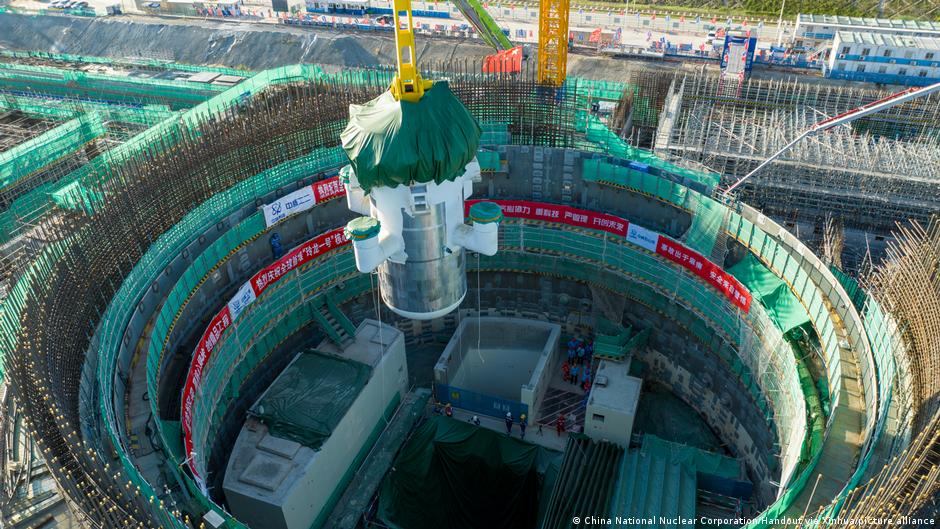
The European Union is under increasing pressure to find solutions to its escalating energy crisis, as the war in Ukraine has highlighted the over-reliance on external energy sources. In this context, small nuclear reactors are emerging as a potential option, despite differing opinions on their effectiveness.
European Commission President Ursula von der Leyen stated that moving away from nuclear energy was a "strategic mistake," prompting Brussels to reconsider its investments in this sector. Small nuclear reactors are viewed as a means to enhance energy security in Europe, with expectations that this technology will be adopted by the early 2030s.
Details of the Situation
EU member states are striving to reduce their dependence on foreign oil and gas, a goal that has become increasingly urgent following recent crises. Even Germany, which has shut down all its nuclear reactors, is witnessing discussions about a return to nuclear energy. German Chancellor Friedrich Merz described the closure decision as a "strategic mistake," while Markus Söder, the head of Bavaria, plans to build small reactors in his state.
Small nuclear reactors, which produce less than 300 megawatts of electricity, are considered a potential option to meet rising energy demands. Proponents claim they would be cheaper, faster, and safer than traditional reactors, making them attractive under current circumstances.
Background & Context
Historically, nuclear energy has been an important part of the energy mix in many European countries, contributing to a reduction in reliance on fossil fuels. However, following incidents such as Chernobyl and Fukushima, many countries have stepped back from nuclear energy. In recent years, with growing concerns about climate change, the debate over a return to nuclear energy has reignited.
European nations are pursuing their climate goals by promoting renewable energy sources, such as wind and solar, which are deemed essential for reducing carbon emissions. However, some argue that these sources do not provide continuous energy, making nuclear power an important option for providing baseload energy.
Impact & Consequences
Some experts believe that the renewed focus on nuclear energy could have negative repercussions for investments in renewable energy. Luke Haywood, head of the climate and energy department at the European Environment Bureau, points out that pouring funds into nuclear energy, especially unproven small reactors, will not solve current energy problems.
On the other hand, nuclear energy advocates argue that this technology can play a vital role in achieving clean energy goals. Small reactors are seen as part of the solutions that can provide clean and reliable energy for industrial sectors that require dependable thermal energy.
Regional Significance
As Europe seeks to bolster its energy security, Arab nations must also consider their own energy strategies. With the demand for clean energy rising, there may be opportunities for collaboration in renewable and nuclear energy sectors. Arab countries, rich in natural resources, could play a significant role in meeting global energy needs.
In conclusion, the debate over nuclear energy in Europe remains open, with opinions varying on its effectiveness. However, the need for sustainable energy solutions remains urgent, necessitating consideration of all available options.