In the heart of London, Sotheby's auction has launched Art Week, focusing on Orientalist art and reviving the memory of the East that captivated the imaginations of Western travelers. The exhibition reflects collectors' interest in authenticity and historical accuracy, transcending traditional debates about Orientalism to become aesthetic documents that mirror the depth of history and culture.
Under the spotlight of the "Orientalist Art" auction for Spring 2026, the prestigious Sotheby's has prepared its halls to welcome a collection of artworks representing the pinnacle of creativity in this genre. The displayed works are not merely art pieces; they are a visual restoration of a historical and geographical memory that stretches from the banks of the Nile to the walls of Constantinople.
Event Details
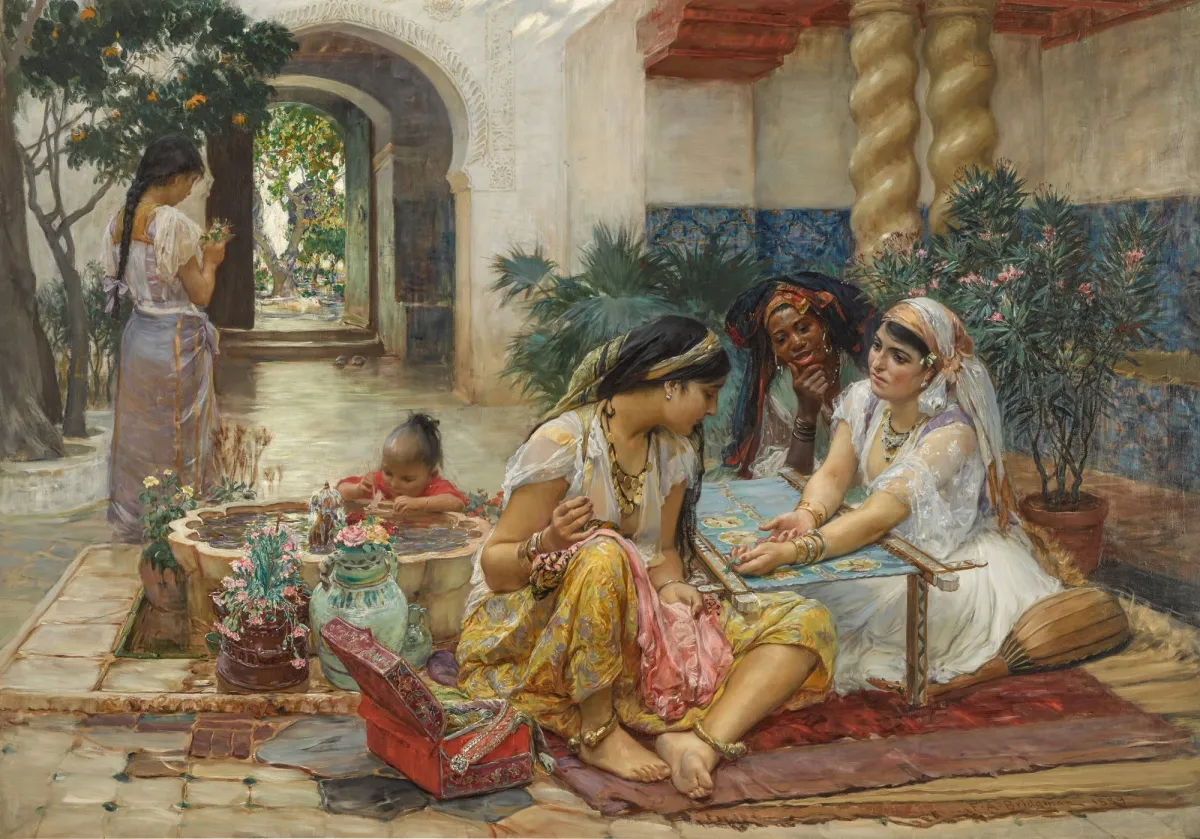
The auction features paintings by prominent artists such as Frederic Arthur Bridgman, whose painting "In the Village of the Abyar, Algeria" dominates the scene. This painting embodies Bridgman's artistic maturity, capturing the bright Mediterranean light and reflecting the details of daily life in Algeria. The estimated value of the painting ranges between £150,000 - £200,000, reflecting its rarity and appeal to collectors.
The auction also includes works by other artists such as Jean-Léon Gérôme and Ludwig Deutsch, with estimated values for these works ranging from £50,000 for small sketches to over £300,000 for larger paintings. This diversity in pricing reflects Sotheby's strategy to attract a wide range of collectors.
Background & Context
Orientalist art, which emerged in the 19th century, reflects the Western view of the East and has seen increasing interest from Arab and global collectors in recent years. This interest signifies a shift in how these works are perceived, as they are now considered a cultural heritage worthy of restoration and appreciation.
Historically, Orientalist artworks were seen merely as embodiments of exoticism, but today, collectors are leaning towards seeking authenticity and historical accuracy embodied in these works. This shift also reflects a change in the artistic taste of collectors, who are eager to acquire art pieces that carry historical and cultural value.
Impact & Consequences
The significance of this auction transcends financial dimensions, as it also reflects a transformation in the understanding of Orientalist art. The displayed works are not just art pieces; they serve as a bridge connecting cultures and enhancing mutual understanding between East and West. This auction contributes to reshaping the stereotype of the East and elevates the status of Orientalist art in the global art scene.
Moreover, the growing interest in Orientalist art reflects a desire to reclaim cultural and historical roots, which contributes to strengthening the cultural identity of the region. This transformation may open new horizons for cultural and artistic cooperation between Arab countries and Western nations.
Regional Significance
The auction represents an opportunity for Arab collectors to reclaim part of their cultural and artistic heritage, enhancing their status in the global art market. Additionally, this interest in Orientalist art may contribute to boosting cultural tourism in the region, attracting more visitors interested in art and history.
In conclusion, the auction remains an opportunity to rediscover the aesthetics of the East, reflecting art's ability to transcend cultural and geographical boundaries. The revival of Orientalist art is not merely a commercial endeavor but also a restoration of cultural memory that enhances identity and belonging.