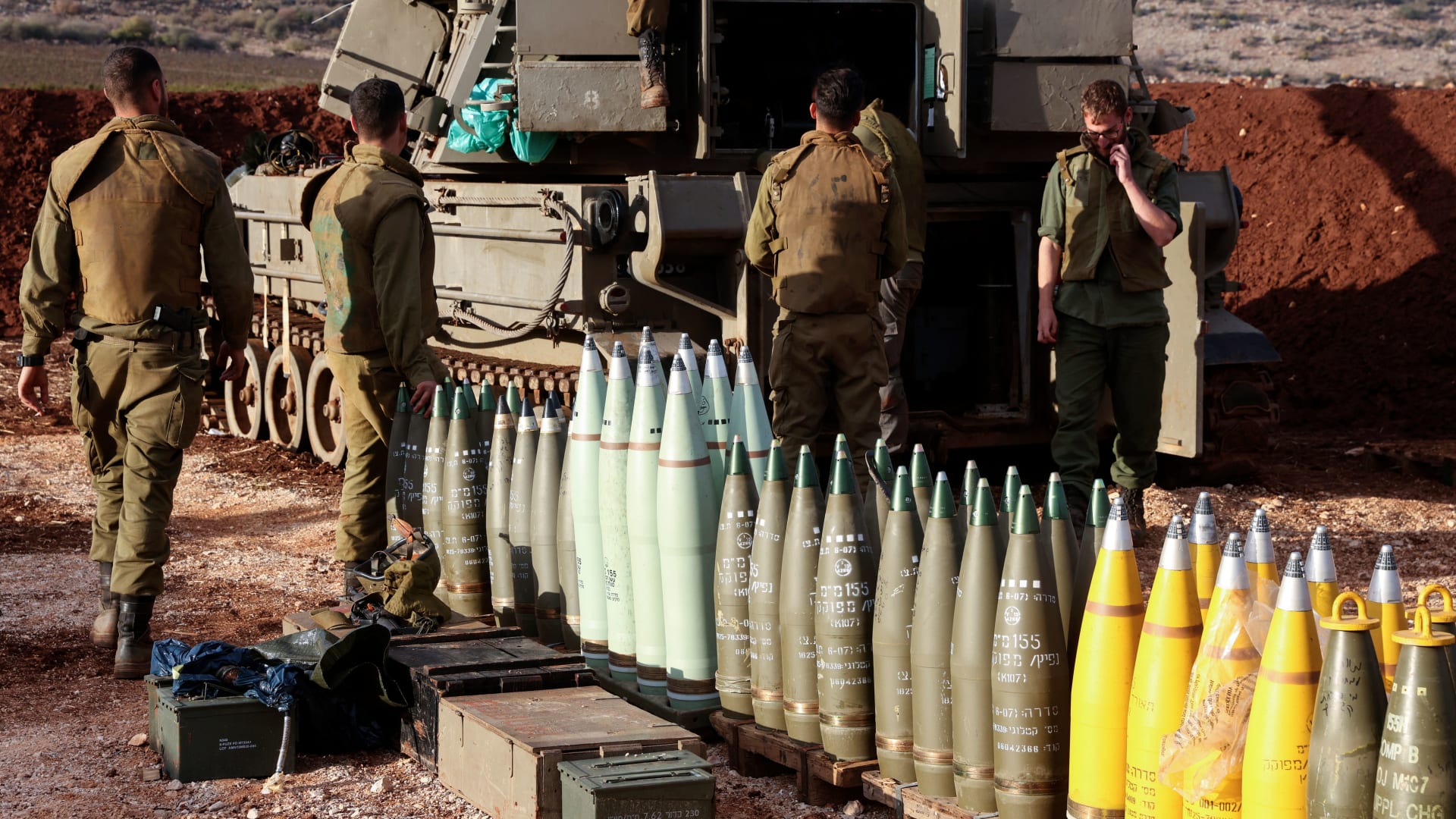
Alarms were sounded across wide areas of central Israel, including parts of Jerusalem and the occupied West Bank, after Israeli forces detected missile attacks believed to be launched from Iran. The Israeli army confirmed that air defense systems are working to counter these threats, reflecting the escalating tensions in the region.
In an official statement, Israeli forces noted that "defense systems are intercepting the threat," indicating their readiness to face any potential attacks. These events come at a sensitive time, as fears of military escalation in the region are rising due to ongoing tensions between Iran and Israel.
Details of the Incident
This incident is part of a series of escalating tensions between Iran and Israel, with both countries exchanging accusations regarding their support for armed groups in the region. In recent years, Iran has increased its support for armed groups in Lebanon and Syria, leading to Israeli concerns about direct threats to its territory.
The alarms come at a time when fears of a potential military escalation are growing, as Israel has conducted several airstrikes on Iranian sites in Syria, intensifying tensions between the two sides. Additionally, these events occur at a critical time for Israel, which faces multiple security challenges on various fronts.
Background & Context
Historically, relations between Iran and Israel have been extremely tense, with Iran considering Israel a major enemy in the region. Since the Islamic Revolution in 1979, Iran has adopted an antagonistic policy towards Israel, supporting numerous armed groups aimed at resisting Israeli occupation. In recent years, these tensions have significantly increased, especially with the rise of Iranian military activities in Syria.
The Iranian nuclear deal reached in 2015, from which the United States withdrew in 2018, has heightened Israeli fears that Iran may seek to acquire nuclear weapons. These concerns have led to increased Israeli military preparations, including the development of air defense systems.
Impact & Consequences
These events are indicative of rising tensions in the region and could lead to greater military escalation between Iran and Israel. If these attacks continue, Israel may be compelled to take more severe military actions, potentially provoking reactions from Iran or its allies in the region.
Moreover, these events could affect regional and international relations, as major powers seek to mediate conflicts in the area. Any military escalation could complicate peace efforts in the Middle East and increase instability in the region.
Regional Significance
These events are of significant importance to Arab countries, as any military escalation between Iran and Israel could impact regional security. Many Arab nations, especially those sharing borders with Iran, may feel concerned about the rising military tensions.
Furthermore, any escalation could lead to an influx of refugees or increased sectarian tensions in the region, potentially affecting the stability of Arab states. Therefore, close monitoring of these events is essential for understanding future developments in the region.