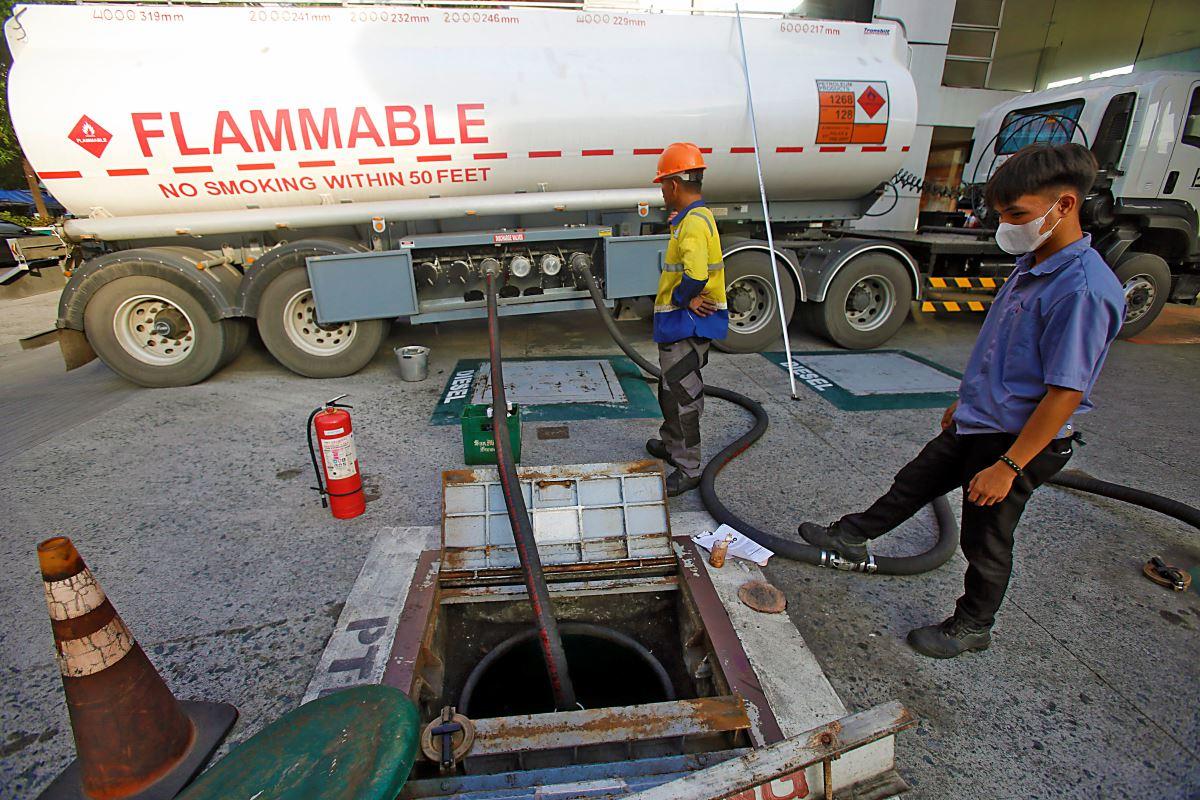
South Africa has recently witnessed a record surge in diesel prices, with costs reaching unprecedented levels. This increase comes at a time when the government announced a reduction in fuel taxes, leaving both citizens and analysts perplexed.
According to reports, diesel prices have risen by as much as 10% in some areas, exacerbating the financial burdens on households and businesses that heavily rely on this type of fuel. Under these circumstances, many are questioning the reasons behind this sudden spike, especially following the government's tax cut decision.
Details of the Incident
Fuel prices in South Africa are among the highest in the world, and the country has seen a series of increases over the past few years. Despite the reduction in fuel taxes, diesel prices have not decreased; instead, they continue to rise, raising questions about the effectiveness of government policies in addressing this issue.
Data indicates that diesel prices in some regions have reached around 30 rand (approximately $1.80) per liter, representing a significant increase compared to previous prices. This situation negatively impacts transportation and production costs, further increasing pressure on the local economy.
Background & Context
Historically, South Africa has experienced significant fluctuations in fuel prices, influenced by various factors including global oil price volatility, local taxes, and economic policies. In recent years, the government has sought to alleviate burdens on citizens by reducing taxes, but it appears that these policies have not been sufficient to counteract the rising pressures.
The transportation industry is among the most affected by rising diesel prices, as many companies depend on this type of fuel for their daily operations. With prices continuing to climb, companies may be forced to raise service prices, impacting consumers and increasing inflation rates.
Impact & Consequences
This rise in diesel prices could have widespread repercussions on the South African economy. With increased transportation and production costs, many businesses may consider downsizing operations or even laying off workers. This could lead to higher unemployment rates, placing additional burdens on both the government and citizens.
Furthermore, the increase in fuel prices may affect citizens' purchasing power, as many will have to allocate a larger portion of their income to cover transportation and basic needs. This situation could result in a decline in living standards and an increase in poverty rates.
Regional Significance
Fuel prices are also a sensitive issue in many Arab countries, where some nations are experiencing similar price hikes. Given the heavy reliance on oil and gas, fluctuations in prices in South Africa may impact Arab markets, especially considering the trade and economic links between countries.
In conclusion, the question remains as to how the South African government will address this crisis and whether it will take additional steps to alleviate burdens on citizens and businesses. The current situation requires a swift and effective response to ensure the stability of the local economy and improve living conditions for citizens.