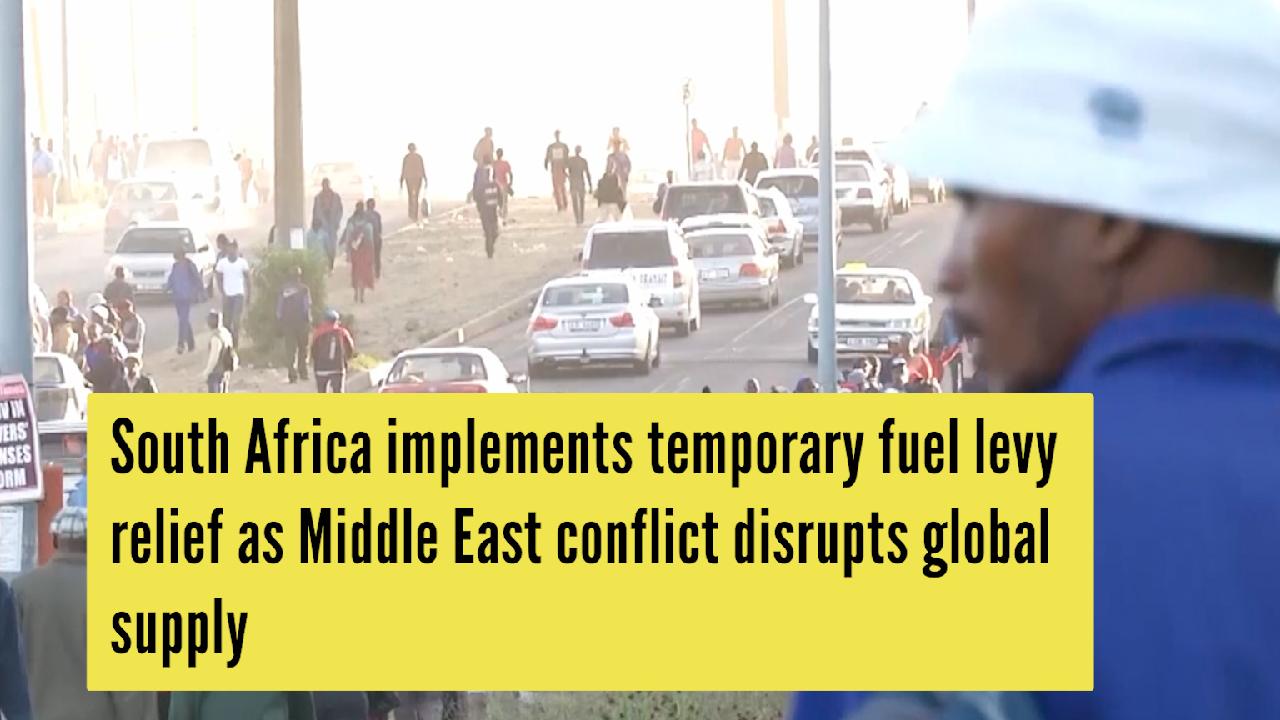
In an unprecedented move, the South African government announced the suspension of a planned increase in fuel tax as part of its efforts to alleviate financial burdens on citizens amid a sharp rise in global oil prices. This decision comes at a time when consumers are facing increasing economic pressures due to fluctuations in global markets.
The government aims through this measure to support families and businesses struggling with rising fuel costs, which directly impact the prices of goods and services. This suspension is expected to continue until May, providing consumers with some relief during these challenging times.
Details of the Announcement
This step follows a notable increase in global oil prices, which have risen significantly due to several factors, including geopolitical tensions and increasing energy demand. These increases have affected fuel prices in South Africa, prompting the government to take swift action to mitigate their effects.
Fuel is considered one of the essential elements in citizens' lives, as it directly influences transportation costs and the prices of basic goods. Therefore, any increase in fuel prices leads to a rise in the cost of living, placing additional pressure on low-income families.
Background & Context
Historically, South Africa has experienced significant fluctuations in fuel prices, leading the government to adopt various policies to address these challenges. In recent years, there have been numerous attempts to increase fuel taxes as part of the government's efforts to boost public revenues, but these policies often face strong opposition from citizens.
In 2022, the government announced a fuel tax increase, but with the rise in global prices, it recognized the need to reconsider these decisions. The current suspension demonstrates the government's quick response to market demands and citizens' needs.
Impact & Consequences
This decision is expected to have a positive impact on consumers in South Africa, as it will help alleviate the financial pressures they face. Additionally, this measure may enhance citizens' confidence in the government and its ability to handle economic crises.
However, the biggest challenge remains how to maintain the balance of the public budget amid these decisions. The government may need to seek alternative revenue sources to compensate for the gap resulting from the suspension of the tax increase.
Regional Significance
Oil prices are a vital issue affecting the global economy, including Arab countries. The rise in oil prices impacts the budgets of both producing and consuming nations. While South Africa takes steps to ease burdens on its citizens, Arab nations may need to reconsider their fuel tax policies to address economic challenges.
Ultimately, South Africa's decision highlights the importance of a swift response to global economic changes and reflects the need for flexible policies that support citizens during crises.