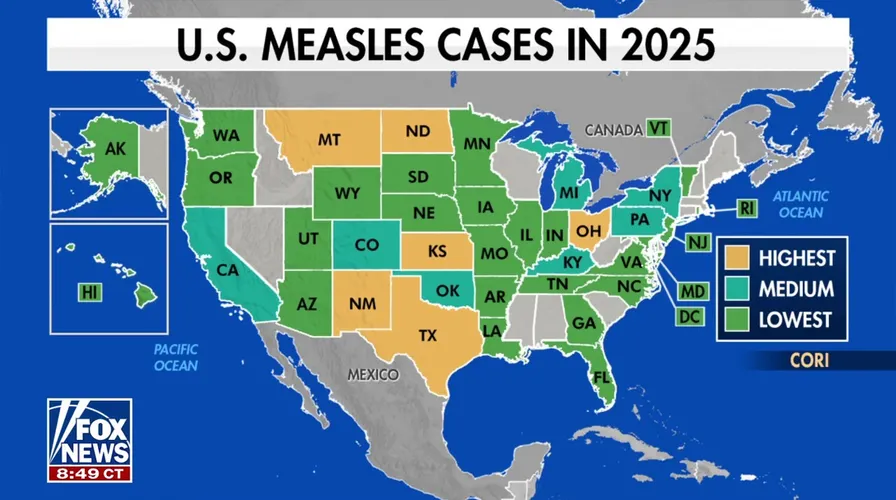
Health authorities in South Carolina, USA, have declared the end of the measles outbreak that affected nearly 1000 people in recent weeks. This announcement comes after significant efforts by medical teams to provide vaccinations and raise health awareness, contributing to the control of the situation.
The measles outbreak began earlier this year, with a noticeable increase in the number of cases reported in the state. This situation raised considerable concern among the population, prompting authorities to take swift action to address the crisis.
Details of the Outbreak
The first case of measles in South Carolina was recorded early in the year, and as cases increased, the Department of Health launched intensive vaccination campaigns. Vaccines were made available for free at numerous health centers, which helped reduce the spread of the disease.
A series of awareness campaigns were also organized to educate citizens about the importance of vaccination and ways to prevent the disease. Reports indicated that many of the cases were among children who had not received the vaccine, highlighting the critical role of vaccination programs in protecting the community.
Background & Context
Historically, measles has been a common disease affecting children, but with the advancement of vaccination programs, the incidence of cases has significantly decreased in many countries. However, the emergence of new cases in some areas reflects the ongoing challenges faced by public health systems.
In recent years, the United States has seen an increase in measles cases, raising concerns about the effectiveness of vaccination programs. This phenomenon is partly attributed to the spread of misinformation regarding vaccines, leading to a decline in vaccination rates in certain communities.
Impact & Consequences
The conclusion of the measles outbreak in South Carolina represents a victory for health efforts, but it also underscores the urgent need to strengthen vaccination programs. Controlling infectious diseases requires ongoing collaboration between health authorities and local communities.
This situation serves as a reminder of the importance of disease prevention through vaccination, especially in light of the challenges communities face in combating misinformation. Furthermore, this success could serve as a model for other regions facing similar issues.
Regional Significance
Considering the health situation in the Arab region, outbreaks of infectious diseases like measles continue to pose a threat. Many Arab countries face challenges in vaccination programs due to conflicts or resource shortages.
The experience of South Carolina can provide valuable lessons for Arab countries on how to handle disease outbreaks, as it requires a rapid response and cooperation among various stakeholders.