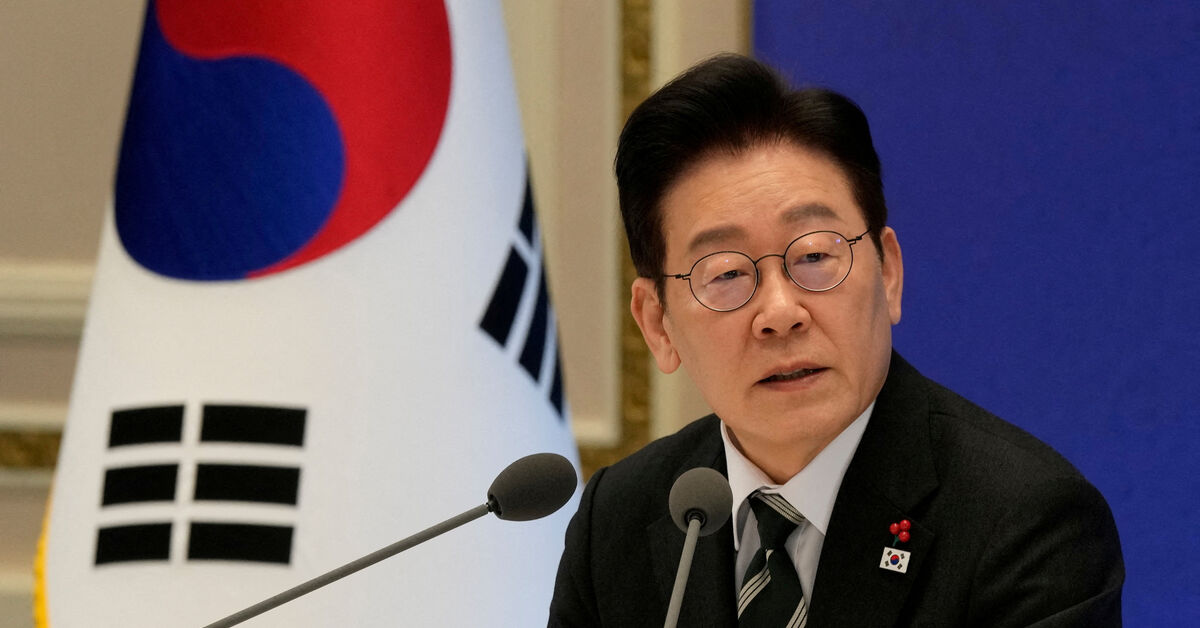
South Korean President Lee Jae-myung has called on parliament to expedite the approval of an additional budget of 26.2 trillion won (approximately $17.3 billion) to bolster the national economy in light of what he described as the "worst threat to energy security" due to the current crisis in the Middle East. This statement was made during a televised address to parliament on Thursday, where he stressed that the situation requires rapid and effective action.
Lee pointed out that even if the conflict were to end tomorrow, the reconstruction of the devastated energy infrastructure in the Middle East would take a long time, which would affect the flow of supplies as it once was. He anticipated that the additional budget would be passed by April 10 of this year.
Details of the Appeal
This call comes at a sensitive time, as many countries are suffering from the repercussions of the crisis in the Middle East, which has led to rising energy prices and increased pressure on the global economy. The South Korean president noted that this additional budget would help support the affected sectors and provide economic protection for citizens.
Lee also emphasized the importance of a swift government response to these challenges, indicating that delays in decision-making could exacerbate economic conditions. This move is considered part of the government's strategy to enhance economic stability amid changing global conditions.
Background & Context
Historically, the Middle East has always been a vital hub for global energy supplies, with many countries relying on oil and natural gas extracted from this region. As political and military conflicts have escalated in recent years, energy security has become a critical issue affecting the global economy.
In recent years, South Korea, which is one of the largest oil importers in the world, has experienced negative impacts due to fluctuations in energy prices. Recurring crises in the Middle East have heightened concerns about supply stability, prompting the government to take proactive measures to ensure energy security.
Impact & Consequences
This additional budget is expected to positively impact the South Korean economy, as it will help enhance investments in the energy and infrastructure sectors. Furthermore, this step may strengthen the country's ability to face future challenges related to energy security.
Moreover, government support for the affected sectors could contribute to reducing unemployment and improving the standard of living for citizens, reflecting the government's commitment to achieving economic and social stability.
Regional Significance
The current crisis in the Middle East has direct implications for Arab countries, many of which rely on oil and gas revenues. If the crises persist, Arab economies could be significantly affected, necessitating effective strategies to adapt to these changes.
Additionally, South Korea's economic moves may reflect new trends in economic relations between Arab countries and South Korea, potentially opening new avenues for cooperation in the fields of energy and trade.
The ongoing crisis in the Middle East represents a significant challenge not only for South Korea but for the entire world. A swift and effective response from all concerned countries is required to ensure the stability of energy markets and achieve sustainable development.