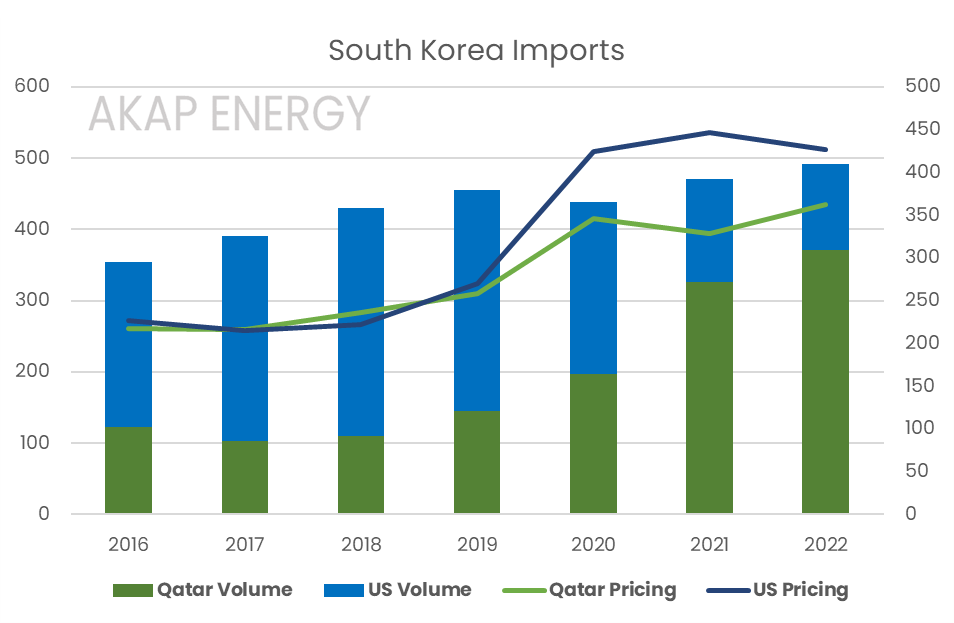
Government sources in South Korea have confirmed that the country has enough helium reserves to last until at least June, easing concerns about the impact of the Iranian conflict on essential gas supplies for the semiconductor industry. This confirmation comes at a time when helium prices have seen a significant increase due to disruptions in natural gas production in Qatar, the world's largest supplier of liquefied natural gas.
A government official told Reuters that South Korean companies, which include some of the world's largest chip manufacturers such as Samsung Electronics and SK Hynix, have helium stocks sufficient to meet their needs during the first half of the year. The official explained that companies are currently paying high prices to secure their supplies, particularly from the United States, as this step is a top priority regardless of the costs.
Event Details
During a cabinet meeting, Minister of Industry Kim Jong-kwan reassured President Lee Jae-myung that disruptions in helium supplies during the first half of the year are unlikely, although he did not provide further details. Other sources indicated that companies like Samsung and SK Hynix have helium reserves that could last between four to six months, strengthening their position against potential disruptions.
These companies import helium from both the United States and Qatar, which helps mitigate the impact of any supply interruptions from Qatar. It is noteworthy that Qatar produces about one-third of the world's helium supplies, ranking second after the United States. Iranian attacks on gas facilities in Qatar have led Qatar Energy to declare force majeure to its customers.
Background & Context
Helium and bromine supplies are considered essential materials in the semiconductor industry, and Samsung and business groups have warned that the ongoing conflict in Iran could lead to supply disruptions, in addition to rising energy costs. These warnings come at a sensitive time, as companies seek to secure their supplies amid increasing geopolitical tensions.
Last week, Taiwan, another major hub for the semiconductor industry, announced that its helium supplies are stable. However, some companies in the semiconductor supply chain reported that they have begun to feel some production impacts, raising concerns about the stability of global supplies.
Impact & Consequences
Helium supplies are vital for the semiconductor industry, as they are used in various manufacturing processes. Any disruptions in these supplies could lead to a slowdown in production, affecting manufacturers and increasing the prices of final products. Additionally, rising helium prices could negatively impact production costs, potentially leading to higher electronics prices in global markets.
The head of SK Group, Choi Tae-won, pointed out that tensions in the Middle East are one of the reasons behind rising energy costs, prompting the group to seek alternative energy sources. This situation reflects the challenges companies face amid changing geopolitical conditions.
Regional Significance
The Arab region is directly affected by ongoing conflicts in the Middle East, with countries like Qatar playing a pivotal role in natural gas supplies. Any escalation in the Iranian conflict could impact the stability of gas supplies in the region, reflecting on global energy prices. Moreover, any disruptions in helium supplies could affect the electronics industry in Arab countries, which increasingly rely on modern technology.
In conclusion, the situation in South Korea exemplifies how geopolitical events can impact global supply chains. Companies and nations must be prepared to face future challenges amid changing conditions.