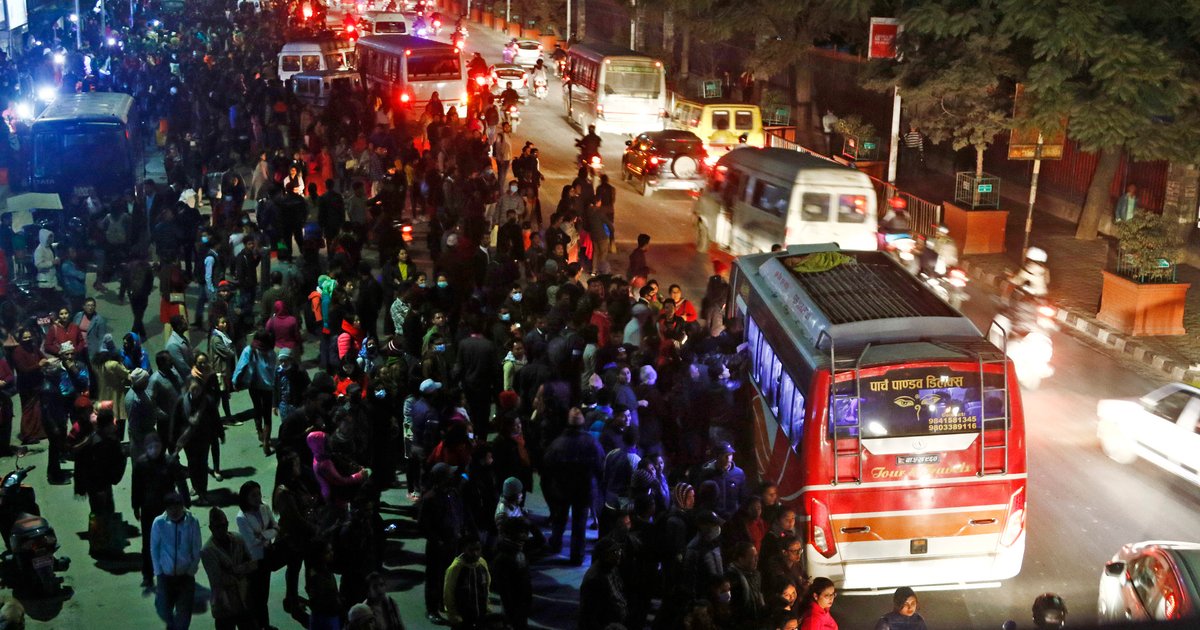
South Korean authorities have announced a new system regulating the use of government vehicles based on their license plate numbers to address the fuel crisis caused by tensions in the Middle East. This system will take effect on April 8, following an increased warning level regarding oil supply shortages. According to reports, vehicles with odd-numbered plates will be allowed to operate on odd days, while those with even-numbered plates will be restricted to even days.
This new system exempts electric and hydrogen vehicles, as well as vehicles transporting people with disabilities and pregnant women, which represent about 25% of the total vehicles. Additionally, participation from the private sector in this system will be voluntary, although access to public parking managed by the government will be limited.
Details of the Implementation
This initiative is part of the South Korean government's efforts to reduce fuel consumption, as this system is expected to cut additional oil consumption by up to 37.5%, equivalent to approximately 17,000 to 87,000 barrels per month. Restrictions on the use of government vehicles were tightened on March 24, with vehicles categorized into five groups based on the last digit of their license plates, prohibiting each group from traveling on specific workdays.
In a related context, the government decided to raise the alert level regarding the oil resource security crisis from level two to level three, effective April 2. This decision comes amid escalating tensions in the Middle East, where the region has witnessed an increase in conflicts, negatively impacting global oil supplies.
Background & Context
Historically, South Korea has heavily relied on oil imports, with approximately 70% of its oil imports passing through the Strait of Hormuz. Recently, the region has seen an escalation in conflicts, with the United States and Israel conducting strikes on targets in Iran, leading to heightened tensions and threats to oil supplies. Iran has responded to these attacks by targeting areas in Israel and U.S. military sites in the Middle East, further increasing instability in the region.
It is noteworthy that the rise in oil prices due to these conflicts directly impacts the South Korean economy, prompting the government to take swift action to curb fuel consumption.
Impact & Consequences
These new policies are expected to affect traffic flow in major cities, as drivers will need to plan their trips according to these restrictions. Furthermore, these measures may encourage citizens to consider using public transportation or electric vehicles as alternatives.
This step is part of a broader strategy aimed at enhancing sustainability and reducing dependence on fossil fuels, aligning with global trends towards clean energy. However, the government may face challenges in implementing these policies, especially in light of some citizens' resistance.
Regional Significance
Arab countries are directly affected by these crises, as the Gulf region is a major oil source. Any escalation in conflicts in the Middle East could lead to increased oil prices, impacting Arab economies that heavily rely on oil revenues. Additionally, these crises may prompt changes in energy policies in Arab nations, necessitating a reconsideration of energy diversification.
In conclusion, these developments reflect the significant challenges faced by nations amid global crises and underscore the importance of regional and international cooperation to effectively address these issues.