In a move aimed at addressing the economic challenges posed by rising energy prices, South Korea has proposed an additional budget of 26.2 trillion won, equivalent to approximately $17.1 billion. This step comes at a time when the Korean economy is suffering from the effects of ongoing conflicts in the Middle East, which have led to a shortage in energy supplies.
The new budget includes an allocation of about 10.1 trillion won specifically to alleviate the burdens resulting from high oil prices. It also encompasses measures to support exporters and increase grants to local governments. Park Hong-kyun, the Minister of Planning and Budget, emphasized that swift financial support is essential to ease the pressures on citizens' livelihoods and ensure the continuation of the economic recovery that the government has worked hard to revive.
Details of the Financial Package
The new financial package includes an allocation of 5 trillion won to impose a cap on oil prices, which was announced by President Lee Jae-myung on March 9. Additionally, the government will increase reimbursements for public transport tickets nationwide, as well as allocate 4.8 trillion won in consumer vouchers ranging from 100,000 won to 600,000 won per person for low-income households.
Other measures in the relief package include providing fuel support for farmers and fishermen, as well as for operators of small vessels. This budget is expected to be funded by tax revenues generated from the booming semiconductor exports and the rising stock market, according to Park.
Background & Context
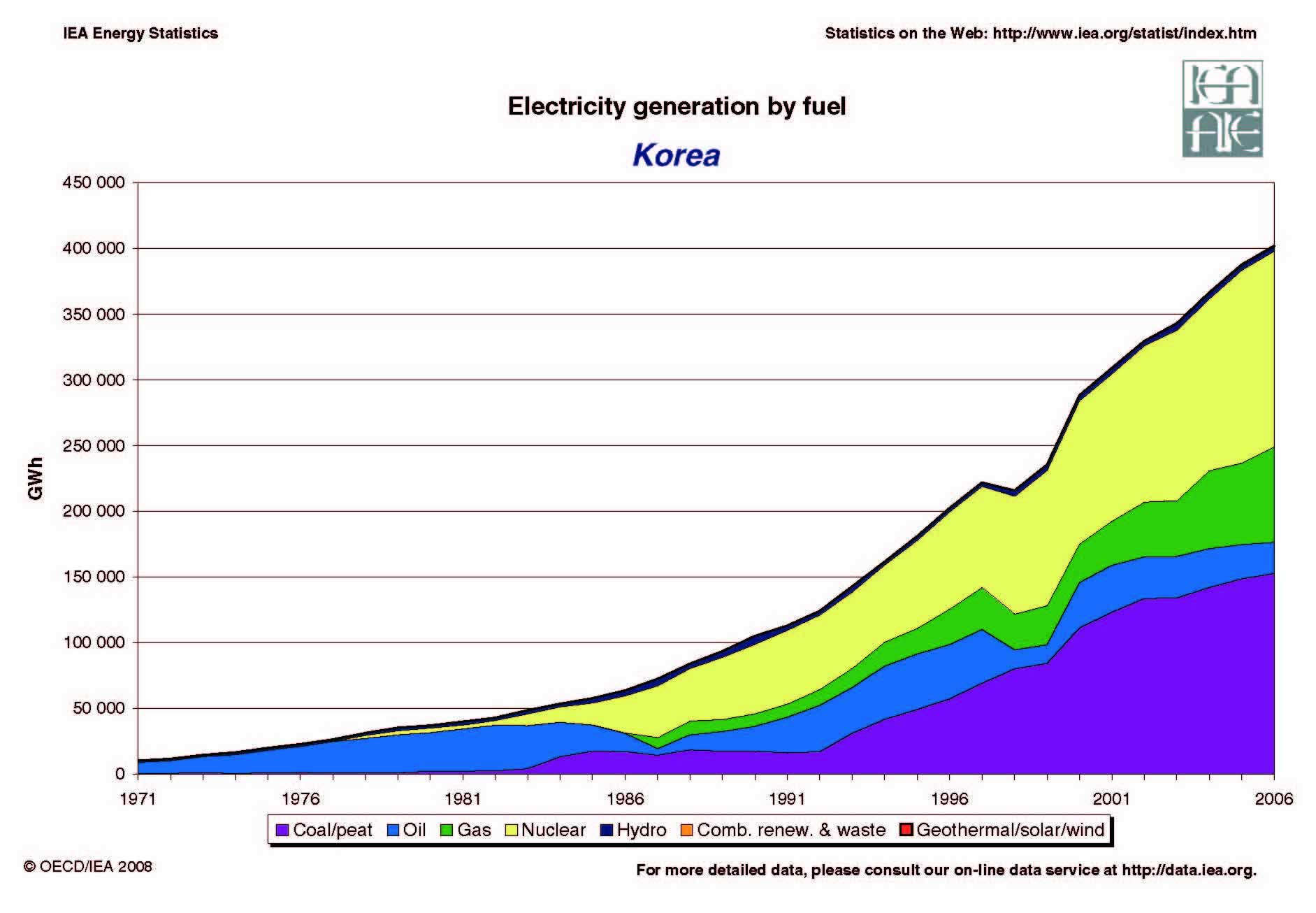
South Korea is the fourth-largest economy in Asia, importing approximately 94% of its energy needs, with 72% of its crude oil coming from the Middle East. Oil prices have seen a significant increase since the United States and Israel launched strikes on Iran on February 28, which has greatly impacted Asian economies, especially those heavily reliant on imports from the Middle East.
This move comes at a sensitive time, as the South Korean economy seeks to recover from the negative impacts of the COVID-19 pandemic, which led to significant fluctuations in global markets.
Impact & Consequences
This additional budget is expected to have a positive impact on households and businesses in South Korea, as it will help alleviate the economic pressures caused by rising energy prices. Furthermore, these measures may enhance consumer confidence and help drive economic growth in the country.
However, the biggest challenge remains how to manage geopolitical tensions in the Middle East, which could affect the stability of energy prices in the future. The ongoing conflict in this region may lead to further market fluctuations, requiring the South Korean government to take proactive measures to address any potential crises.
Regional Significance
Arab countries are directly affected by tensions in the Middle East, as the region is a major source of energy. The rise in oil prices due to conflicts may impact the economies of Arab nations, especially those heavily reliant on oil exports. Additionally, any escalation in conflict could negatively affect the stability of the region and impact economic relations between Arab countries and South Korea.
In conclusion, the additional budget proposed by South Korea represents an important step in addressing current economic challenges. However, there remains hope that the international community can find peaceful solutions to conflicts in the Middle East, contributing to the stabilization of energy prices and fostering economic growth throughout the region.