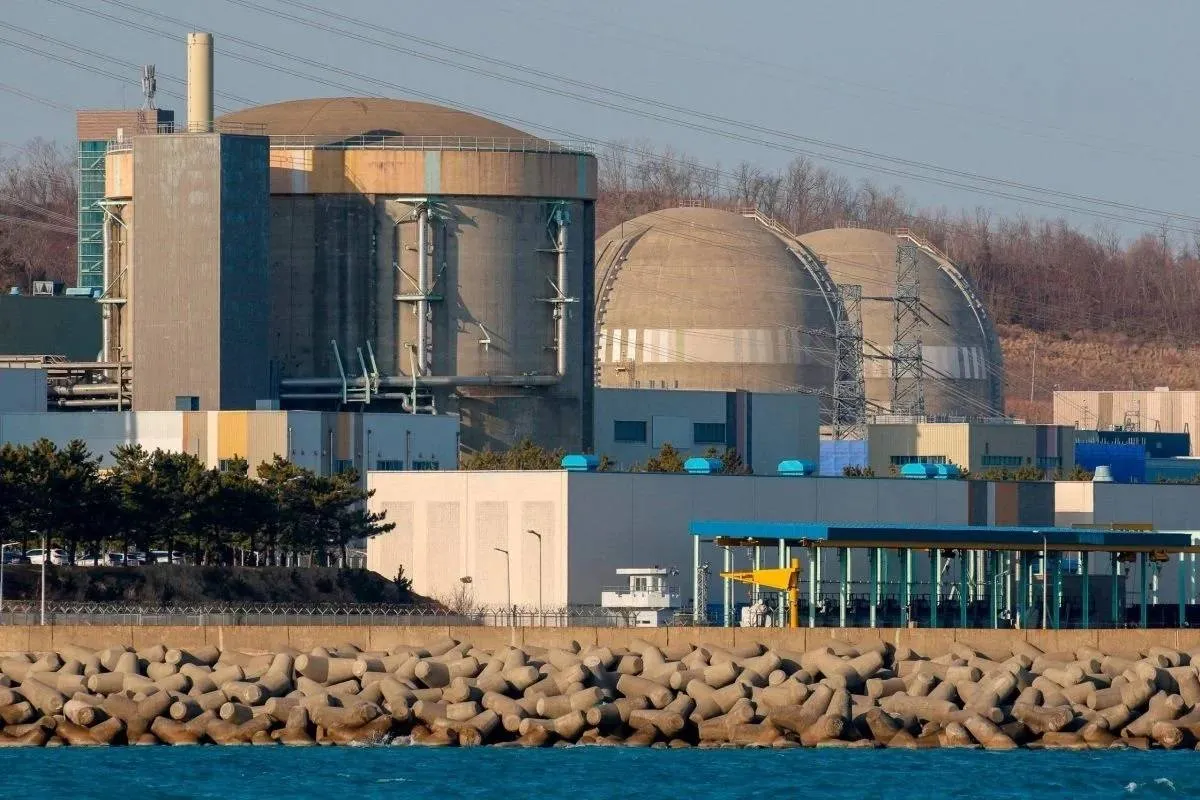
On Saturday, the Korea Hydro & Nuclear Power Company restarted a nuclear reactor that had been offline, as part of the country's efforts to bolster energy supplies in light of global disruptions stemming from the conflict in the Middle East.
The reactor, known as Gori Unit 2, was brought back online after three years of inactivity, having reached the end of its operational lifespan of 40 years. According to Bloomberg, this move comes at a time when the country faces significant challenges in securing energy sources.
Details of the Event
The CEO of Korea Hydro & Nuclear Power, Kim Ho-chun, emphasized that "the continuous operation of nuclear power plants in accordance with safety standards is a vital means to ensure national energy security, especially amid ongoing instability in energy supplies."
It is noteworthy that the reactor's restart followed the approval of the South Korean Nuclear Safety and Security Commission in November of last year, which extended the reactor's operations until April 2033. This decision reflects a growing trend towards reliance on nuclear energy as part of the national energy strategy.
Background & Context
The conflict in the Middle East, particularly the war in Iran, has disrupted shipping in the Strait of Hormuz, leading to a sharp rise in oil prices. Oil prices have surged to record levels, with some predicting they could reach $150 per barrel if the conflict continues.
In this context, five finance ministers from European Union countries have called for a tax on the extraordinary profits of energy companies, a move aimed at addressing the repercussions of rising fuel prices. This appeal reflects the growing concern over the war's impact on the global economy.
Impact & Consequences
Many countries, including Senegal, have been affected by rising oil prices, prompting the Senegalese government to halt all non-essential international travel for ministers and senior officials. Senegalese Prime Minister Ousmane Sonko noted that oil prices have reached around $115 per barrel, putting pressure on the national budget.
The war in Iran and the closure of the Strait of Hormuz have significantly impacted global energy markets, prompting governments to take urgent measures to mitigate the effects of this crisis. Additional actions are expected from governments in the region to address these challenges.
Regional Significance
These developments are particularly significant for the Arab region, where many countries rely on energy supplies from the Gulf. The rise in oil prices may affect the economies of Arab nations, necessitating new strategies to adapt to these changes.
In conclusion, the restart of the nuclear reactor in South Korea reflects the global challenges countries face in securing energy supplies and highlights the importance of nuclear energy as a strategic option amid increasing crises.