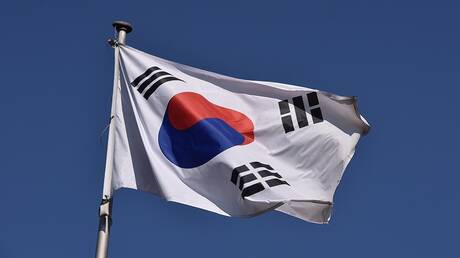
In a strategic initiative aimed at securing oil supplies, South Korea has announced its intention to send special envoys to three Arab nations. This decision comes amid increasing recognition of the risks associated with importing oil from the Middle East, particularly due to ongoing disruptions in the Strait of Hormuz, which is considered one of the most crucial maritime routes for oil transportation.
South Korea, which heavily relies on imported oil, is seeking to diversify its oil supply sources. The Middle East is the primary supplier of oil for South Korea, making it vulnerable to political and economic fluctuations in the region. Thus, the dispatch of envoys to Arab countries aims to strengthen economic ties and ensure stable supplies.
Details of the Initiative
South Korea intends to send envoys to Saudi Arabia, the United Arab Emirates, and Qatar. These countries are among the largest oil producers in the world, making them strategic destinations for South Korea in its quest to secure oil supplies. During their visits, the envoys are expected to discuss enhancing bilateral cooperation in energy and trade.
This move follows sharp fluctuations in oil prices due to geopolitical events in the region, which have impacted global markets. South Korea has expressed concern over the effects of these disruptions on the stability of oil supplies, prompting it to explore alternative options.
Background & Context
Historically, South Korea has relied heavily on oil imported from the Middle East, which constitutes approximately 70% of its total oil imports. With rising tensions in the region, including military conflicts and security threats, it has become essential for South Korea to reassess its strategies for securing energy supplies.
The relations between South Korea and Arab countries have historically been strong, with recent years witnessing an increase in cooperation across various fields, including energy and technology. However, current challenges necessitate further efforts to strengthen these relationships and expand the scope of cooperation.
Impact & Consequences
This initiative could significantly affect global oil markets, as any changes in oil supplies from Arab nations may lead to price fluctuations. Additionally, strengthening relations between South Korea and Arab countries could contribute to stabilizing oil markets if effective cooperation is achieved.
Moreover, this step may open new avenues for economic collaboration between South Korea and Arab nations, enhancing investment and trade opportunities in the future. Strengthening energy relations could also contribute to achieving sustainability goals for both parties.
Regional Significance
For Arab countries, enhancing relations with South Korea could lead to increased investments and cooperation in various sectors. South Korea is considered an important partner in technology and infrastructure, which could benefit Arab economies.
In light of global economic challenges, strengthening cooperation with South Korea may contribute to achieving sustainable development in the region and enhance the ability of Arab nations to face future challenges.
In conclusion, South Korea's decision to send envoys to Arab countries is a strategic move aimed at securing oil supplies and enhancing economic relations. Given the current circumstances, this initiative is deemed essential for ensuring energy stability in the country.