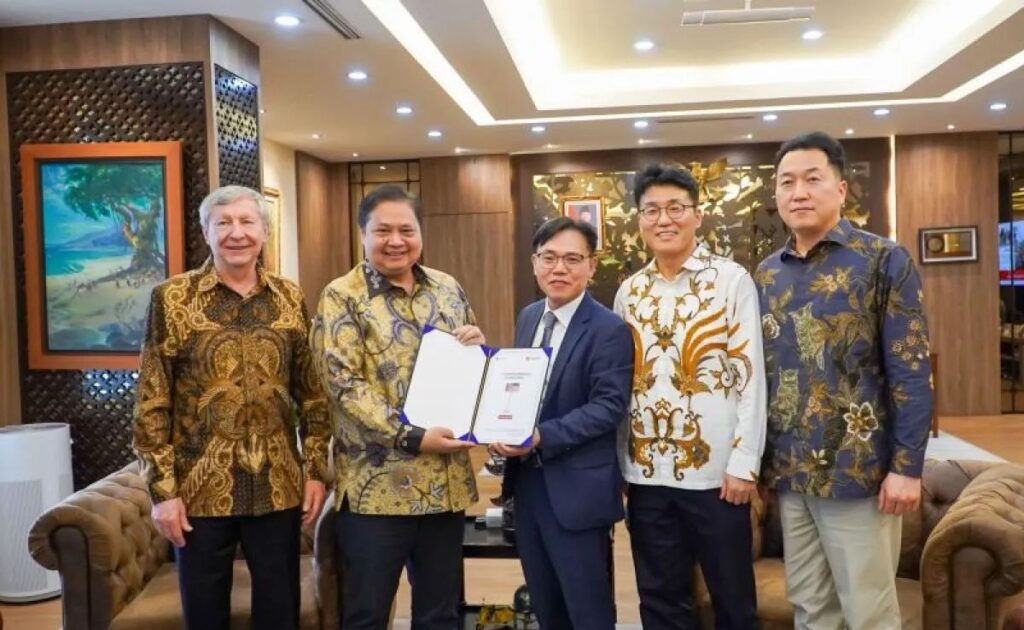
In its efforts to bolster energy security, South Korean Finance Minister Ko Yun-chul convened with ambassadors from Gulf Cooperation Council (GCC) countries last Friday. The discussions centered on ensuring energy supplies and the safety of Korean ships in the Strait of Hormuz. This meeting comes at a time when the region is witnessing heightened tensions due to the ongoing war in Iran, which has adversely affected shipping movements.
During the meeting, Ko requested that the ambassadors of the GCC countries reaffirm the continuity of supplies of oil, liquefied natural gas, naphtha, urea, and other vital resources. He also emphasized the importance of securing the safety of Korean vessels and crews in this strategic area.
Details of the Meeting
The South Korean Ministry of Finance reported that the ambassadors from Gulf countries confirmed that South Korea is a top priority for them, expressing their commitment to maintaining close communication with Seoul to ensure supply stability. These statements come in light of South Korea's significant reliance on energy imports, with approximately 20% of the world's oil passing through the Strait of Hormuz.
It is noteworthy that the war in Iran, which began on February 28, has effectively closed the waterway, leading to rising energy prices and increasing fears of a global economic recession.
Background & Context
The Arabian Gulf region is a vital hub for global energy trade, with GCC countries, including Saudi Arabia, UAE, Qatar, Kuwait, Oman, and Bahrain, significantly contributing to oil and gas supplies. Historically, these nations have played an essential role in stabilizing global energy markets, but political and security tensions in the region may impact this role.
Moreover, South Korea, as an advanced industrial nation, heavily depends on energy imports to meet its needs, making it vulnerable to any fluctuations in the global market or events affecting shipping routes in the Strait of Hormuz.
Impact & Consequences
These developments are expected to affect the economic relations between South Korea and Gulf countries, as Seoul seeks to secure the necessary energy supplies for its sustainable economic growth. Any escalation in tensions could lead to increased energy prices, impacting the global economy at large.
Concerns are growing that continued instability in the region may exacerbate economic conditions, placing additional pressure on global markets. At the same time, South Korea may seek to strengthen its partnerships with Gulf nations to enhance energy security.
Regional Significance
These events hold particular importance for Arab countries, as the stability of energy supplies directly impacts the Arab economy. Additionally, cooperation between South Korea and Gulf states could open new avenues for investment and collaboration in various fields, including technology and renewable energy.
In conclusion, the situation in the Gulf region remains under scrutiny, as any new developments may affect regional and global security. It requires concerned nations to take proactive steps to ensure market stability and protect their interests.