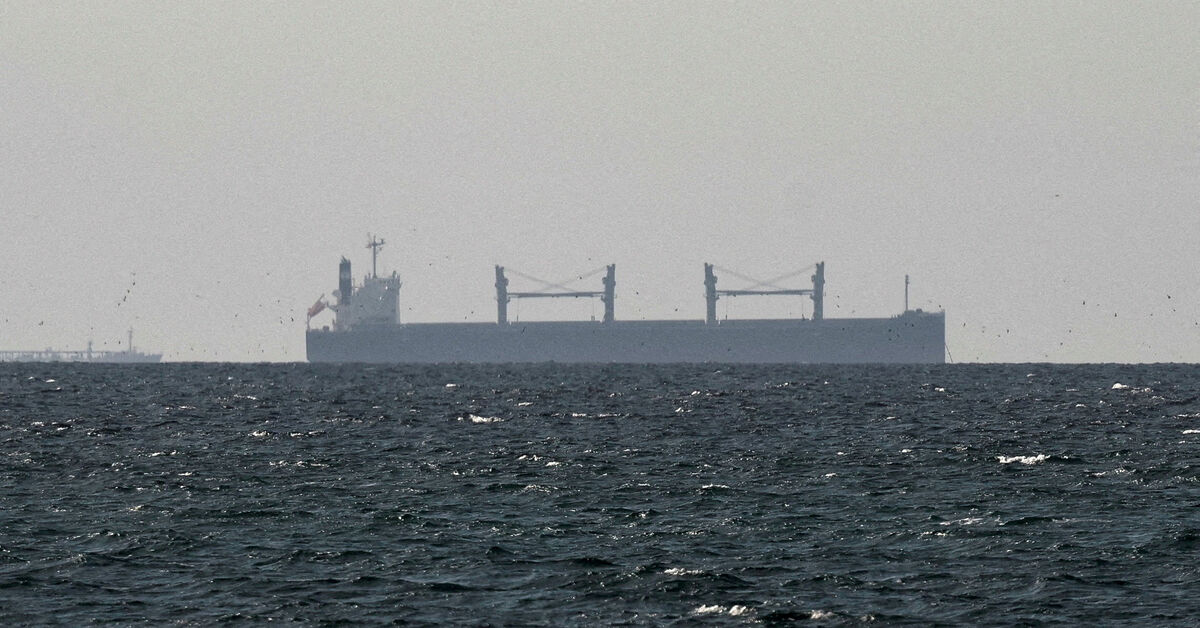
South Korea, through the presidential office, has declared its intention to secure the passage of its ships through the Hormuz Strait as soon as possible. This announcement comes in light of favorable conditions created by a two-week ceasefire agreement between the United States and Iran, according to local media reports.
The South Korean government confirmed that it will consult with both local and international shipping companies, as well as expedite communication with relevant countries to ensure the safe passage of vessels. This declaration is made at a sensitive time, as the Hormuz Strait is one of the world's most crucial maritime corridors, through which approximately 20% of the world's oil passes.
Details of the Situation
South Korea, which heavily relies on energy imports, is striving to secure its shipping routes amid escalating tensions in the region. Reports indicate that the South Korean government is coordinating efforts with the United States and Iran to ensure the safety of commercial vessels.
The Hormuz Strait is a vital point for global trade, with many commercial ships transporting oil and gas passing through it. In recent years, the region has witnessed a rise in military tensions, impacting shipping movements and vessel security.
Background & Context
Historically, the Hormuz Strait has been the scene of numerous political and military conflicts. In recent years, tensions between Iran and the United States have escalated, raising concerns about the safety of commercial ships. The recent ceasefire agreement between the two parties is seen as a positive step towards de-escalation, although it remains fragile.
It is noteworthy that South Korea heavily depends on imported oil, sourcing about 90% of its oil needs from abroad. Therefore, any threat to freedom of navigation in the Hormuz Strait could significantly impact its economy.
Impact & Consequences
This move by South Korea is significant as it reflects its commitment to protecting its economic interests. Should tensions persist, the government may need to take additional measures to safeguard its vessels, potentially escalating the situation in the region.
Moreover, South Korea's success in securing the passage of its ships could encourage other nations to take similar steps, contributing to enhanced maritime security in the area. However, any escalation in tensions could lead to negative repercussions for global trade.
Regional Significance
The Arabian Gulf region is one of the most sensitive areas in the world, where the economic and political interests of many countries intersect. Stability in the Hormuz Strait has a direct impact on Arab countries, particularly those reliant on oil exports.
Any escalation in tensions could affect global oil prices, which may negatively impact the economies of Arab nations. Therefore, South Korea's efforts to ensure the passage of its ships could be a positive step towards enhancing stability in the region.