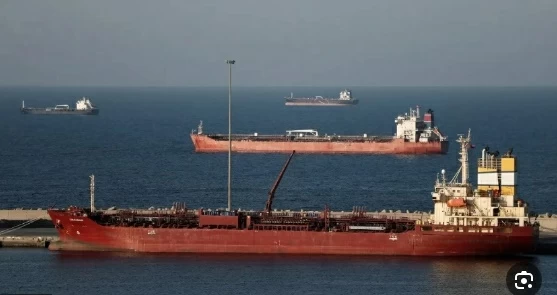
South Korea has announced its intention to send five vessels flying its flag to the port of Yanbu in Saudi Arabia as part of a plan to secure oil supplies away from the Strait of Hormuz. This announcement was made by ruling party lawmaker Ahn Do-geol, who stressed the necessity of using alternative routes to avoid risks associated with the vital strait.
In statements to reporters following a meeting with the Ministry of Energy and relevant authorities, Do-geol explained that "there is a need to send Korean-flagged ships via alternative routes to secure crude oil supplies." He confirmed that this step is part of government efforts to ensure oil supplies under the current circumstances.
Details of the Initiative
South Korea is seeking to bolster its crude oil supplies by sending five ships to Yanbu, located on the Red Sea. Do-geol also mentioned that special envoys will visit Saudi Arabia, Oman, and Algeria to discuss ways to secure additional oil supplies.
This move comes at a time when global markets are experiencing disruptions in energy supplies due to recent events in the region, where Iran has effectively closed the Strait of Hormuz, a vital passage relied upon by many countries for securing oil and natural gas supplies.
Background & Context
Since the onset of the U.S.-Israeli war on Iran on February 28, the Strait of Hormuz has witnessed increasing tensions, adversely affecting global energy supplies. South Korea heavily relies on Middle Eastern oil, importing about 70% of its oil needs from this region.
In light of these circumstances, the South Korean government has been compelled to take emergency measures, including setting a cap on fuel prices, a measure that has not been implemented since 1997. The Ministry of Energy has also urged citizens to conserve energy by reducing shower times and charging mobile phones during daylight hours.
Impact & Consequences
Estimates suggest that the closure of the Strait of Hormuz could lead to a significant increase in global oil prices, which may impact the global economy as a whole. Additionally, South Korea, which is heavily dependent on imported oil, could face new economic challenges as a result of these disruptions.
The South Korean government aims to stabilize the local market through preventive measures, reflecting the importance of securing energy supplies amid changing global conditions.
Regional Significance
The Middle East is considered a vital hub for global energy supplies, and any disruptions in this region could affect the stability of oil markets. Arab countries, particularly Saudi Arabia, are striving to enhance their role as a key oil supplier amid these challenges.
These circumstances require Arab nations to strengthen regional cooperation to ensure the stability of energy supplies, contributing to economic security in the region.
In conclusion, this step by South Korea underscores the importance of securing oil supplies amid geopolitical tensions and highlights the need for alternative strategies to ensure the continuity of supplies.