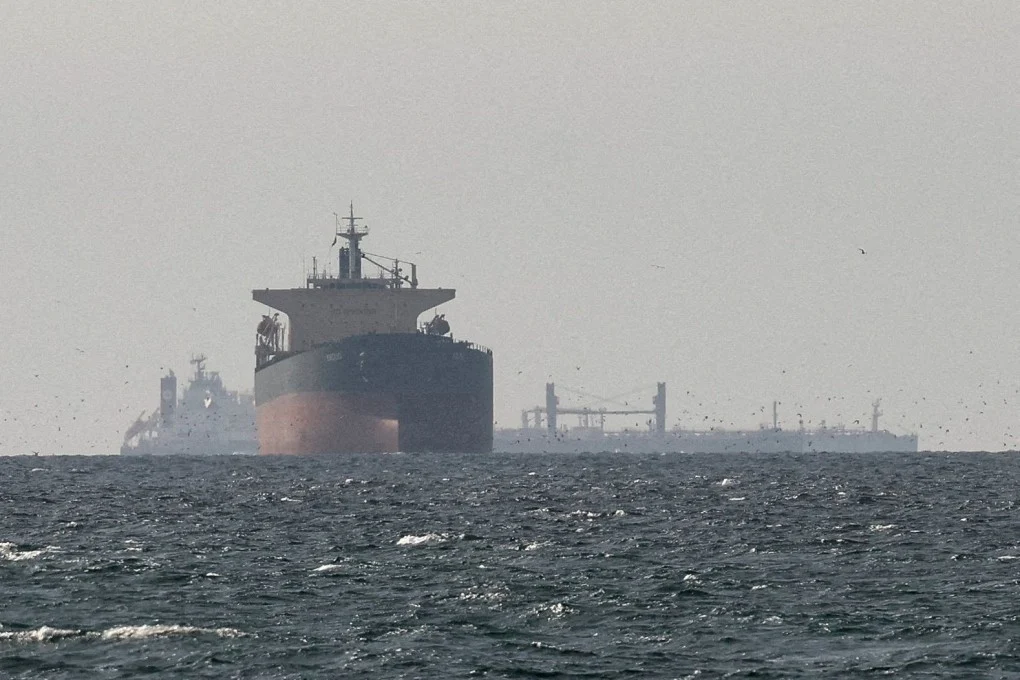
South Korea has unveiled plans to send five ships flying the Korean flag to the Saudi port of Yanbu. This initiative is part of a strategy to create alternative oil supply routes and avoid disruptions in the Hormuz Strait. The timing of this decision is critical, as oil prices have surged significantly due to the ongoing conflict between the United States and Israel on one side and Iran on the other.
The Hormuz Strait is a vital point for oil transportation, with approximately 20% of the world's oil passing through it. As tensions in the region escalate, Iran has effectively closed this strait, negatively impacting oil flows to many countries, including South Korea, which relies on oil from the Middle East for up to 70% of its total imports.
Details of the Event
A parliamentary deputy from the ruling party in South Korea stated that this step is part of a larger strategy to secure oil supplies under the current circumstances. The Korean ships will transport oil from Saudi Arabia, one of the largest oil producers in the world, to South Korea, contributing to a reduction in reliance on the Hormuz Strait.
Concerns are growing in South Korea regarding the impact of rising oil prices on the economy, as this could lead to increased inflation rates and affect economic growth. The South Korean government is taking measures to mitigate these risks, including seeking alternative energy sources.
Background & Context
Historically, the Hormuz Strait has been a crucial transit point for oil and has witnessed numerous crises in the past. In recent years, tensions in the region have escalated due to political and military conflicts, affecting the stability of the global oil market. The civil war in Syria, the conflict in Yemen, and tensions between Iran and Western countries are all factors contributing to the increased instability in the region.
South Korea is one of the largest oil importers in the world, with its economy heavily dependent on imported energy. Therefore, any disruptions in oil supplies can significantly impact the country's economic growth and financial stability.
Impact & Consequences
The South Korean initiative to transport oil via the Red Sea is a strategic move aimed at reducing dependence on traditional transport routes that pass through the Hormuz Strait. This approach may enhance South Korea's energy security and reduce risks associated with oil price fluctuations.
However, this initiative may face challenges, including high transportation costs and reliance on infrastructure at Saudi ports. Additionally, any further escalation of tensions between Iran and Western countries could affect these plans.
Regional Significance
Saudi Arabia is a key player in the global oil market and significantly contributes to price stability. Strengthening trade relations between South Korea and Saudi Arabia could open new avenues for cooperation in energy and trade.
Moreover, this move may bolster Saudi Arabia's position as a major supporter of energy security in the region, potentially leading to increased investments and economic cooperation between Arab nations and South Korea.
In conclusion, South Korea's efforts to secure oil supplies reflect the challenges faced by energy-importing countries amid geopolitical crises. These dynamics are expected to continue influencing global markets, necessitating close monitoring by all stakeholders involved.