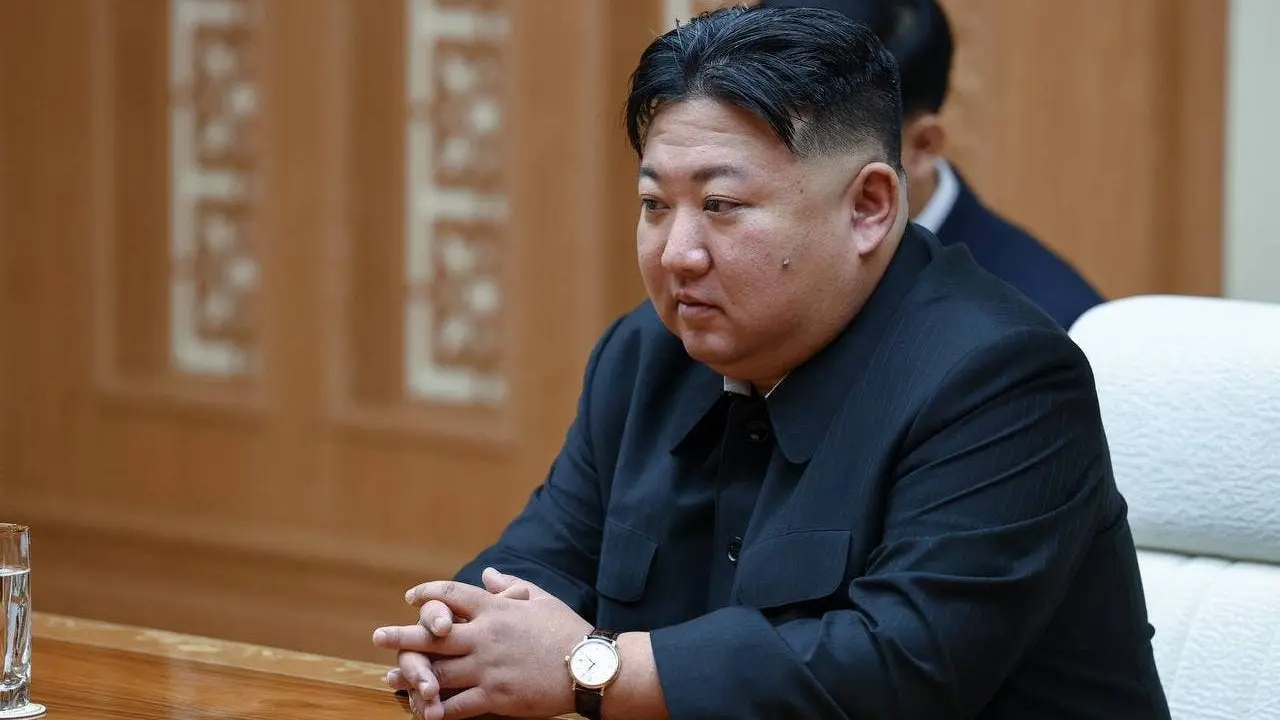
The South Korean Ministry of Foreign Affairs announced its decision to participate as a co-sponsor of the annual UN resolution on human rights in North Korea in a statement issued on March 28. This decision comes despite expectations that Seoul would avoid supporting the resolution to improve relations with Pyongyang, which it recently described as the "most hostile entity" towards it.
Pressure on North Korea is mounting due to widespread human rights violations, including the management of prison camps and restrictions on freedom of expression and access to information. Reports have confirmed that the regime in the North faces ongoing criticism from the United Nations and international human rights organizations.
Details of the Announcement
As South Korea seeks to improve relations with its northern neighbor, the decision to support the human rights resolution appears to have come after consultations among relevant government agencies. The statement indicated that the aim of this decision is to collaborate with the international community to achieve tangible improvements in human rights for the North Korean people.
This decision comes amid escalating tensions between the two Koreas, with North Korea warning that it would respond "mercilessly" to any provocations from the South. Seoul made this decision just days after remarks from South Korea's Minister of Unification, Jeong Dong-yeong, who suggested that the country should avoid supporting the resolution, as Pyongyang considers it a hostile policy.
Historical Context
Historically, North Korea has been under international scrutiny due to human rights violations. The United Nations has issued reports indicating that the human rights situation in the country has not improved over the past decade, and in many cases, it has deteriorated. The country has suffered from international sanctions due to its nuclear program, which has increased its international isolation.
Between 2019 and 2022, South Korea refrained from supporting the human rights resolution in an attempt to improve relations with North Korea during the presidency of Moon Jae-in. However, Seoul resumed its support for the resolution in 2023 under the administration of the right-wing President Yoon Suk-yeol, who has taken a tougher stance towards Pyongyang.
Potential Impact on Relations
This decision could have significant implications for relations between the two Koreas, as it may lead to heightened tensions in the region. North Korea views any support for UN resolutions on human rights as an interference in its internal affairs, which could hinder any future attempts at dialogue.
Moreover, South Korea's support for the resolution could bolster its position in the international community as a supporter of human rights, potentially opening the door for further cooperation with Western nations. However, questions remain about how this will affect bilateral relations with North Korea, which may respond with escalatory measures.
Relevance to the Arab Region
Although the situation in North Korea may seem distant from Arab issues, human rights violations in any part of the world raise concerns for the international community. Additionally, the relationships between countries can be significantly affected by the extent to which human rights are respected, reflecting how Arab nations handle human rights issues within their own borders.
Ultimately, the situation in North Korea serves as an example of the challenges facing human rights globally and underscores the importance of international cooperation in addressing these issues. South Korea's support for the resolution may be a step towards enhancing human rights, but challenges remain.