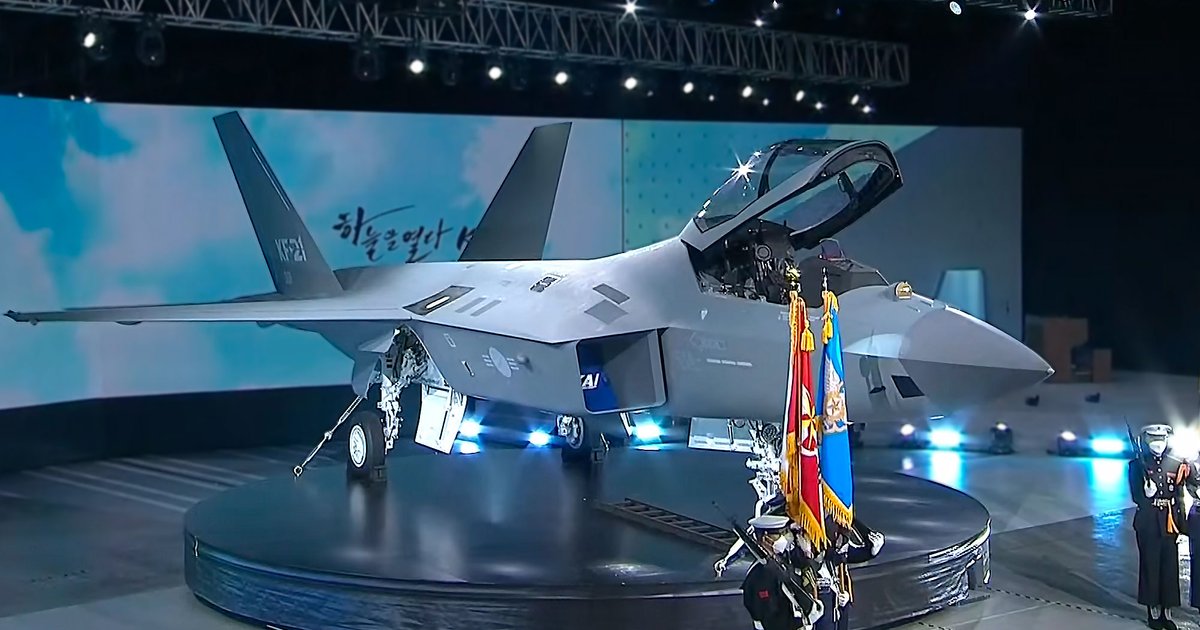
South Korea and Indonesia have announced a preliminary agreement to transfer a KF-21 fighter model to Jakarta as part of a nearly completed joint development project. This was stated by South Korean parliament member Kang Dae-sik, who noted that the agreement was reached during talks held last February.
The agreement includes the transfer of a single-seat KF-21 model, which has been used for verification tests, such as aerial refueling operations. The deal is valued at approximately 600 billion South Korean won, equivalent to 6.8 trillion Indonesian rupiah, and includes additional development costs.
Details of the Agreement
A timeline for the delivery of the model and related technical documents is expected to be established after Indonesia pays its share of 600 billion won in the fighter jet project. Initially, Indonesia agreed to cover around 20% of the total project costs but later suggested reducing this percentage in exchange for a lower level of technology transfer.
In June of last year, a final agreement was signed between the two countries to reduce Indonesia's contribution to the current amount. Additionally, South Korea is negotiating with Jakarta to sign an export agreement that includes 16 units of KF-21 aircraft, marking the first export deal for a domestically manufactured fighter jet.
Background & Context
South Korea launched the KF-21 development project in 2015, aiming to create a supersonic fighter jet. Indonesia joined the project as a partner, agreeing to a cost-sharing model in exchange for technology transfer and prototypes. This collaboration reflects the strategic direction of both countries towards enhancing their military capabilities and developing their defense industries.
Over the years, the project has faced several challenges, including delays in the timeline and rising costs. However, the progress made in developing the aircraft reflects both nations' commitment to strengthening their defense partnership.
Impact & Consequences
The transfer of the KF-21 model to Indonesia represents a significant step in enhancing defense cooperation between the two countries. This collaboration may encourage other nations in the region to consider similar partnerships in defense and technology. Furthermore, this move could enhance Indonesia's ability to develop its military industry, contributing to regional stability.
Moreover, the success of the KF-21 project could open new doors for South Korea in the global fighter jet market, bolstering its status as a weapons manufacturing nation. This could positively impact the South Korean economy and increase job opportunities in the defense sector.
Regional Significance
As Arab countries seek to enhance their defense capabilities, the experience of South Korea and Indonesia could serve as a model. Cooperation in military technology and aircraft development can have a positive impact on regional security in the Middle East.
These developments may also prompt some Arab nations to consider partnerships with countries like South Korea to develop their military capabilities, highlighting the importance of international cooperation in this field.