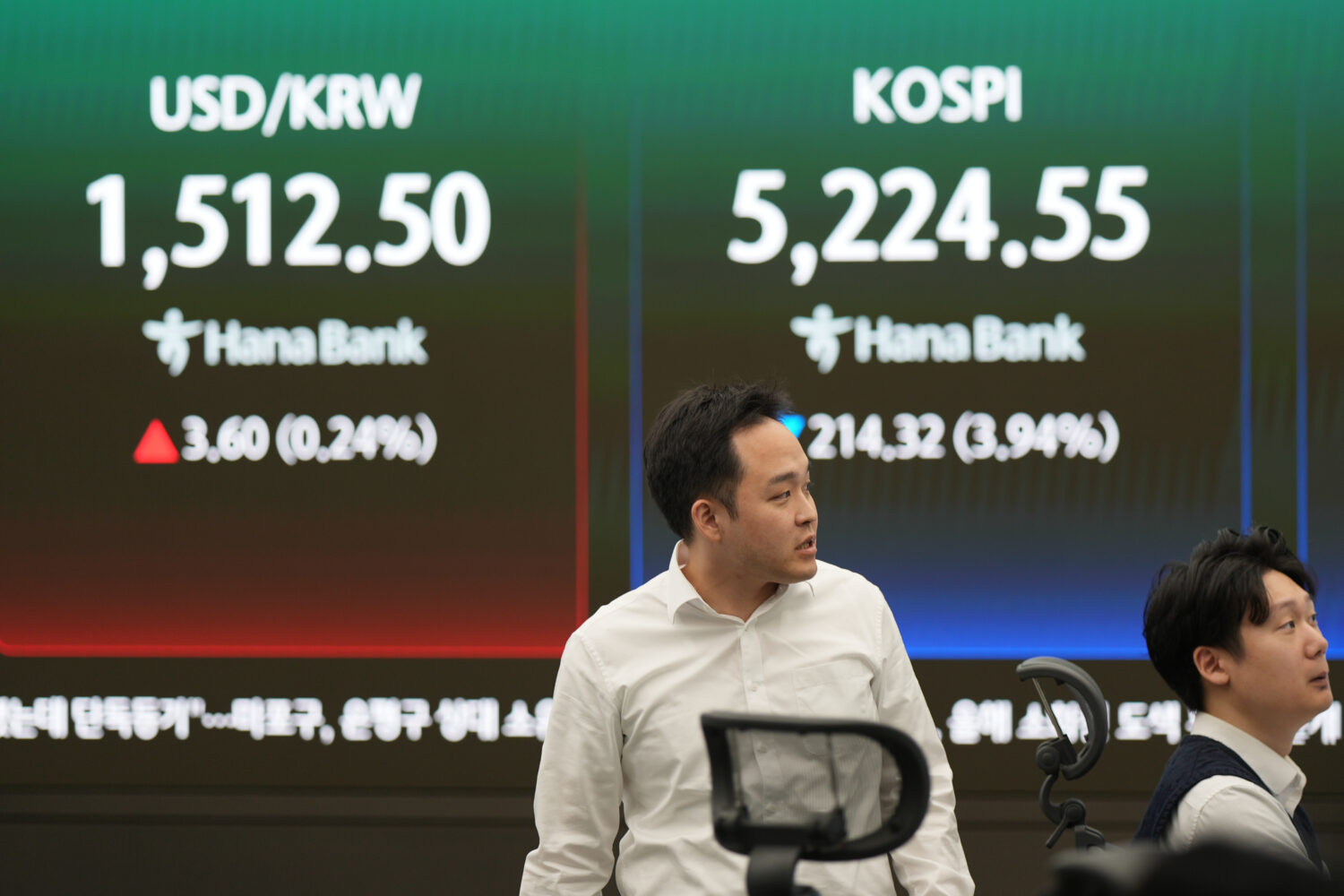
South Korean stocks have experienced a sharp decline, as increasing tensions in the Middle East have led to a rise in oil prices, heightening inflation concerns and adversely affecting risk appetite in the technology market. This downturn comes at a critical time for the South Korean economy, which heavily relies on technological sectors.
The stocks in the South Korean market have notably decreased, with the KOSPI index falling by more than 2%, placing it on the brink of entering a bear market, which indicates a sustained decline in prices. This drop occurs amid record-high oil prices, further increasing inflationary pressures on the economy.
Event Details
Amid escalating tensions in the Middle East, particularly following recent events in Iran, oil prices have surged significantly, exacerbating concerns about inflation in global markets. South Korea is one of the largest oil importers, and thus any increase in prices directly impacts the local economy.
Fears are mounting that rising oil prices could lead to increased production costs, negatively affecting corporate profits, especially in the technology sector, which is the backbone of the Korean economy. Analysts have indicated that this decline may signal the beginning of a phase of instability in the Korean market.
Background & Context
Historically, South Korean markets have experienced significant fluctuations during times of geopolitical crises. For instance, in 2018, the markets were heavily impacted by tensions between the Koreas, leading to a substantial drop in investments. Today, it appears that tensions in the Middle East are recreating a similar scenario, with investors negatively affected by the increasing risks.
Moreover, rising oil prices are not a new phenomenon; the world has witnessed several periods of sharp price increases, but their impact on the South Korean economy could be more severe due to its heavy reliance on imported energy. This dependency makes the country vulnerable to global fluctuations.
Impact & Consequences
The negative effects of this decline in the South Korean market could extend to several areas. First, the drop in stocks may reduce investor confidence, affecting foreign direct investments. Second, major companies like Samsung and LG, which rely on market stability to achieve profits, may be significantly impacted.
Furthermore, rising oil prices could lead to increased living costs for citizens, putting additional pressure on the government to provide economic support. Under these circumstances, the government may be compelled to take urgent measures to maintain economic stability.
Regional Significance
The Arab region is one of the largest oil producers in the world, and therefore, rising prices could have positive effects on the economies of some Arab countries. However, tensions in the Middle East could lead to instability, negatively affecting global markets, including Arab markets.
In conclusion, the current situation requires close monitoring by investors and decision-makers in both South Korea and Arab countries, as any new developments could significantly impact the global economy.