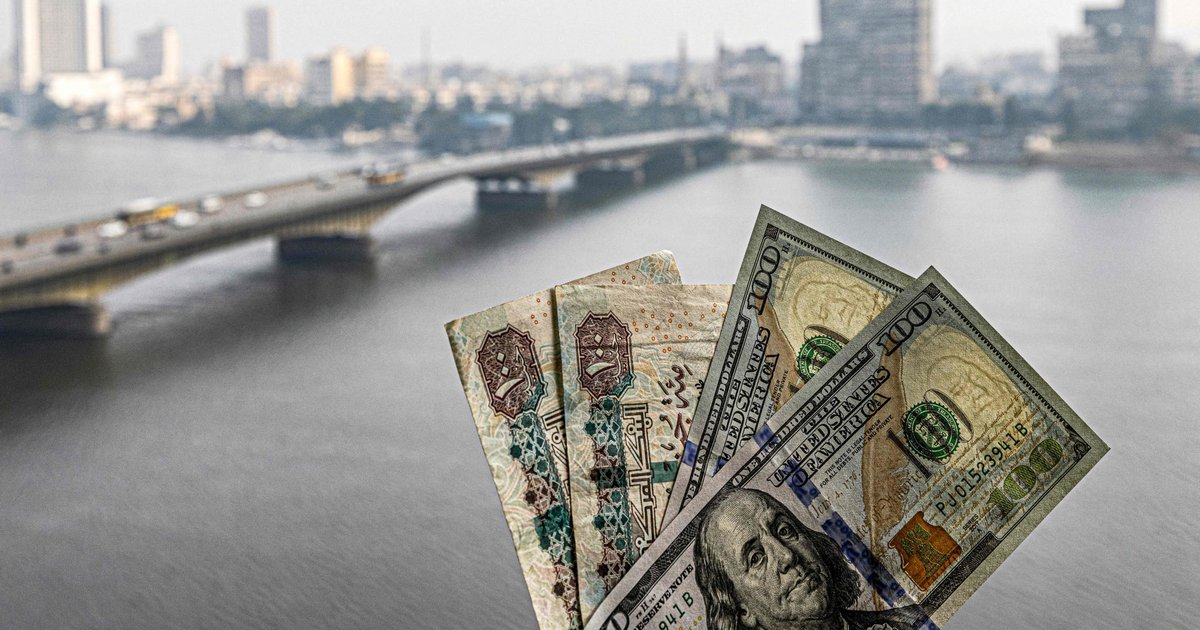
The South Korean local currency, the won, has fallen against the US dollar to its lowest level in 17 years during trading on Monday, reflecting the exacerbation of geopolitical crises and their direct impact on the local economy. This decline comes amid growing concern among investors regarding the current situation, especially the tensions related to the Iran crisis.
The exchange rate of the dollar was recorded at record levels, further cementing the dominance of the US dollar, highlighting an economic crisis of confidence being experienced in South Korea. The local market has been affected by an increased demand for the dollar, negatively impacting the Korean won and heightening investor fears.
Details of the Event
The exchange rate of the won against the dollar reached 1,485.35 won, the lowest level since 2006. This downturn coincides with the instability of oil prices due to regional conflicts, which raises inflation fears and weakens the purchasing power of citizens.
These steps form part of a series of economic challenges that South Korea has faced in recent years, with the COVID-19 crisis also impacting foreign investments and the competitiveness of local production.
Background & Context
Local currencies have long suffered from severe fluctuations due to international crises. The impact of political and economic crises abroad serves as a catalyst for market volatility. The steady growth of the United States in recent years has likely increased pressure on developing currencies, including the won.
The expansionary monetary policies adopted by central banks globally have led to a greater inclination towards safer currencies such as the US dollar, negatively affecting the prospects for the South Korean currency. This coincides with rising prices for essential goods, exacerbating inflation concerns in South Korea.
Impact & Consequences
The decline of the South Korean currency raises serious concerns about a potential economic crisis that could affect growth and employment in the country. This situation underscores the importance of swift action by the government to stabilize the economic situation and stimulate market confidence.
Moreover, local suppliers are seeking to cope with these crises away from external pressures. The strategy may rely on increasing local production and reducing reliance on imports to improve financial conditions.
Regional Significance
At the level of the Arab region, the decline of the South Korean currency may have repercussions for Arab economies linked by trade relations with South Korea. It is known that Arab countries import many goods from the Korean market, which could raise buying costs due to the impact on the exchange rate of the won.
This decline may lead to a change in import and export trends between Arab countries and South Korea, necessitating a reassessment of purchasing and pricing policies to ensure that trade balance is not affected.
In conclusion, the geopolitical crises' implications on the global economy serve as a wake-up call for investors regarding the sharp market fluctuations. The decline of the South Korean currency stands as a warning for countries reliant on trade with South Korea, urging a need for protective economic measures.