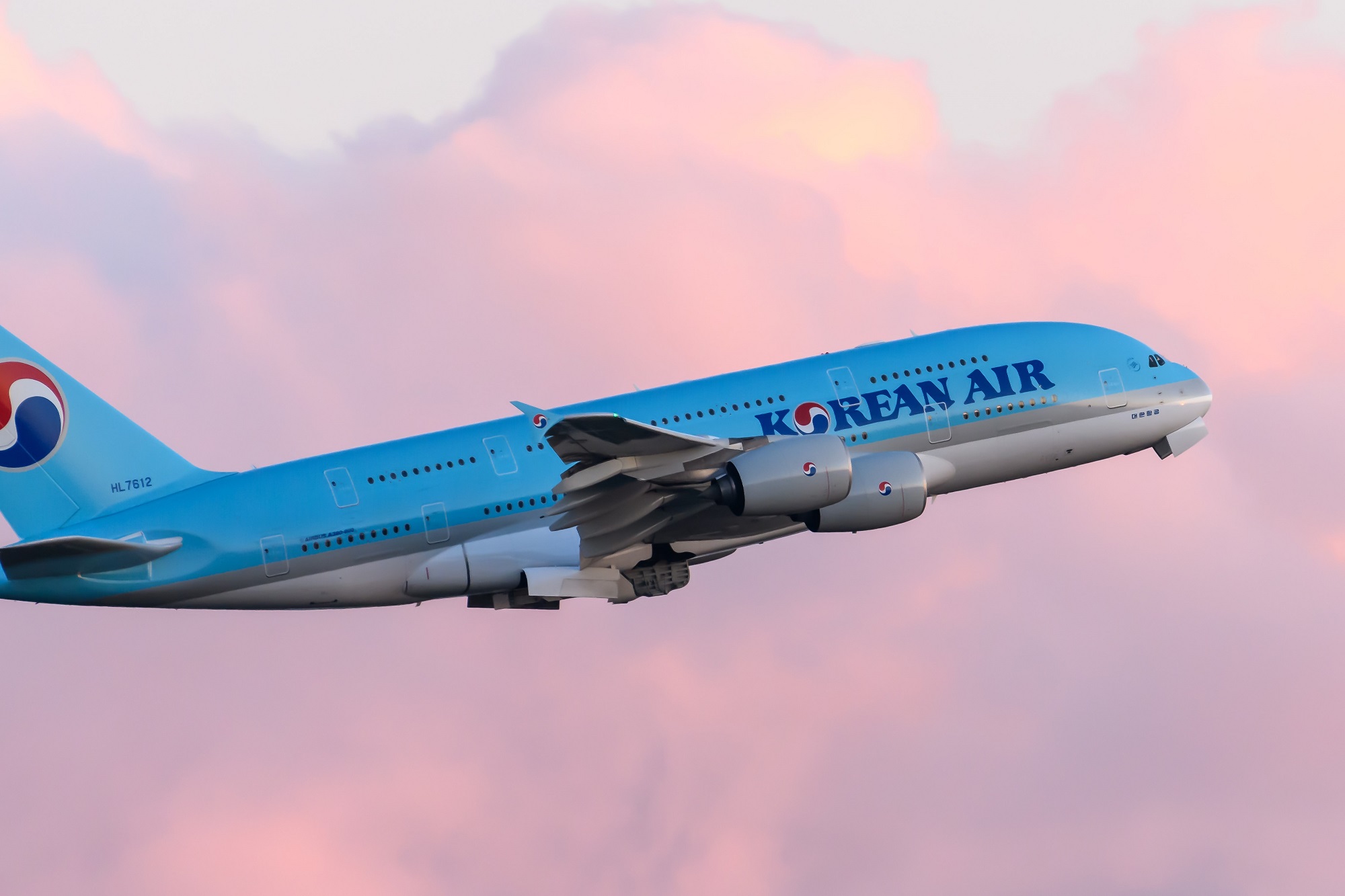
Korean Air announced it will enter emergency management starting April due to rising oil prices caused by the war in the Middle East. The company confirmed in an internal memo that it expects significant impacts on its annual goals if high prices persist. This decision comes at a sensitive time, as the aviation sector suffers multiple repercussions from the ongoing rise in fuel costs.
In a memo reviewed by Reuters, Korean Air clarified that it will implement a gradual response plan based on oil price levels. It also confirmed that it will work on enhancing cost efficiency across the company to offset the increase in fuel costs.
Details of the Situation
Reports indicate that oil prices have risen significantly in recent months, directly affecting the operating costs of airlines. Korean Air is one of the largest airlines in Asia and has been particularly impacted due to its heavy reliance on imported fuel. Under the current circumstances, the company faces major challenges in achieving its financial targets.
The emergency plan announced by the company includes multiple measures, such as reducing the number of flights, increasing ticket prices, and improving fuel consumption efficiency. The company will also review its operational strategies to ensure sustainability under these challenging conditions.
Background & Context
Historically, oil prices have experienced significant fluctuations due to political crises and wars in the Middle East. The current war in the region, which involves multiple conflicts, has led to increased demand for oil and unprecedented price hikes. This situation affects all sectors, including air transport, which heavily relies on fuel.
In recent years, airlines have faced numerous challenges, starting from the COVID-19 pandemic that caused a sharp decline in demand, to the current rise in oil prices. These combined factors make it difficult for companies to achieve their targeted profits.
Impact & Consequences
This move by Korean Air is expected to affect the aviation sector as a whole, as other airlines in the region may follow suit. Rising oil prices could lead to increased operating costs, which may reflect on ticket prices and reduce travel demand. Additionally, these conditions may lead to a reduction in the number of flights, impacting travel and tourism.
Moreover, the increase in oil prices could have broader economic effects, potentially leading to inflation in the prices of other goods and services. This could negatively impact the global economy, especially in countries that heavily depend on oil.
Regional Significance
For Arab countries, rising oil prices may have a dual impact. On one hand, some oil-producing countries may benefit from increased revenues, while on the other hand, importing countries may suffer from higher energy costs. This situation could affect economic growth and financial stability in the region.
In conclusion, the current situation requires companies and governments to take effective measures to address these challenges. There must be clear strategies to adapt to the changing market conditions to ensure sustainable growth and prosperity in the future.