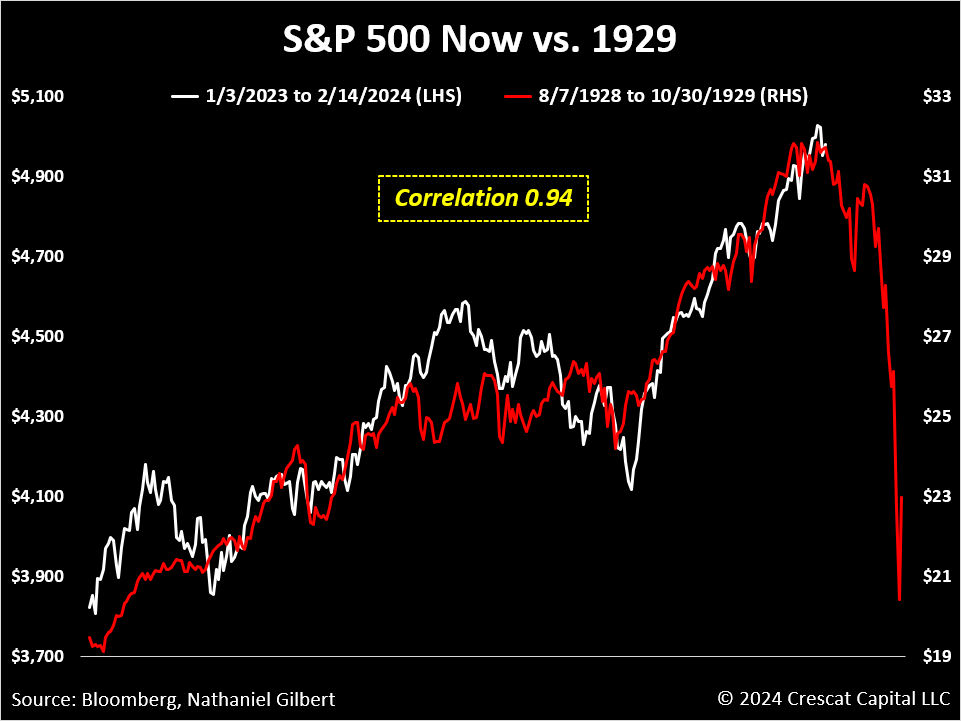
The U.S. financial markets are under increasing pressure as the S&P 500 index approaches correction territory, following significant declines in more than half of the industrial sectors within the index. This downturn occurs at a critical time as investors await the broader economic implications of this decline.
In March, the S&P 500 experienced sharp declines, raising concerns among investors about the sustainability of the economic recovery seen in recent years. Reports indicate that many sectors, including technology and healthcare, have already entered correction territory, reflecting a state of uncertainty in the markets.
Event Details
The S&P 500 index is one of the key indicators reflecting the performance of U.S. stocks, comprising 500 of the largest publicly traded companies. With the index declining, investor anxiety is growing regarding the potential continuation of this trend. Data shows that over 50% of the industrial sectors in the index have experienced declines exceeding 10%, which is known as the correction zone.
This downturn coincides with significant volatility in global markets, as the U.S. economy faces multiple challenges, including rising inflation and increasing interest rates. These factors cast a shadow over investor confidence, heightening the likelihood of worsening conditions if the decline persists.
Background & Context
Over the past several years, U.S. financial markets have seen a notable recovery following the global financial crisis of 2008. However, current economic challenges, including the impacts of the COVID-19 pandemic, have revealed the fragility of this recovery. In recent years, there has been a strong focus on technological innovation and growth in new sectors, but as economic pressures mount, investors are beginning to reassess their investments.
Historically, correction periods are a natural part of the market cycle, but they can have negative effects on overall confidence in the economy. In the case of the S&P 500, the entry of many sectors into correction territory may signal the beginning of a period of instability.
Impact & Consequences
These developments could lead to widespread effects on the U.S. economy, as declining market confidence may result in reduced investments and slower economic growth. Additionally, a downturn in the markets could impact corporate expansion and hiring plans, increasing pressures on the labor market.
Furthermore, these developments may affect global markets, as the U.S. economy is one of the largest in the world. Any decline in U.S. economic performance could reverberate through other markets, exacerbating uncertainty in the global economy.
Regional Significance
The financial markets in the Arab region are closely linked to global markets, and any downturn in U.S. markets could impact Arab investments. Under current conditions, Arab investors may seek to reassess their investments in U.S. markets, potentially leading to a decline in investment flows.
Moreover, a decline in U.S. markets could affect oil and commodity prices, which may reflect on the economies of Arab countries that heavily rely on oil exports. In this context, Arab nations must be prepared to adapt to these changes to ensure the stability of their economies.
As the S&P 500 approaches correction territory, investors face significant challenges amid volatile economic conditions. The current situation requires close monitoring of economic developments, as any changes could significantly impact both global and local markets.