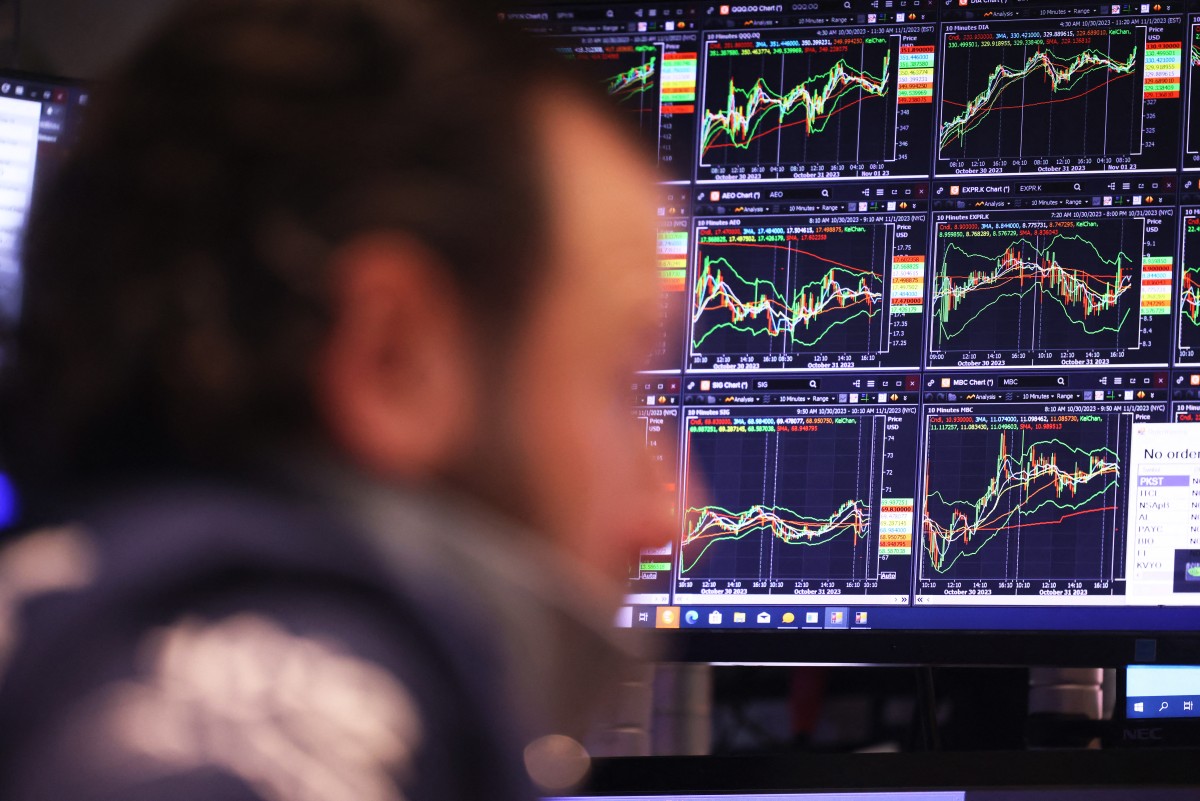
The S&P 500 index closed at the end of yesterday's trading session below the 200-day moving average, a key technical indicator relied upon by investors to assess trends in financial markets. This decline reflects a state of anxiety and uncertainty in the markets, particularly given the current economic conditions.
The markets were affected by several factors, including mixed economic data released recently, which showed a disparity in the performance of different sectors. Additionally, geopolitical tensions, especially in the Middle East and Europe, contributed to increased pressure on investors.
Details of the Event
The S&P 500 closed at 4,200 points, marking its lowest level in several months. This decline is seen as a sign of waning confidence in the ability of the U.S. economy to recover from the COVID-19 pandemic. The markets also witnessed a drop in the Dow Jones Industrial Average, which closed at 33,800 points, and the Nasdaq, which closed at 13,000 points.
These developments come at a sensitive time, as investors await the outcomes of meetings from the U.S. Federal Reserve, which are expected to significantly impact monetary policies and interest rates in the near future.
Background & Context
Historically, the 200-day moving average is an important indicator for determining long-term trends in financial markets. When the index closes below this level, it is considered a negative signal that could lead to further declines. In recent years, markets have experienced significant volatility due to economic and political crises, making investors more cautious.
Recently, there have been concerns about inflation and rising interest rates, which have affected investor decisions. Furthermore, geopolitical tensions, such as the conflict in Ukraine and tensions in the Middle East, have heightened uncertainty in the markets.
Impact & Consequences
This decline in the S&P 500 is expected to affect investor sentiment in global markets. It may lead to further declines in European and Asian markets as investors react to economic and political news from the United States.
Moreover, this drop could influence the Federal Reserve's decisions regarding interest rate hikes, as it may hesitate to take bold steps amid declining confidence in the markets. This could lead to additional pressures on the U.S. economy and increase concerns about a potential recession.
Regional Significance
The financial markets in the Arab region are closely linked to U.S. markets. Any decline in U.S. markets could negatively impact financial markets in Arab countries, as investors react to global changes. This may lead to fluctuations in oil prices, affecting the economies of oil-producing countries in the region.
Additionally, pressures may increase on Arab governments amid the need to boost economic growth in challenging global conditions. This requires effective strategies to address economic and financial challenges.
In conclusion, the decline of the S&P 500 below the 200-day moving average is a sign of uncertainty in the markets, necessitating careful monitoring of economic and political developments by investors and analysts. In light of these circumstances, the most pressing question remains: how will these developments impact Arab markets and national economies?